

A chapter from 1962 Chinese war still buried in mystery
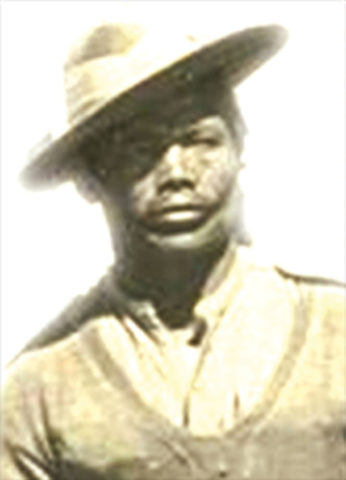
Thapa born in Nepal on 27.12.1928, was enrolled in to Indian Army on 01.01.57 (No 13710603W), served with J&K Special Force during 27.12. 45 to 31.12.56, underwent training on MR-I, ACE-I &TTT-1, promoted as havildar on 01.05.62, before being deployed in Tama Chung area and died on 18.11.62. His wife is Dilli (82), daughters – Dhanisara (68), Syani (65) and Nurma (62). Neither is qualification nor his address was available in official record.
 By Pradeep Kumar
ITANAGAR, June 30: After visiting Taksing in helicopter with senior leader Tanga Byaling, I broke the news about Sino-India war hero Shere Thapa through Asia News International on 19th October, 2012 for the world to know about the unknown and forgotten great hero who had sacrificed his life for the cause of his motherland.
But who was the great solider? He had killed 160 jawans of People’s Liberation Army hiding in Tama Chung Chung ridge in Middle sector of Sino-India border under Upper Subansiri district on 18th October 1962. The PLA jawans after killing him had buried his mortal remains with honour. His mortal remains were brought by Lemiking villagers, his last rites performed and a memorial was built by them with great respect.
I managed to get his picture through a senior Army from 2 Jammu & Kashmir Rifles, about renovation of the memorial and the renovated memorial was inaugurated by Army’s 56 Infantry Division GoC in 2016 had placed a wreath on the memorial in recognition his bravely. Though All Arunachal Pradesh Gorkha Youth Welfare Association (AAPGYWA) pitched in support but still the biography of Thapa remained in mystry.
I was surprised on Sunday in receiving what I was looking for many years from AAPGYWA chairman Sonar Chanbir, presently working as PA of Deputy Chief Minister Chowna Mein.
The Army records says: Havildar Shere Thapa was part of protective patrol of one platoon strength permanently located near Rio Bridge in Upper Subhansiri Valley of Arunachal Pradesh to keep a strict watch on Chinese movement and delay their advance for maximum period. On 18 Nov 1962 at 1500hrs, about 200 Chinese troops came in contact with the party. Havildar Thapa was manning a LMG from a vantage point covering the move of the Chinese. In the fire fight that ensued, LMG No 2, who was seriously injured in the fire fight when Hav Thapa single handedly took charge of the LMG, occupied a well camouflaged position and faced waves of Chinese assaults launched one after the other.
He kept on firing with his LMG till he ran out of ammunition. This gallant action of Hav Thapa delayed the Chinese advance for nearly 72 hrs. In this encounter 70 Chinese including a senior officer were believed to be killed. The Chinese radio next day announced a 155 casualty in this encounter. Brave action of Thapa won the hearts of the locals of the area who still hold him in very high esteem. Even the Chinese recognized his bravery. They buried his dead body on the spot and kept wooden board near his body with an inscription in Chinese Script appreciating the fighting of Hav Thapa.
The PLA sneaked through the Tama Chung Chung Ridge. Thapa had positioned himself on a vertical slope-invincible high mountain ridge on one side, steep slope down to the Ngo stream, the source of Subansiri River, on the other side. He had located the most strategic place, either to stop or kill the advancing Chinese soldiers. A brave Thapa of Indian Army’s 2 Jammu and Kashmir Rifles, hiding in a very advantageous position, fire non-stop as his lone soldier-mate continued changing the carbines. His LMG boomed relentlessly, like a roaring tiger.
Supply line was cut off following retreat order which never reached the duo. Left with no food and insufficient ammunition, they feared any eventually and decided to fight till death. One after another unsuspecting Chinese soldiers were killed and fell into the Ngo River without anyone to count. Thapa did not notice anymore Chinese after emptying all magazines with the fired brash khokas lying scattered. He confidently came out of his bunker for a recce. Death was waiting for him. He peeped towards the heap of corpses with great satisfaction. A wounded, but an alive Chinese soldier, lying on the heap along with his colleagues fired, killing him instantly.
The corpses of the Chinese soldiers were piled up so much that the river failed to carry them. This is the folklore. The great soldier is highly revered in the area of his gallantry act. While correct information on 1962 Indo-China War is still shrouded in mystery, but conclusive evidences are proof of the pitch battle, beyond Tawang and Walong (Tibet-Burma-India tri-junction) sectors.
This record of 2 J-K Rifles, originally raised by intrepid Raja Gulab Singh of Jammu in 1821, shocked me for its uncanny similarities with the report filed by me – Oh ungrateful India, salute 50-yr old Sino-India war hero Shere Thapa, No less-martyr than Jaswant Singh Rawat! on 18.10.12, after interviewing Byaling and his wife Yating Byaling. Yating was told the entire incident by her father Chader Mangha, resident of Gosing Taying village under Taksing circle, who along with many villagers, had carried supplies, arms and ammunition for Thapa’s Army section and witnessed his bravery. Mangha, who died in 1994, was given a commendation certificate by the GoI in recognition of his service to the nation and promoted to the rank of political assistant.
Even, Thapa’s gallantry was vouched on 24.06.19 by Nacho MLA-cum-Tourism Minister Nakap Nalo as he hails from Orak village under Lemiking circle, where Thapa’s memorial stands tall today. Alas ….Thapa’s monumental patriotism went unrecognized.


 20
