

*AIIMS report should wring alarm bell in Sikkim
Beyond the Horizon
By Pradeep Kumar
Drug addiction, whether alcoholism or consumption of other psychotheraptic substances, is a common phenomenon among the younger gnerations across India. The Himalayan states are no exception.
Arunachal Pradesh, located close to Golden Triangle, is know for drug abuses, particularly opium consumption in nine districts, but it has been a new trend in Sikkim which spreaded like wildfire along with the socio-economic growth of the people. Drug abuse among the younger generation with a rising trend has become a genuine social problem reflecting social crisis.
“Rampant inflow of drugs in various forms from outside, particularly from Bhutan, Nepal and Bangladesh through Siliguri, makes drugs abundantly available in Sikkim, even in rural areas which was behind the drug menace”, Gangtok-based D. S. College principal Dr. P. K. Mishra, noted in his study “Drug Addiction in Sikkim: A Sociological Study, India”, as published in RA-International Journal of Management & Social Sciences.
“Drug abuse impacts have been making the society volatile despite enactment of Sikkim Anti Drug Act, 2006 to control, regulate and prevent the abuse of drugs and controlled substances with abuse potential being misused by addicts and traffickers…,” it added.
Voice, a voluntary organization of Sikkim, is committed to fight against drug menace said its chief coordinator- said Sanjay Rai. This justifies the adage, “There is a ray of hope behind every dark cloud.”
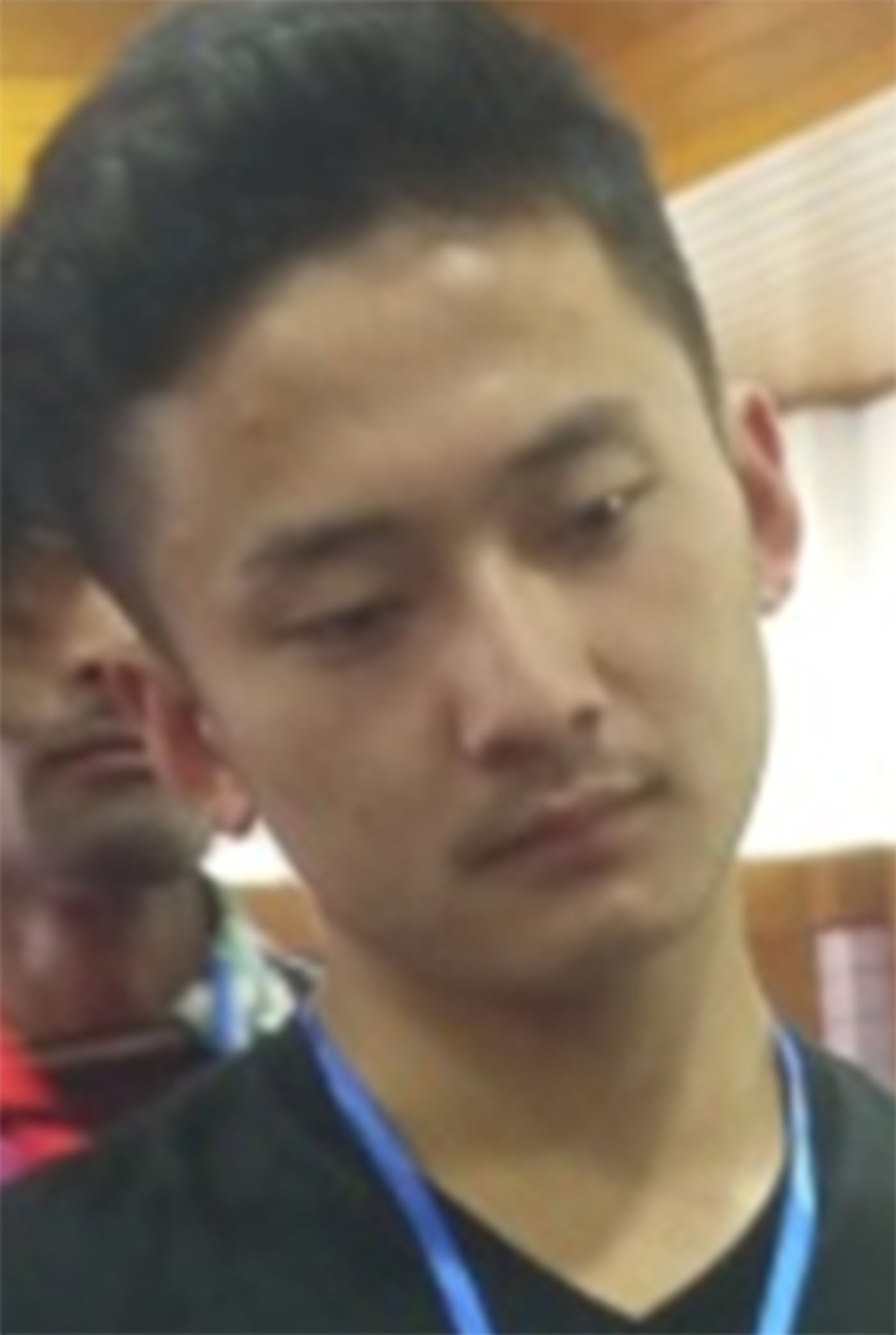
“Most of our young members, 60% of whom are girls, during a recent training at Gyalsing in South Sikkim, have taken an oath to conscientiously work to persuade the younger generation to refrain from drug abuse. This would be our new initiative besides our various socio-welfare activities,” he said with conviction.
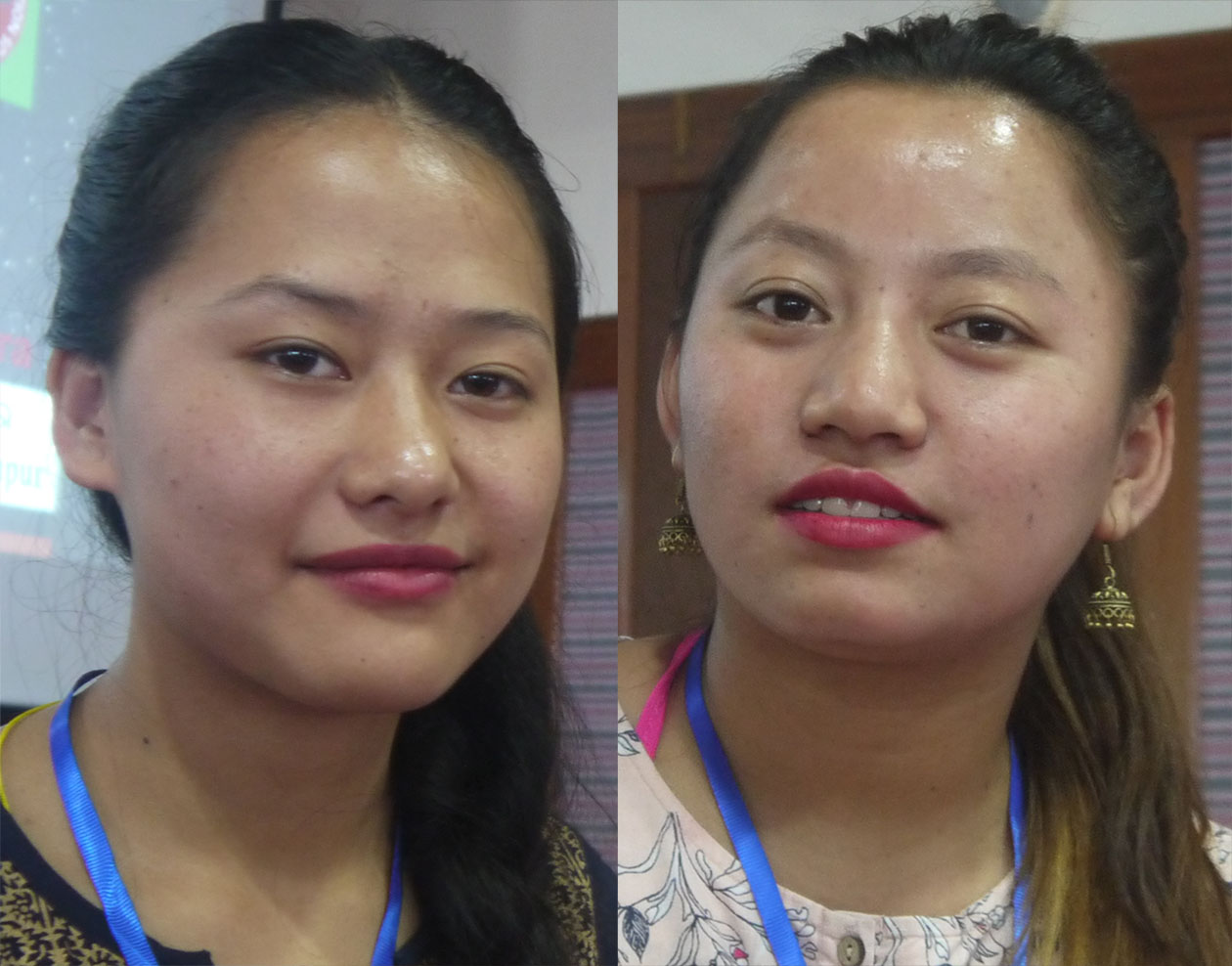
“All those addicted are our brothers and sisters and if we don’t take any preventive steps who will take? – wondered Voice members Junita Limbo and Neesha Limbo, both pursing diploma in elementary education. They assured to do whatever possible to protect Sikkim least the state’s future would be bleak.
Big picture of drug menace: The International Day against Drug Abuse and Illicit Trafficking is observed annually on June 26 to make the global society free of drug abuse. ‘Health for Justice, Justice for Health’, which was theme for 2019, stresses that justice and health are two sides of the same coin for addressing drugs problems.
Interestingly in February 2019, AIIMS submitted its report “Magnitude of substance use in India” to Union Ministry of Social Justice and Empowerment. Its key points were:
- Alcohol is the most abused substance in India.
- Around 5 crore Indians reported to have used cannabis and opioids when the survey was conducted in 2018.
- It has been estimated that there are about 8.5 lakh people who inject drugs.
- Of the total cases estimated, more than half of them are contributed by Punjab, Assam, Delhi, Haryana, Manipur, Mizoram, Sikkim and Uttar Pradesh.
- About 60 lakh people are estimated to need help for their opioid use problems.
More and more children are taking to alcohol consumption and the highest percentage of children who are addicted to alcohol are in Punjab followed by West Bengal and Uttar Pradesh.
Reasons for drug abuse:
- Stress Buster: Sometimes students tend to get into drugs if they are in a technical institute (medical or engineering), because of their studies or work pressure.Such students are generally alone and away from homes, therefore to cope up with all stress around them, they end up using drugs. Also, students coming from other states find it difficult to cope up in metropolitan cities like Delhi. It is generally seen that an unemployed youth, out of frustration, ends up in taking drugs. Peer pressure and other psychological factors can cause teens to engage in risky behaviours, leading to substance abuse.
Youth can get attracted to the glamour attached to drug consumption. Youth sometimes out of fun or for experiment ends up in taking drugs. When children see their elder ones consuming drugs, they also try to do the same. Normal food products like noodles, pan masala and gutka laced with drugs are sold to school and college students.
- Suffering and deprivation:People in the lower income group who cannot have an adequate amount of food, take drugs to sleep or relax. Drug subculture is prevalent in India.
- Flaws in the legal system: The cause behind drug menace is the drug cartels, crime syndicates and ultimately ISIis the biggest supplier of drugs. Rave parties have been reported in the country where intake of narcotic substances is observed. These parties are orchestrated by the drug syndicates who have their own vested interests. Social media plays an important role in organising these parties.The police have not been able to control such parties.
- Smuggling of drugs through Punjab, Assam and Uttar Pradesh which share border with neighbouring countries. The African as well as the Southasian route being misusedto bring drugs into the country.
Challenges to curb drug menace: Legally available drugs such as tobacco are a huge problem. Tobacco is usually seen as a gateway drug which children take just to experiment with and gradually they progress to alcohol and then cannabis.
Currently, the country has more young population with disposable income where willingness to take risk is high. The availability of drugs in India makes it a lethal mix. Lack of availability of rehabilitation centres in the country is a big issue. Moreover, NGOs operating de-addiction centres have failed to provide required treatment and therapy.
Way forward: A voluntary process is well within one’s mental and spiritual powers to quit addiction. There is a need to admit that one has a problem of drug addiction and then s/he needs to look at the lives of such people who had been, once, through the worst period of addiction and have now come out of that. At the same time, help from physicians, psychologists, as well as strong support from family, is required.


 20
