
Beyond the Horizon
By Pradeep Kumar
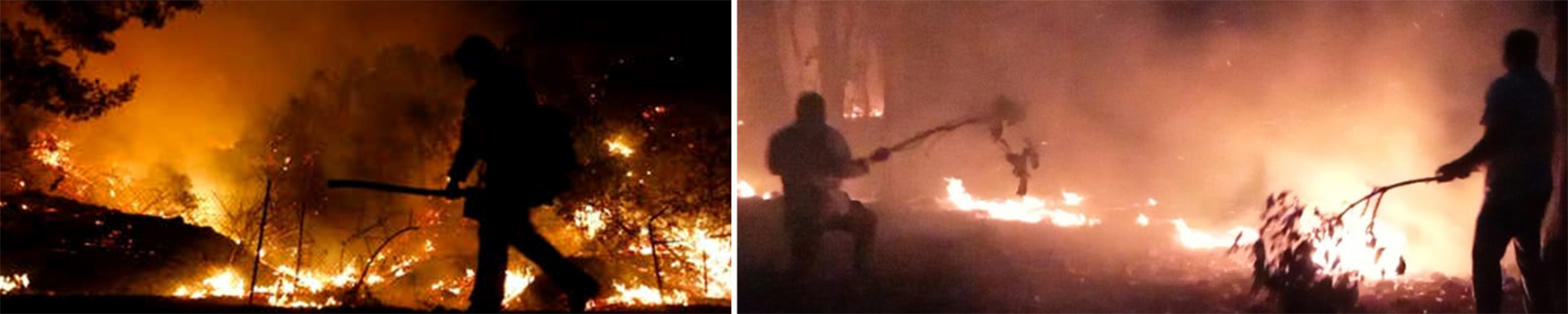
Similipal forest spread in 2,750 km2 was ravaged by fire recently. It is Asia’s 2nd largest biosphere reserve, famous for its tiger and elephant populations and home to large varieties of flora and fauna – 94 orchid species, 55 mammal species, 304 bird species, 60 reptile species, 21 amphibian species 38 fish species & 164 butterfly species, reflecting its biodiversity richness. It is home to 1,076 vascular plants, 93 orchid species, 400 medicinal plants & many wildlife species.
Similipal, which derives its name from ‘Simul’ (silk cotton) tree, lies in eastern ghat and located in northern part of Odisha’s Mayurbhanj district, is a national park and a tiger reserve. Similipal and its adjoining areas, comprising 5,569 km2 was declared a biosphere reserve by the GoI on 22.06.94, included in World Network of Biosphere Reserves by UNESCO in 2009.
Simlipal authorities on the contrary have claimed that the core area of the sanctuary is safe and secured while the fire that broke out in the buffer zone and foothill areas is under control now. “Total of 399 fire points were identified in the fringe areas bordering the forest, close to the villages and all of them were attended to bring the fire under control,” Simlipal regional conservator of forests Maloth Mohan said.
The forest area remains vulnerable to forest fires during autumn. It is a recurrent annual phenomenon, which are also brought under control due to the short span of precipitation. January and February witness rainfall of 10.8 and 21 mm, respectively. The last incident of a major forest fire was reported in 2015.
While denying that the fire was blazing for almost 15 days, PCCF (wildlife) Sashi Paul said that special squads were formed on February 15 on getting satellite information about fire points and field staffs extinguished the fire.
The fire broke out on February 27 was first tweeted by former Maurbhanj royal family princess Akshita M Bhanj Deo on March 1 prompting the state Govt to swing into action. However, she along with mother along with her mother Rashmi Rajyalaxmi Bhanjdeo had gone to Talabandha area from Bhagirathipur in the forest and succeeded in putting out flames at few points.
Akshita, who has sought help of the Centre and state Govt, besides an independent inquiry into the fire incident, told media persons that a council for Similipal should be set up and a NGO look after daily affairs of the tiger reserve, as highlighted by local dailies.
Cause of wildfire: Villagers who collect Mahua flowers to make country liquor burn the leaves in the forest every year. As the villagers move from one village to another, they carry a fire torch at night, which also causes fires inside the forest. As dry leaves cover the flowers, villagers burn them to separate them, which are not affected by the fire but increases visibility to protect them from attack by animals, like tigers.
“Eight forests ranges of 21 of Similipal have been affected. The core area is particularly vulnerable to uncontrolled fires due to its inaccessibility to fire fighters”, noted tiger expert & former wildlife researcher LAK Singh, told this reporter, adding “around 90% of forest fires were human-made while rest are caused due to lightning & friction caused by falling rocks. The fires seemed to be both, a natural disaster and human-made.”The forest department initiated an innovative idea of using green nets to collect Mahua flowers which failed to serve the purpose.
While forest fires are common occurrence in Similipal, but the latest incident was unprecedented due to its intensity. Moreover, early onset of summer this year and prolonged dry spell in the region might have contributed to the wildfire. Ddaytime temperatures in Similipal over past two weeks have hovered around 40°C causing concern for the experts. But debates continue to rage over the exact cause of the wildlife, with experts & local residents blame various causes for this ecological crisis, including climate change, illegal mining and lack of safety measures taken by the local Govt. Another major forest also fire broke out in adjoining Kuladiha Sanctuary in Nilgiri and Boudh Forest Division.
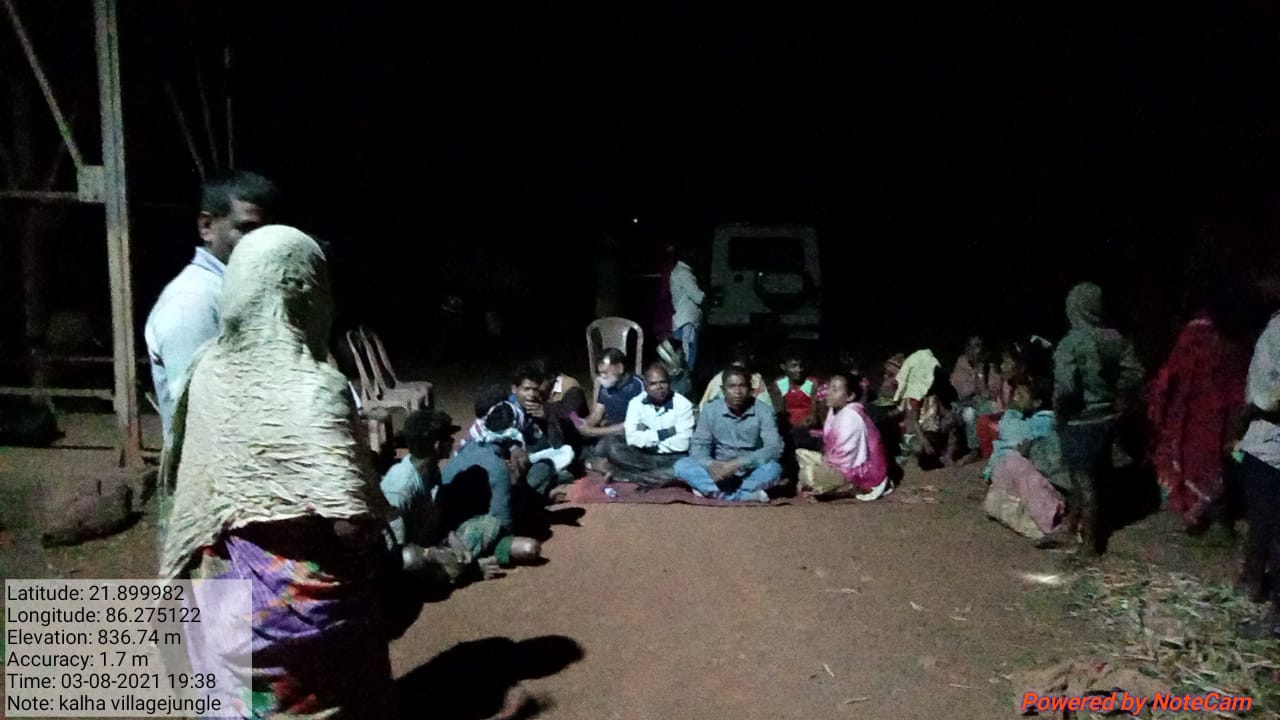
The transition zone of the reserve has 1,200 villages with total population of about 4.5 lakh, including about 73% tribals. The villagers believe in burning patches of sal trees will lead to better growth when planted again. This year, along with man-made factors, an advanced heat wave with the early onset of summer further deteriorated the condition.
Such fires are generally brought under control by natural rains. Forecasting fire-prone days and including community members to mitigate incidents of fire, creating fire lines, clearing sites of dried biomass and crackdown on poachers are some of the methods to prevent fires. The forest fire lines which are strips kept clear of vegetation help break the forest into compartments to prevent fires from spreading.
This year, the forest department intensified its mitigation measures and formed a squad each for 21 ranges across five divisions to closely monitor the situation. 1,000 personnel, 250 forest guards were pressed into action. 40 fire tenders and 240 blower machines were used to contain the blaze besides awareness programmes.
Meanwhile, alleging an apathetic attitude of the state administration towards the Similipal forest fire, a local outfit, named Bhanja Sena, had called for a bandh across the district on Thursday resulting in blockage of NH-49 while shops & markets remained closed. They have demanded the authorities to douse the flames by showering water by helicopters. But nature lovers who have formed a group, christened as Similipal-Echo Friends, have been conducting mass awareness programmes in villages on the outskirt of the forest.


 20
