
Encounter with ‘Born Free’ attracts tourists
By Pradeep Kumar
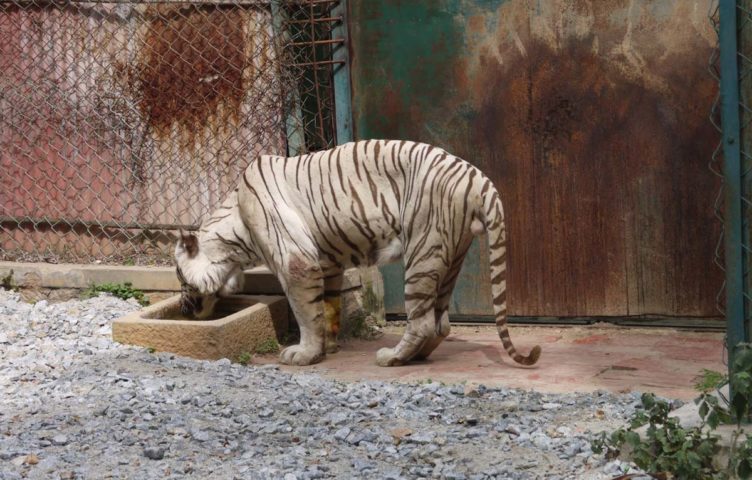
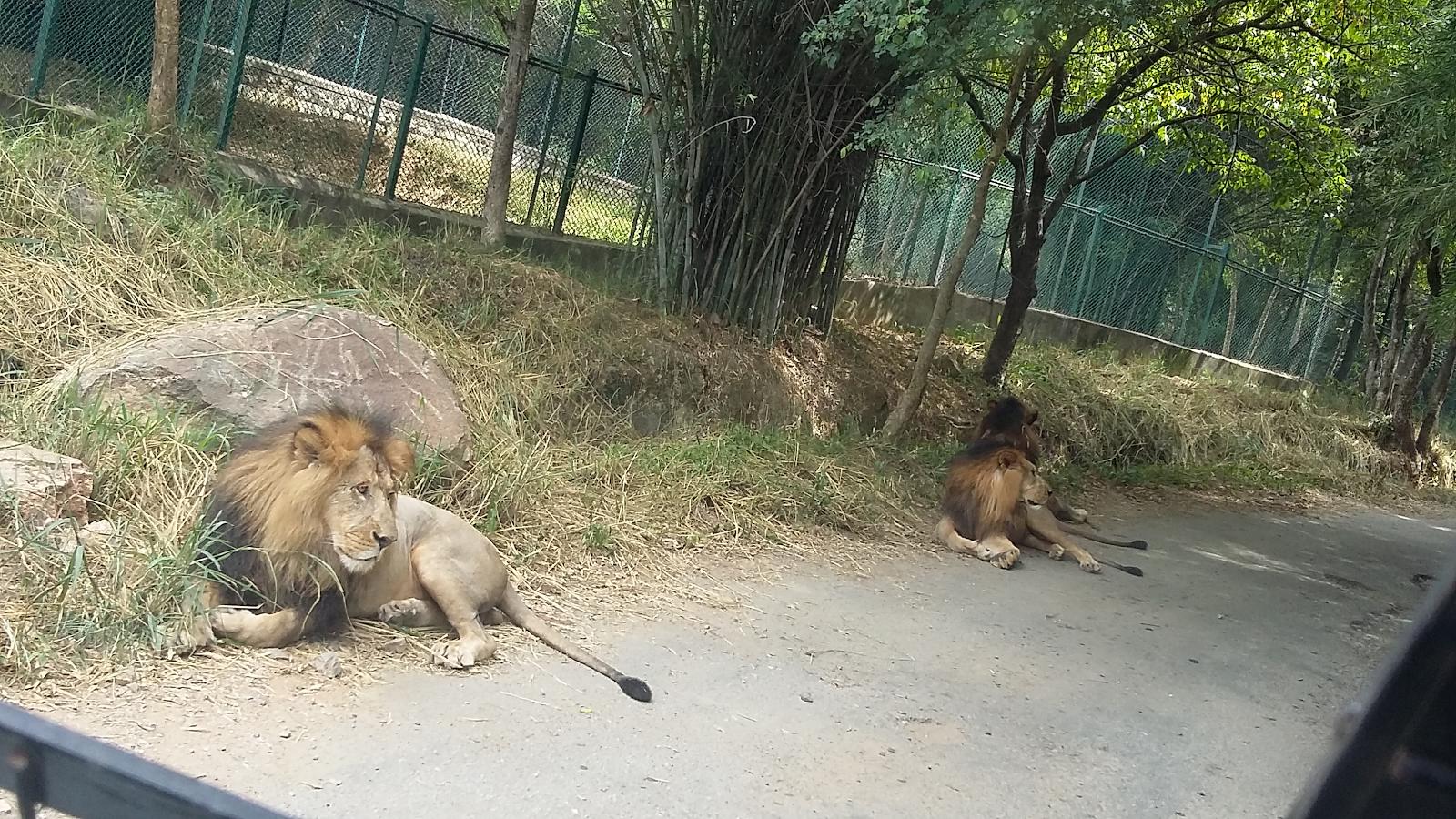
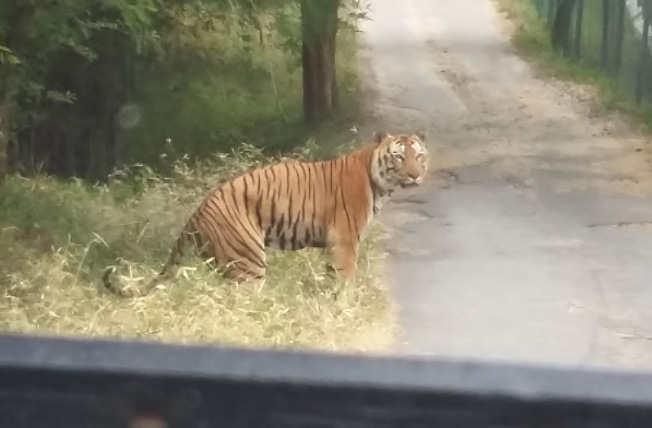
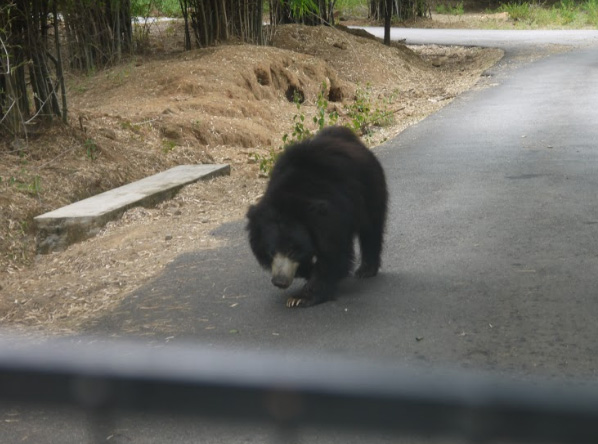
BENGALURU | Aug 01 | A Royal Bengal Tiger majestically walking ahead of your vehicle forcing the driver to change route to avoid any face-to-face encounter, bears walking straight in front of the vehicle, white tiger drinking water close by, lions bother not and relax along the road and yawn at the tourists who pass nearby in many vehicles sending shivers down the spine.
Who bothers about the elephant herds taking bath in the nearby natural park, zebras playing on a ground, ostrich standing nearby, numerous colourful rare bird species including hornbill or various species of monkeys in their usual naughty form by taking away their personal belongings, particularly food stuffs from the visitors and to accept food stuff from hands without any fear.
A Safari inside Bannerghatta Biological Park (BPP) amounts to almost an experience of famous 1966 British film Born Free, which had won numerous awards. It raises a question – Is this a place hardly 22-km off a metropolitan city (Bengaluru)? Originally set up to promote eco-recreation, eco-tourism and conservation in 545 ha forest area of the BPP, the area was later extended to 731.88 ha in 2002. One of the few places in the world where wilderness is preserved so close to a big city as proved by its heart throbbing Safari, Zoo, Butterfly Park (1st in India and 2nd such in the world) and Rescue Center (conservation of captive animals).
The nearby Bandipur National Park is equally well maintained and drawing domestic and foreign tourists in large number.
This reminded me of the Itanagar Biological Park (IBP) including a zoo 250 ha area. When present Arunachal Pradesh Govt has prioritized tourism, no tangible policy or actions are visible to achieve the goal. Buddhist Gompa, Buddhist temple in Nitivihar, Ganga lake and IBP are the only recreational facilitates in Itanagar for the Itanagarians without any change whatsoever for decades.
Arunachal should take a cue from its Tamil Nadu in taping its vast natural resources, hills, perennial rivers and streams to create attractions to woo tourists from far and wide. A Safari in IBP like BBP in Tamil Nadu, may be smaller in area and few animals, if created could turn into a tourist hub of North Eastern region.
Beginning with a mini zoo in 1972 as biological recreation center in the famous Champakadhama hills but the BPP continued to enlarge it but with a pragmatic vision to maintain the biodiversity, conservation of natural resources for maintaining the ecological balance and conserve flora and fauna, particularly numerous endangered species; supporting the conservation of endangered species by giving species, which have no chance of survival in wild, a last chance of survival through coordinated breeding under ex-situ condition and raise stocks for rehabilitating them in wild as and when it is appropriate and desirable; develop empathy for wild animals among visitors; providing opportunities for scientific studies, research and documentation on conservation and creation of database for sharing between authorities involved in conservation; providing dedicated facilities for the rescued and orphaned wild animals by providing appropriate housing, clinical and management facilities in off-the display area; to serve as gene pool and germplasm reserve for future biological research on wild animals and to extend facilities for studies on behaviour and breeding of different animals and to provide recreational opportunity to the visiting tourists.


 20
