
Beyond the Horizon
By Pradeep Kumar
The rich cultural heritage of Arunachal Pradesh has been making inroads into various parts of the world, justifying the common adage – ‘A thing of beauty is joy for ever’.
This Himalayan state, christened by me as ‘Land of Indradhanush’, is inhabited mostly by tribal people belonging to 26 major tribes and more than 100 sub-tribes, each having unique culture and traditions which are passed down by the ancestors since time immemorial.
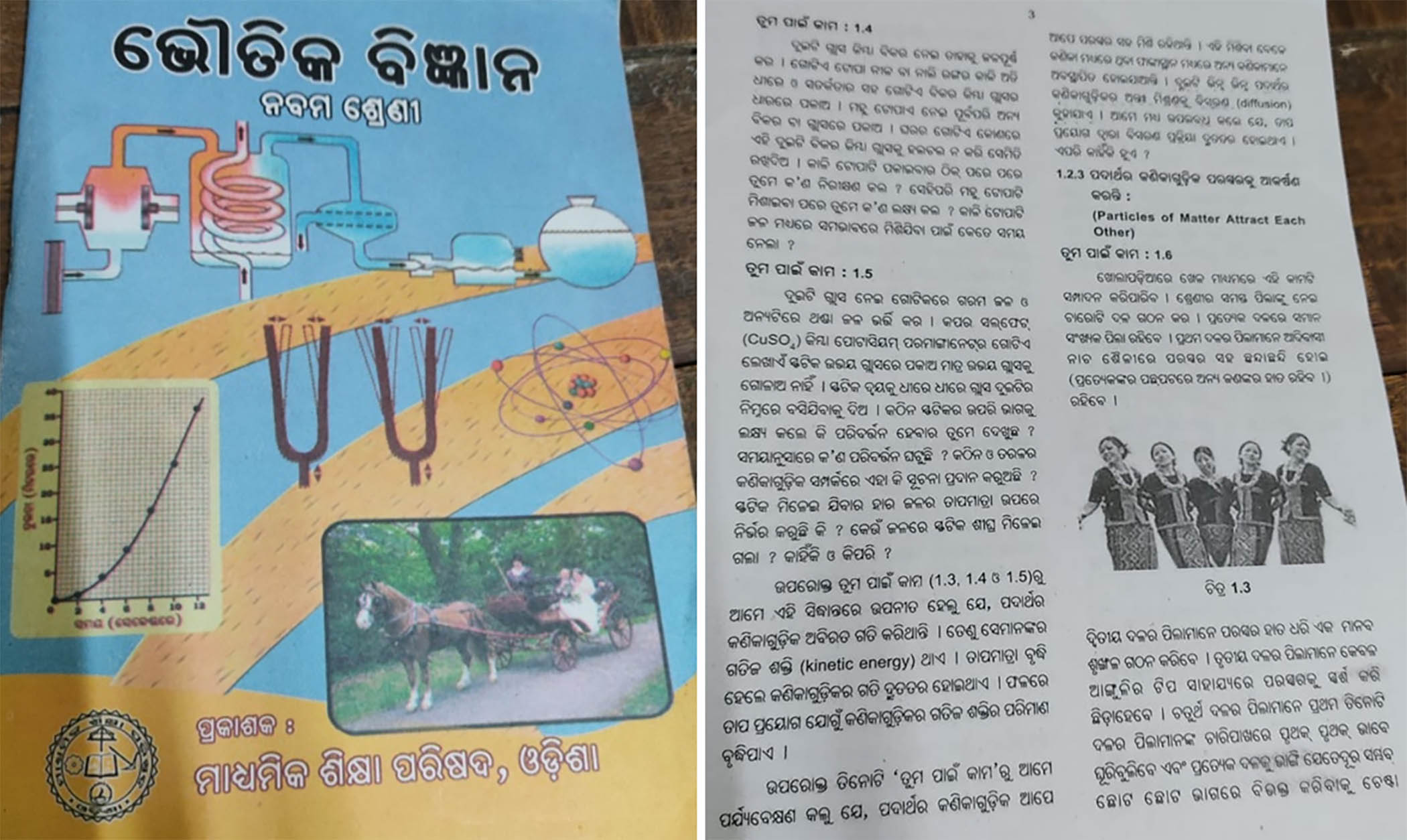
Idu Mishmi tribe’s dance is the latest to find place is in Physical Science text book for class-XI of Odisha government’s school syllabus.
Under the head – Particles of matters attract each other – it is mentioned that this would be achieved through games in playground. First group would hold each others’ hands and wrap them behind their bodies the way tribals do while dancing. The picture is that of five young Idu Mishmi damsels in their traditional attire.
This daily’s July 21, 2019 edition had highlighted – Miji and Rongmei dances steal maiden London show – Miji dance of Arunachal Pradesh and Rongmei dance of Manipur enthralled the jam packed Nehru Centre in London to become cynosure of all eyes by stealing the show. It was an initiative of Sanskruti Centre for Cultural Excellence (SCCE) of High Commission of India.
Messages of Culture Ministers Taba Tedir (Arunachal Pradesh) and Jayanatumar Singh (Manipur) were read out while Sushil Rapatwar paid a tribute to tribal heroes and heroines belonging to freedom fighters to sports icons, including those from North East Rani Gaidinliu, Matmur Jamoh, Moji Riba, U Tirot Singh who fought the British, and Baichung Bhutia & Mary Kom who brought laurels to India through their global achievements. The tributes were through short documentaries on their respective life and contributions, organizers informed this daily.
Speaking on importance of tribal culture Dr Anand Arya, Dr Melissa Kapoor and Tushar Joge strongly advocated their popularization and preservation for posterity.
SCCE founder Ragasudha Vinjamuri, an academician, enlightened the gathering with tribal statistics of Union Ministry for Tribal Affairs by highlighting Ekalavya Residential Schools, National Overseas Scholarships, Van Kalyanashram and other initiatives to empower tribal communities educationally, culturally and economically.
Mayor Tom Aditya from Bristol, Manish Tiwari of Here & Now and 90-year-old Prince Mohsin Ali Khan belonging to the family of Nizam of Miji and Rongmei made their debut with this event not only in United Kingdom, but in Europe as a whole. It is a moment of joy for the people of North East that their culture is highlighted and appreciated far and wide.
It is worth mentioning here that there is a huge gap in presenting tribal dance forms in Britain, which is home to one of the vibrant and largest Indian Diasporas. Moreover, SCCE is the only group that is actively promoting tribal performing arts in the UK for the last 10 years.
This age-old rich cultural heritage has been drifting away under the impacts of modernity. Thus, various attempts are being made for their popularization, protection and preservation.
“UK researcher Tara Douglas has been helping Wancho tribe in ‘disturbed’ Arunachal district preserve culture by preserving folktales of the tribe through animated films. Taking the folktales of Wancho tribe in hilly Arunachal Pradesh to the outside world through animation films was researcher Douglas’ aim.
But on reaching Kamhua Noknu, a remote village in “disturbed” Longding district weeks ago, the UK-based researcher realised that preserving the culture and tradition for the next generation of the Wancho tribe in the village itself was equally important.
“This prompted Tara to encourage the villagers set up a centre for art, culture and knowledge on the hills, where village elders are now sharing the folktales and ancient tradition with the young boys and girls for their documentation and preservation,” as reported by Deccan Herlad from Guwhati on December 21, 2020.
This again underscores the relevance of adage – “If culture is lost, identity is lost”, very often quoted by state leaders, including Chief Minister Pema Khandu.


 20
