
Dr Kirki Ori
Introduction: The earth climate is changing due to rising temperature of the atmosphere. The extreme climate change will eventually cause serious threat to survival of living beings. Increase in earth’s temperature has been noticed by scientists and continuous raise is sure to destroy the ecosystem in the coming decades.
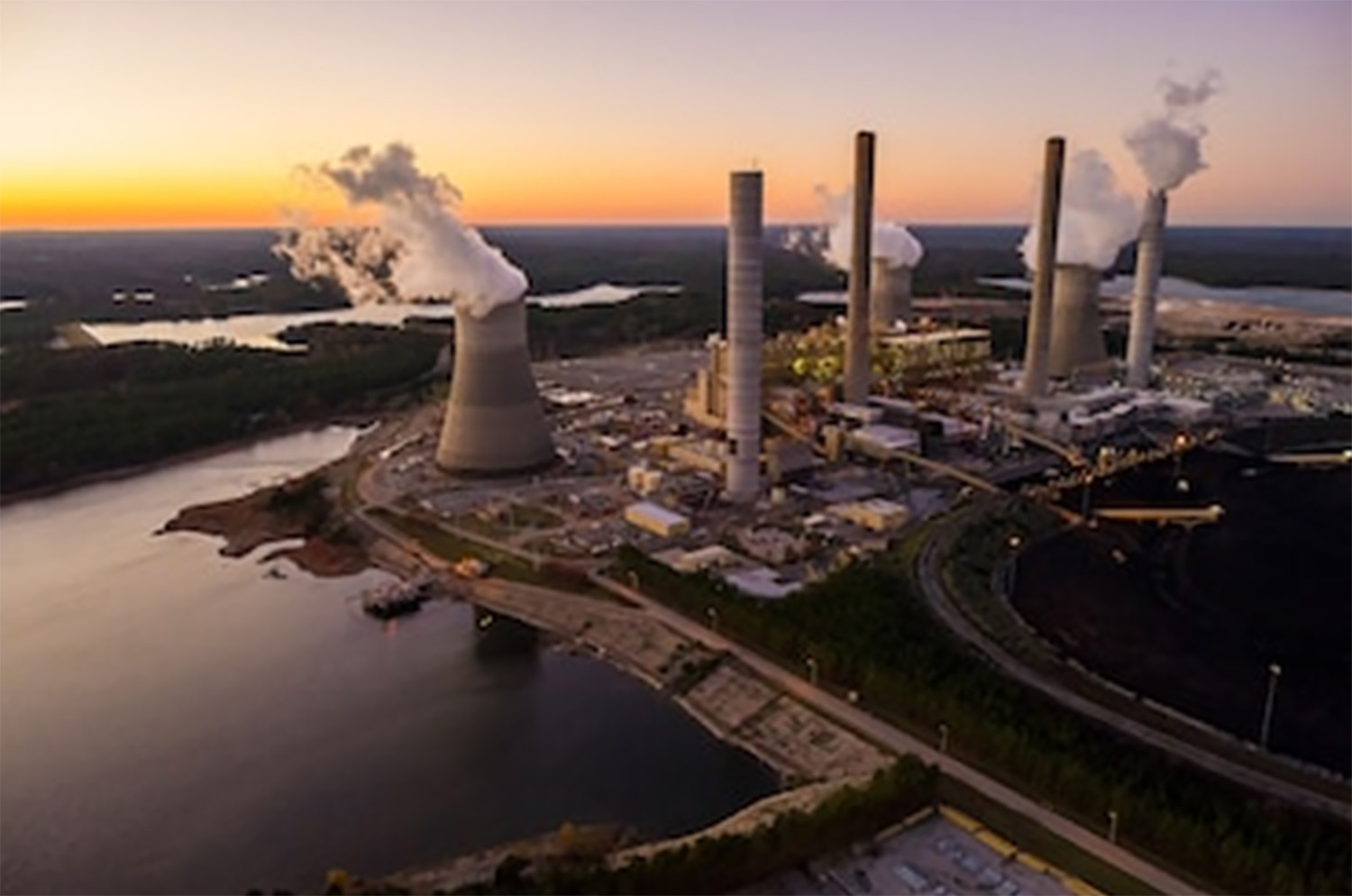
The temperature variation is due to increase in Green House Gases (GHG) activities. Some of the GHG that naturally evolve is necessary for balancing the ecosystem. But excess GHG responsible for global warming are threatening our ecology. The human activities, like factories, industries, power plants, construction activities, transportation, etc. to fulfill human needs and desires are contributing to GHG. More population will increase the requirements to boost GHG generation. As area & size of the earth and its atmosphere will remain the same, the population growth should be controlled to make the earth habitable forever.
Because of growing GHG activities and the probable increase in global temperature, the Intergovernmental Panel on Climate Change (IPCC) had set a target to bring down average global temperature to 1.50 Celsius. But the percentage of GHG is increasing decades by decades, because of continuous addition of GHG into the atmosphere beyond the tolerance limit of Mother Earth. This needs attention of all people living on the earth.
The GHG does not allow the heat to radiate out from earth’s atmosphere. It traps heat and makes the planet warmer. The major GHG in the atmosphere are water vapour, carbon dioxide (CO2), methane (CH4), nitrous oxide (N2O) and chlorofluorocarbons (CFCs).
Water vapour vapor is evaporated due to warming up of earth’s surface by sun rays and other GHGs. It is phase of hydrological cycles or water cycles in the atmosphere. Unlike other gases that remain in the atmosphere for a long period, water vapors through the atmosphere fast. The water vapor is a GHG and plays important role in the atmosphere. It absorbs parts of the insolation and acts like a blanket to maintain earth’s temperature and also contributes to stability of the air.
The CO2, one of the major GHG, is released through a natural process of respiration by the plants, animals and volcano eruptions. The combustion of fuel in industries, factories & vehicles, burning of wood coal, oil and gasoline are major source of CO2. Since the Industrial Revolution, humans increased CO2 concentration in the atmosphere by 48%. All these activities are only to suffice needs of the growing population. Although rising CO2 can stimulate plant growth, it can also reduce nutritional value of most food crops by reducing concentration of protein and essential minerals in most plant species.
Methane (CH4,) is another gas responsible for GHG. It is a colorless and odourless gas generally use as fuel. Methane is more active GHG than carbon dioxide, but it is not abundant in the atmosphere. According to U.S. Environmental Protection Agency (EPA), 10% of GHG emissions are from use of methane gas. The methane is produced from natural and human activities. The ocean/sea, wetlands and termites are some of the natural sources of methane. The human activities, like coal mining, agriculture farming, livestock farming, organic solid waste and composting are source of methane. Methane is also used as fuel and other domestic heating equipment.
Nitrous Oxide (N2O) is a powerful GHG. It is 298 times more potent than CO2 as per the IPCC. The N2O depletes the ozone layer and it has less life span. Nitrous oxide gas, popularly known as laughing gas, is used in medical science. The largest source of nitrous oxide is agriculture, fertilized soil, fossil fuel combustion, nitric acid production and biomass burning.
Chlorofluorocarbons (CFCs) is also a synthetic compound entirely of industrial origin used in several applications that can contribute to destruction of ozone layer. The CFC is also emitted from various household, commercial and industrial applications and processes. Though CFC is emitted in small quantities, but is more potent than CO2.
Global warming & climate change: The heat is retained on earth’s surface due to presence of GHG leading to warming up of the atmosphere that leads to climate change. Warmer conditions lead to evaporation of water and precipitation. Global warming will warm up temperature of the sea, melt the glaciers and icesheets, resulting increase in sea level and expansion of sea coverage in coastal areas. Climate changes impacts, like floods, droughts and extreme rises in temperatures may lead to crop losses and threaten the livelihoods of farmers, in particular, and affect the food security worldwide.
Conclusion: According to 5th Assessment Report of IPCC, human activities have warmed our planet. Industrial activities have raised atmospheric CO2 from 280 ppm to 417 ppm in last 151 years. Industrial activities, burning of fossil fuels, transportation, mining, and solid waste dumping – major source of GHG – are only to fulfill human needs and aspirations. The GHG generated out of war is due to human egos and struggling for human survival. Therefore, the lesser the population, the less will be a requirement, the less will be industrial activities and less GHG will be generated. This in turn will not elevate the global temperature.
Hence, the time calls for population control as focal point of all lawmakers, policy makers and executioners. [The author is PhD(civil), FIE(I)-environmental engineer]


 20
