
Beware of climate change!
ITANAGAR (AONS): Climate change refers to long-term shifts in temperatures and weather patterns. These shifts may be natural, but since the 1800s, human activities have been the main driver of climate change, primarily due to the burning of fossil fuels (like coal, oil, and gas), which produces heat-trapping gases.
Arunachal Pradesh has 79.33% of its total geographical area of area of approximately 83,743 km² covered by forest ranking it among top five states in India by forest cover percentage, according to the 2021 Forest Survey Report. The state home to many rare and endemic species, including 5,000 species of flowering plants, seven primates and 770 bird species, located in the eastern Himalayan region and is India’s largest mountainous state, is one of the 12 mega biodiversity hotspots of the world. If climate change has impacted this Himalayan state, one could imagine its intensity and those who matter need to take steps for mitigation and adoption pragmatic steps to reduce its impacts.
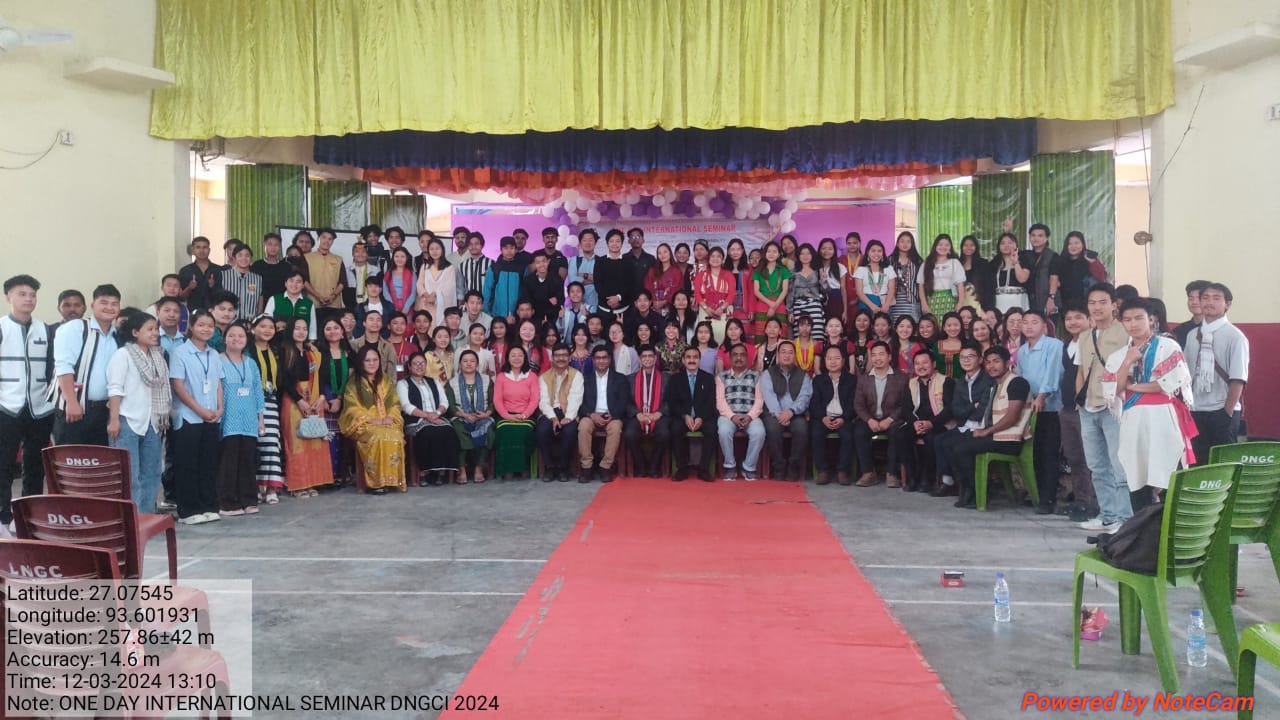
ITANAGAR, Mar 12: Expressing grave over impacts of climate change in the Third Pole, which includes the Himalayan region and eight Asian countries where indigenous communities and tribes are adjusting to the changing climate, Finland-based North Eastern Institute for Environmental Director Prof. Kamrul Hossain noted that the variability in climate is caused by human activities.
Prof. Hossain, also director of Minority Law Uarctic Chair, Arctic Centre, University of Lapland, Rovaniemi, was addressing as a resource person of an international seminar on ‘Climate change, resilience and sustainability connecting Arctic with Third Pole” was organized by DNGC anthropology department.
Kolkata’s Mrinali Datta Mahavidyapith Birati associate Prof (anthropology) Dr. Suman Chakraborty, speaking as special invitee, discussed effects of the global climate, citing the rise in temperature in a few districts of Arunachal Pradesh. It may be mentioned here that this Himalayan state is considered one of the 12 biodiversity hotspots of the world
RGU dean (social science) Prof. Sarit Kumar Chaudhury noted that to address the growing concern about climate change there is an urgent need for bridging interdisciplinary boundaries.
DNGC principal Dr. M. Q. Khan and, HoD (anthropology) Dr. Ratna Tayeng also addressed 300 participants, including faculties of various departments and students, according to a DNGC release.


 20

