
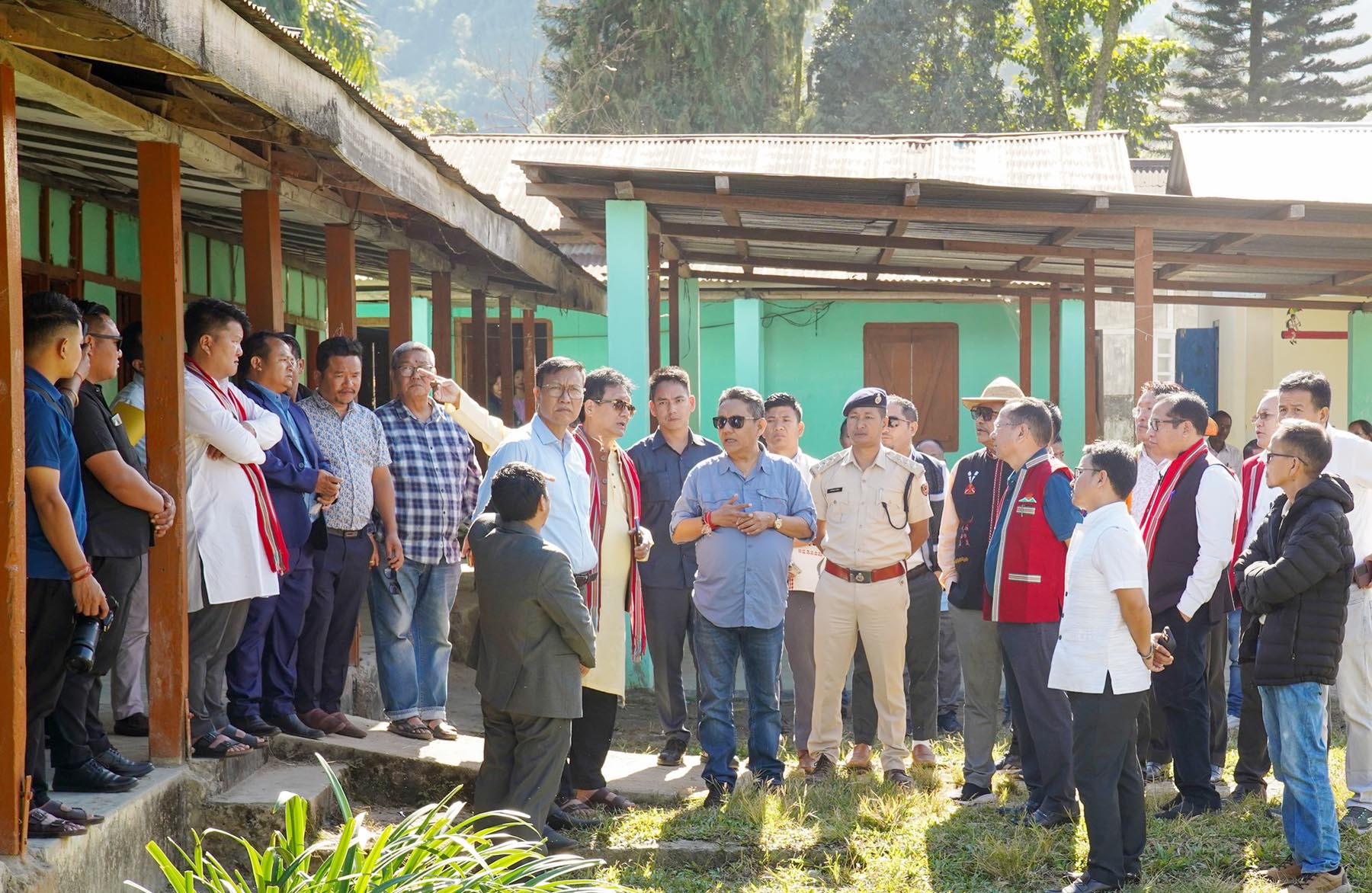
HAWAI, Dec 20: “Justifying the common adage ‘Rome was not built in a day’, any aspect of the society through reforms cannot be achieved overnight. However, with careful planning and rigorous execution, lasting change is possible,” said Education Minister Pasang Dorjee Sona, in his address to final follow-up meeting of Chintan Shivir here in Anjaw district here on Thursday.
With this belief, the GoAP is now on a transformative journey to revive and reform its educational system. The vision is to create a more effective, inclusive and sustainable education system, one that involves every stakeholder from Cabinet Ministers to grassroots workers.
The state led by Chief Minister Pema Khandu launched a 360-degree educational reform plan aimed at ensuring active participation from all sectors of society. This initiative involves students, teachers, village panchayats, student leaders, elected representatives, youth associations and Govt officials at all levels. The event begun with a three-day event in August last that served as a platform for extensive discussions on future of education.
Rather than taking a conventional top-down approach, Sona adopted a more firsthand approach, personally visiting every district of the state. He engaged directly with teachers, students, and other key stakeholders at government schools ranging from elementary to higher secondary levels. His approach has been to understand the challenges faced at the ground level and work closely with local communities to develop realistic and effective solutions through follow up meetings.
Sona shared his thoughts on importance of improving state’s educational landscape and stressed the need for a robust education system as foundation of a good society, saying, “We started this reform process with the understanding that until our education system is strengthened, we cannot expect to build a better society. Through the Chintan Shivir, we brought together NGOs, CBOs, student communities, panchayats and elected representatives to address chronic issues and find solutions. After rigorous discussions, we identified key areas for reform, including the problem of schools with zero enrolment, infrastructure gaps, and the need for better human resources. By addressing these challenges, we aim to improve the quality of education and ensure that every child, no matter how remote, has access to quality schooling.”
One of the key reforms that emerged from the Chintan Shivir was the decision to merge under-utilised schools and close those with zero enrolment. This move aims to optimise the use of resources, improve the quality of education, and provide better infrastructure to schools in rural and most remote area. The GoAP recognises importance of ensuring that every student, regardless of location, has access to the best educational opportunities.
As part of the ongoing reform process, the GoAP is compiling a comprehensive database to assess human resource gaps and infrastructural needs across the state. A dedicated project monitoring team will use this data to formulate the roadmap for the next three to four financial years, focusing on the timely rollout of infrastructure upgrades and addressing human resource shortages.
The GoAP’s educational reform initiative is already receiving positive feedback from communities across the state. Sona and his team will continue to engage with stakeholders at all levels to ensure the successful implementation of these reforms. (PRO)


 20
