
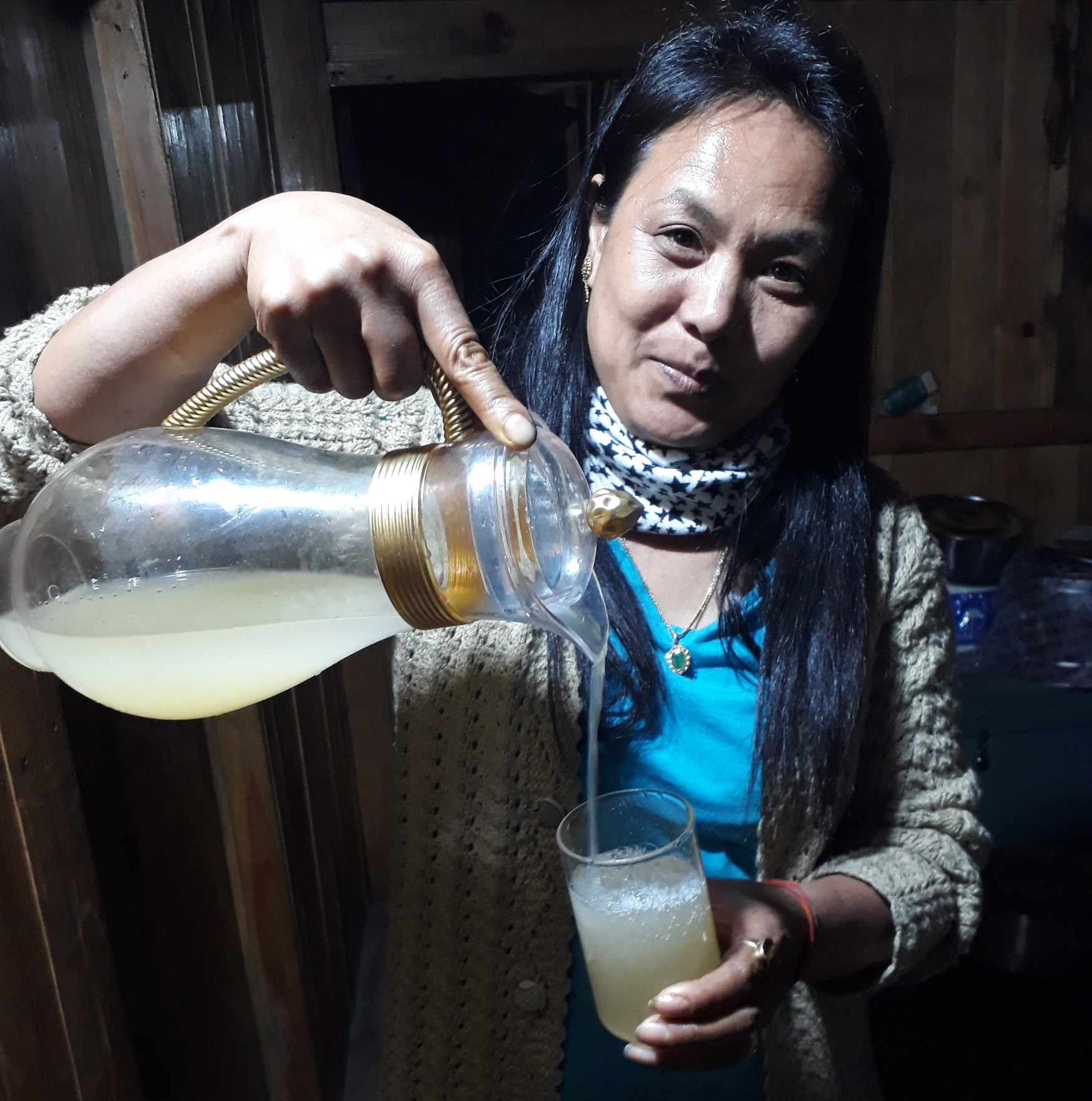
Taku Yamang
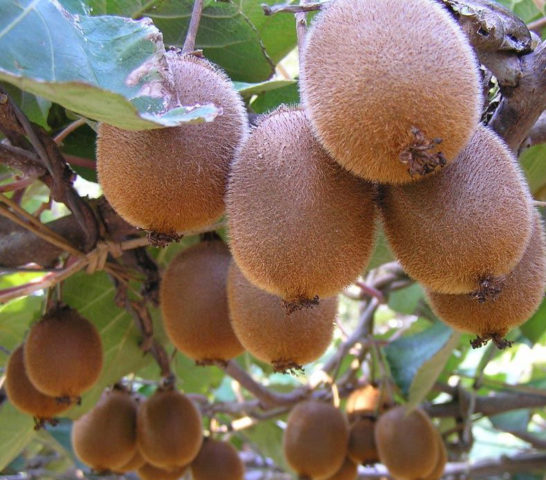
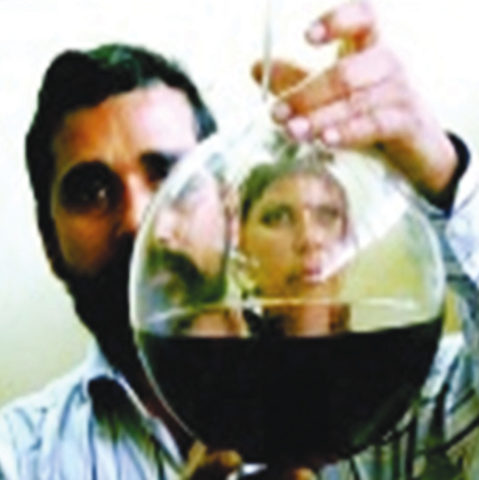
Salang village kiwi Pankaj
Beyond the Horizon
By Pradeep Kumar
Arunachalee kiwi farmer
wins national honour
Bodumba, a progressive farmer from Namthung village in West Kameng district, was conferred Krishak Samrat Samman-2017 (Farmer of the Year, male) under ‘More than 20 acre’ category in recognition of his remarkable contribution towards farmers’ empowerment & state’s agri-based entrepreneurship development.
Union Agriculture Minister Radha Mohan Singh presented the award in a ceremony at New Delhi, organised by Mahindra & Mahindra Ltd (MML) recently. It was attended by MML CMD Anand Mahindra & MD Pawan Goenka, Union Ministers of State (Agriculture) Purushotam Rupala and Sudarshan Bhagat, NITI Aayog’s Ashish Bahuguna and union agriculture secretary Shobhna Patnayak.
Bodumba had successfully developed an innovative technology of increasing kiwi plant population by reducing spacing of plants into 4X4 mtr, instead of indigenous practice of 6X4 mtr spacing, where only a single plant is planted. With this method, kiwi plant population could be increased to 252 from 168 per acre and its production to 13,860 kg per acre from 9,240 kg while reducing per acre cost of production to Rs 2,10,870 from Rs 2,40,000.
With nearly 20-year experience in farming and production of temperate fruits, like kiwi, apple, walnut, persimmon etc, Bodumba is owner of well-known temperate fruit nursery Namthung Agri-Horti Multipurpose Nursery, accredited by Nagaland’s Central Institute of Horticulture.
He has trained farmers and agricultural students of Arunachal, Assam and Nagaland for cultivation & production of quality planting materials of temperate fruits.
‘Dil mange more’ by every journalist rented the air after they were served organic kiwi wine prepared by Taku Yamang during a dinner hosted by social activist Taku Chautng on 15.11.17 night at Ziro. This was repeated a day after National Press Day celebration on 16.11.217 when the couple invited media team for brunch.
The home made brew stole the show though every Arunachal home is known for preparing local brew for festivals, marriages and other festive occasions since time immemorial. Arunachalee wine drew global attention when Pankaj Awasthi, who holds a PG in Chemistry and a two-year degree in alcohol technology from National Sugar Institute, Kanpur, had made wine from banana because of his curiosity why wild banana is a favourite delicacy of elephants. This banana wine was adjudged the best of the lot in 2nd, 3rd and 4th Shillong Wine Festival in 2005, 2006 and 2007.
Organized by the Forever Young Sports Club, connoisseurs of wine, mostly foreigners, had thronged the exhibition stall in 2007 to have a sip of Arunachal home makers’ special. It not only had won accolades but many foreign companies evinced keen interest to brand the product. One Allience couple from Germany were so impressed that they had invited Pankaj to visit Germany for a three months’ trip at their expense for a final trial there to give Banana wine a world brand.
A Britisher had commented that it is not just the locals but even foreigners who are going bananas over the Banana wine fermented with local flavour in the ‘Scotland of the East’. “Banana being sweet can move over the grapes which are sour. It has surpassed the French wine, once known as the best in the world, and can become the topmost if marketed globally”, Pankaj had quoted a French tourist as saying.
“Though kiwi, apple, pineapple and orange wines are equally good, the banana variety was relished by wine lovers as the queen of wines. The wine sample sent to Chennai-based Wine Association of India had categorized it as the ‘Golden wine of India”, Pankaj, presently working with M/s United Brothers Distilleries Pvt. Ltd here, had said. After successfully to converting Arunachal fruits – banana, kiwi, apple, pineapple, orange – to wine, Pankaj and his wife Ritu were experimenting on amla when they met me few months ago.
A glass of wine a day, dieticians believe, keeps one healthy, particularly free from heart disease. But, John Eliot says: “Wine is a noble, generous liquor, and we should be humbly thankful for it; but, as I remember, water was made before it.”
It may be recalled that Tangsas traditionally brew wine from banana, locally known as Napngak Kham or Longak Ju or Langak Chol. Moreover, this wine was adjudged the during Arunachal Festival at Itanagar for three consecutive years.
Now Chautng couple with their brewed wine has added another chapter to state’s wine history but they have neither branded this delicious wine nor tried to market. On being convinced to start bottling for marketing, both consented to open a counter at Naharlagun. But what about branding it as ‘Chatung Wine’? In fact, it would face completion from two other brands already in the market.
‘Naara-Aaba’: India’s first organic Kiwi wine, branded as ‘Naara-Aaba’, brewed by M/s Subu Food & Beverages owned by the young entrepreneurs’ couple Takhe Tamo and Tage Rita Takhe, was launched at Hong village in Lower Subansiri district by Industries Minister Tamiyo Taga on 27.10.17.
The 40,000-litre-capacity winery will accommodate all Kiwis grown in the state for a single batch, its CMD Tage Rita Takhe had said, adding This is the second organic kiwi winery in the world, after Switzerland. Technologies have been imported from Denmark, the best of the bottles from China to bring out one of the finest kiwi wines in the world, she had added.
Apatanis are true Arunachal Marwadis (innovative traders), as I write often, has been proved right by both women.
‘Arun Kiwi’: High quality wine, produced from kiwi fruits of Arunachal Pradesh, branded as ‘Arun Kiwi’ and produced by Pune-based Hill Crest Foods & Beverages Pvt Ltd as a result of an MoU signed with Arunachal Pradesh Horticultural Produce Marketing & Processing Board, was launched at Mumbai on 12.09.14 and Itanagar on 07.05.15.
Arunachal Pradesh had become first state of India to achieve the glory of making high aroma, very crisp wine. As per the MoU, the state would supply over 2.5 tonne of kiwi fruits to Rhythm Winery, a part of the Hill Crest Foods & Beverages Pvt Ltd, as a service provider for brewing the wine. “Fruit wine could be a money spinner for the state, if the GoAP seriously take steps to tap its potential by setting up for wine breweries,” its director Akalpit Prabhune had said after launching the wine.
Wine having a long history, dating back about 8,000 years, and thought to have originated in present day Georgia or Iran, is considered a best bovine across the world. It has several health benefits as it has a high percentage of anti-oxidants and Vitamin C but of high acidic nature with sugar level similar to grapes.
Arunachal with 4,956 MT kiwi (2014-15) is India’s highest producer in India. Kiwi or Chinese gooseberry is grown widely in New Zealand, Italy, USA, China, Japan, Australia, France, Pakistan, Iran, Kashmir, Chile and Spain, while in India it is mostly grown in the mid hills of Himachal Pradesh, Uttar Pradesh, J & K, Sikkim, Meghalaya, Arunachal Pradesh, Karnataka, Uttarakhand and Kerala.
Arunachal kiwi sold with foreign label
Puneet Jhajharia and Ishira Mehta, who gave up lucrative, settled careers (Puneet was developing technology solutions for Wall Street and Ishira, after a stint with the NGO, Self Employed Women’s Association-SEWA, was with the International Finance Corporation) to launch CropConnect with the purpose of discovering hidden gems from our fields and getting them to the table, Kiwis from Arunachal Pradesh? That’s truly Make in India, Sourish Bhattacherjee wrote in March 10,16 edition of Business Today– Kiwis from Arunachal Pradesh? That’s truly Make in India. They have been endeavouring to turn traditional crops into money-spinners with some intelligent marketing.
India imports 4,000 tonnes of kiwis from New Zealand, Italy and Chile – the most favoured brand name being Zespry – but Arunachal Pradesh grows kiwis too and these sell for 30% lower than the price commanded by the multinational.
Over the last three years, Puneet and Ishira have seen Arunachal’s kiwis struggle to gain a toehold in the national market; ironically, there are no takers as long they’re identified as locally sourced and cheaper to boot. Fruit wholesalers therefore have hit upon a novel idea, as Puneet and Ishita have discovered, to clear domestic kiwi stock and make more money. They sell them under a foreign label at prices commanded by the imported fruit. Does that benefit Arunachal’s kiwi farmers? Well, the market subterfuge does ensure their stocks don’t remain unsold, but do they benefit from the higher prices their produce now commands? No way!
The NE especially, Puneet and Ishira have found out as they go about “mapping the gap between the consumer and the producer”, is a treasure trove of products that deserve to be better known in the rest of the country – these include Nagaland’s pineapples, Meghalaya’s ginger and turmeric, Manipur black rice and passion fruit, and the badi elaichi from Arunachal and Sikkim.
Indian farmers need many more CropConnects to enable them to enter the marketplace without middlemen getting into the picture. Let the free market work in their favour too.


 20
