
By Staff Reporter
ITANAGAR, June 04: The Arunachal Pradesh Trade Union Federation (APTUF) and the All Arunachal Pradesh Workers’ Union (AAPWU) on Thursday served an ultimatum to the GoAP, demanding the release of pending salaries of casual/contingency workers by June 20.
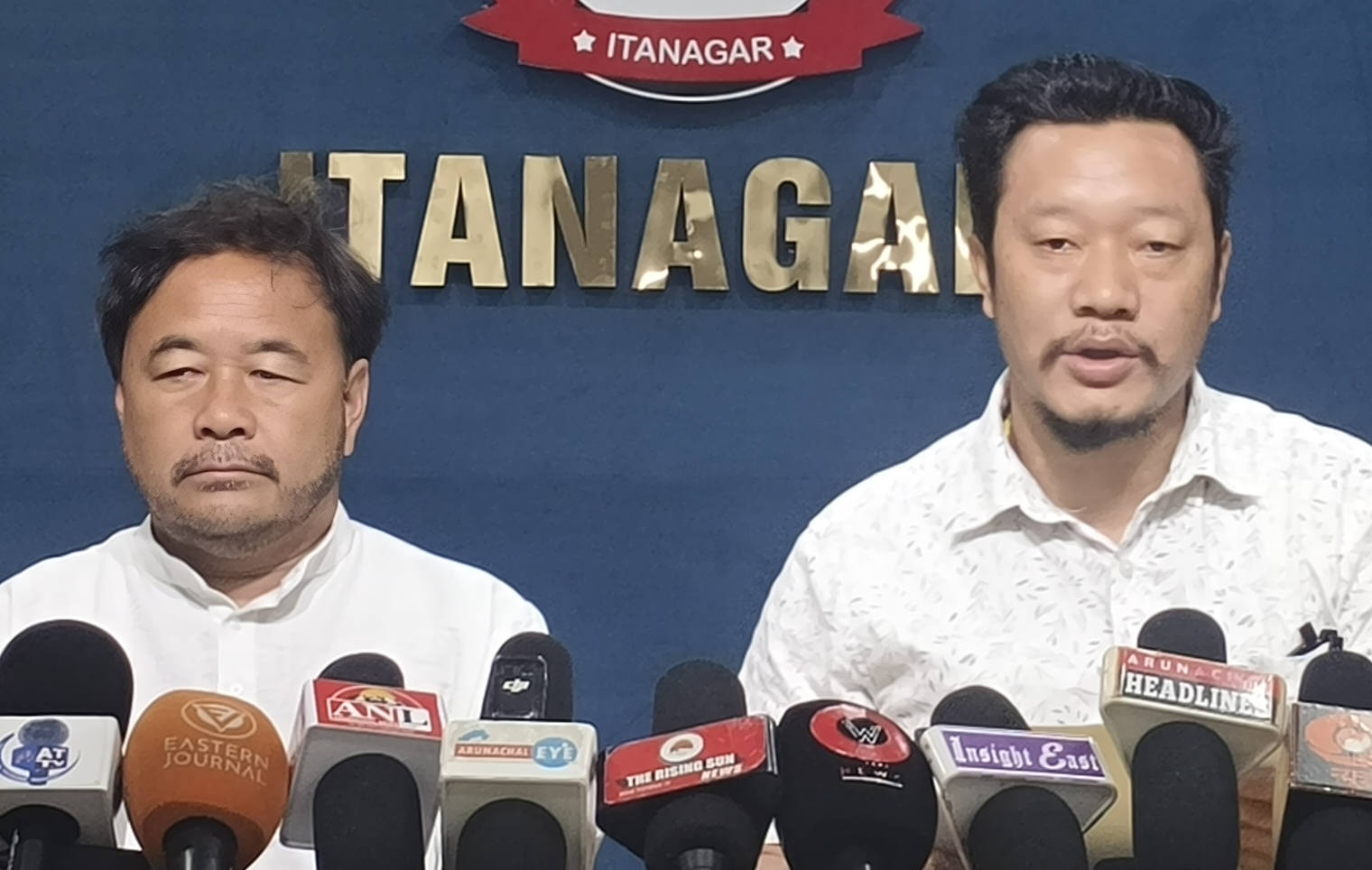
Terming the halting of payment for the casual/contingency workers of various department as unfortunate on the part of state government, president APTUF and Secretary general of AAPWU, Kenkar Yomcha and Tarh Tamans, while addressing journalists at APC, said, casual and contingency workers have been performing their duties with utmost sincerity and dedication and contributing significantly towards the development activities of the state.
The duo organisations stated that around 30,000 casual workers across the state have been awaiting their wages for the last 6-7 months and urged the government to address the issue within the stipulated time frame.
Informing, through commissioner (Finance) they have come to know that disbursement for wages of casual workers has been reportedly halted under various divisions, organisations asserted that such a decision would adversely affect poor and innocent workers depending solely on their daily wages.
“If any appointment or engagement of contingency staff was made beyond the sanctioned strength by the competent authority, then it is not the responsibility of the workers,” said organisations, adding it is totally not acceptable or justified to place the financial burden upon the working community of the state.
Expressing concern over the prolonged delay, they cautioned that if the pending salaries are not released by June 20, they would resort to a “no water and no power supply” movement within the Capital Complex.
The unions further asserted that the workers have been facing severe financial hardship due to non-payment of salaries and called on the state government to take immediate steps to resolve the matter and prevent further escalation of the protest.
The development is likely to put additional pressure on the government, as any disruption in essential services such as water and electricity could significantly impact residents of the Capital Region.


 20
