
KHONSA, Nov 09: An awareness programme on marketing, branding and digital business promotion using Artificial Intelligence (AI) under the PM Vishwakarma Scheme was organised at the District Panchayat Resource Centre, Khonsa, in Tirap district, with the participation of 85 artisans representing various traditional trades and occupations from across the district.
The one-day programme aimed to sensitise traditional artisans about government support schemes and equip them with modern marketing techniques and digital business skills to enhance their livelihoods and expand market opportunities.
The programme commenced with a welcome address by Tokung Pertin, Udyam Mitra, who highlighted the role of government initiatives in strengthening traditional livelihoods and promoting self-employment.
Hinium Takum, Chairman of Niumhi Foundation, facilitated the programme and encouraged artisans to avail themselves of the benefits of the PM Vishwakarma Scheme and other livelihood promotion initiatives to improve their skills, productivity and income.
Pura Pyaro, Assistant Director, MSME Development and Facilitation Office (DFO), Itanagar, briefed the participants on various flagship schemes of the Ministry of Micro, Small and Medium Enterprises (MSME), highlighting initiatives related to entrepreneurship development, employment generation, skill enhancement, credit facilities and enterprise promotion.
A technical session on marketing, branding and digital business promotion using AI was conducted by Rohit Sahu, Team Lead, State Level Project Management Unit (SLPMU). He explained how AI-enabled tools could be used for content creation, product photography, social media promotion and business development. The session also covered branding, product positioning, digital storytelling and customer engagement.
Sahu highlighted market linkage opportunities through e-commerce platforms, TRIFED, exhibitions and trade fairs, besides packaging and branding support. He also explained key provisions of the PM Vishwakarma Scheme, including registration, skill upgradation, toolkit incentives, concessional credit and marketing assistance.
An interactive session was also held to address queries from artisans regarding training, credit facilities, market access and digital marketing.
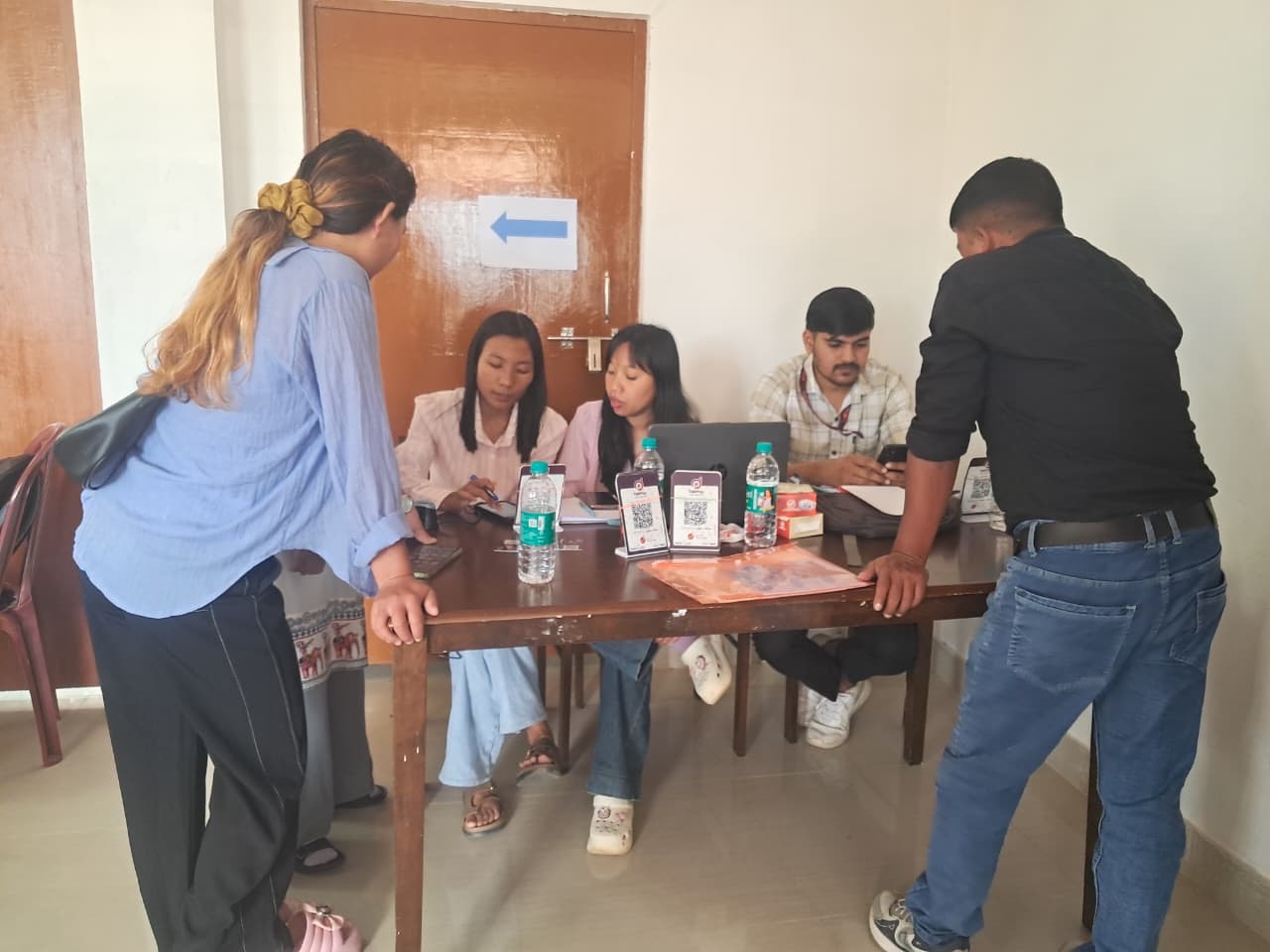
Saurabh Chanda, IPPO, conducted a session on digital financial services, highlighting the benefits of QR code-based payments for artisans and micro-enterprises. He also facilitated on-the-spot registration and onboarding, resulting in the generation of more than 25 QR codes for participating artisans to encourage digital transactions and promote financial inclusion.
The programme provided artisans with insights into government support, entrepreneurship, digital empowerment and emerging market opportunities, encouraging them to integrate traditional skills with modern technology to expand their businesses.
The programme concluded with a vote of thanks by Wangman Wangsu, District Resource Person (DRP), who acknowledged the contributions of resource persons, officials, artisans and other stakeholders towards the successful conduct of the programme. DIPRO


 20
