
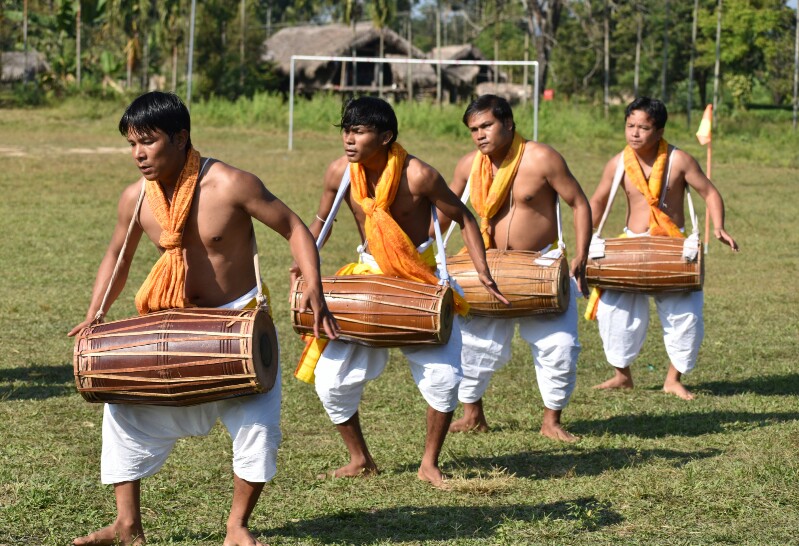
MIAO | Nov 23 | The North East Zone Cultural Centre (NEZCC) in collaboration with state’s art and culture department and Changlang district administration has organised a four-day outreach programme, named ‘Discover North East’.
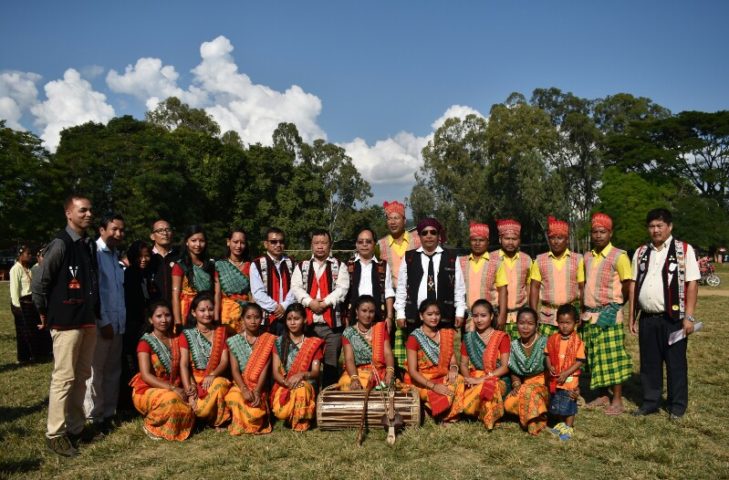
A cultural yatra, inaugurated on Wednesday at Miao by Food and Civil Supplies Minister Kamlung Mossang, as chief guest while Changlang DC Wayong Khimhun was guest of honour.
The programme was held at New Songking village on Thursday while it would be conducted at Kharsang on November 24 and conclude at Bordumsa on Saturday next.
Mossang, in his address to inaugural session, introduced the people, culture and geographical conditions of the state in general and Miao in particular. He said that art and culture was a great medium for bonding people from different places and appreciated NEZCC for selecting Changlang for this year’s programme, which would go a long way in promotion of cultures of different tribes and communities. DC Khimhun also spoke.
NEZCC deputy director Senti earlier gave a brief outline of programmes and activities of NEZCC.
Large number of people thronged the Miao venue to witness the cultural performance by troupes representing Orissa, Himachal Pradesh, Meghalaya, Tripura, Manipur, and Assam. Stick Dance, Thang-TA and Dhol Dholok Cholom dance from Manipur, Gaddi Nati dance from Himachal Pradesh, Bordoishikla and Dahal Thungri dance from Assam, Sambhalpuri dance from Odisha, Mamita dance from Tripura and Harvest dance from Meghalaya enthralled the audience.
The visiting cultural troupes were taken to T.R.Camp to witness the Tibetan carpet weaving there.
Singpho, Tikhak, Longchang and Pangwa were the local troupes presented their dances.
Changlang ZPC Jowkhong Singpho, zddrssing the villagers at New Songking village, said that culture is a way of life and all should strive to preserve and promote it.
Pangwa, Singpho, Longchang and Muklom tribes presented their dance on host side on second day, while the guests showcased theirs. The guests visited a Tangsa home to witness customary and traditional exhibits. (DIPR)


 20
