
Prof. Jayadeba Sahoo
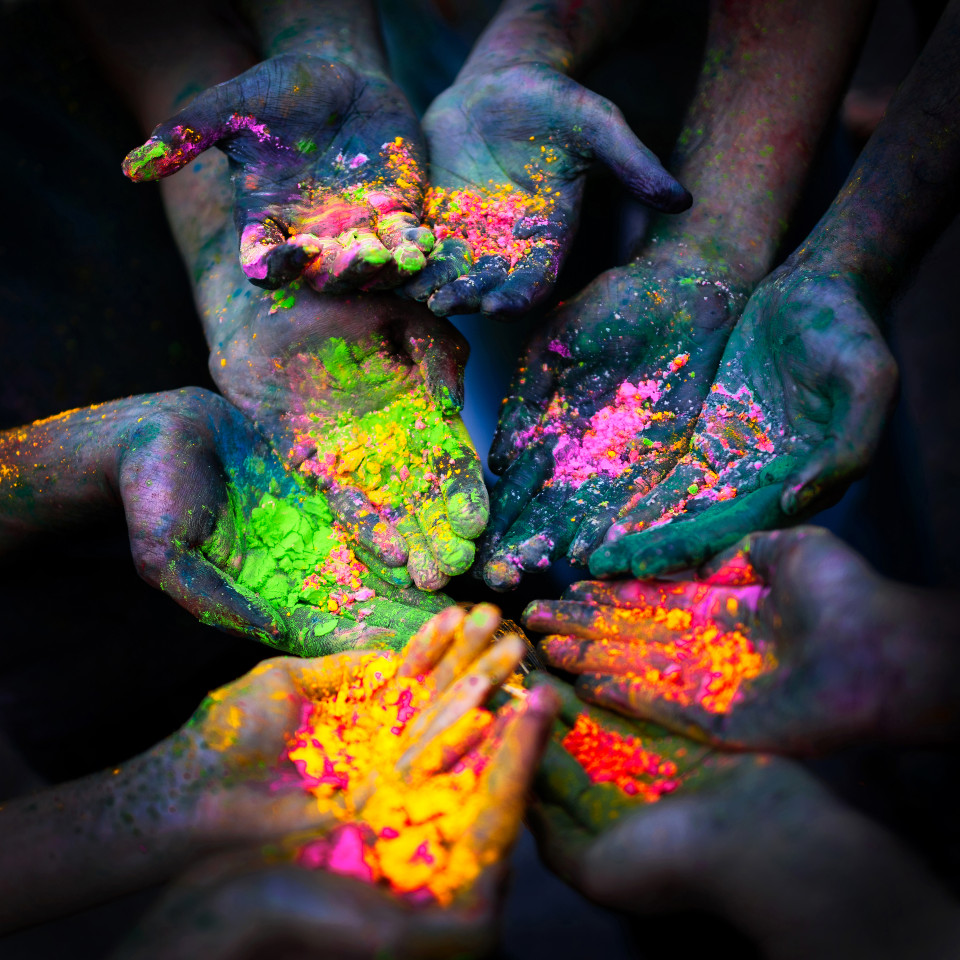
Holi Festival is here again. What better occasion to take a close look at the very interesting deeper aspects of this festival. Also known as Festival of Colours is a celebration of Lord Krishna and god’s creations.
The colorful festival, literally means ‘burning’, is celebrated on full moon day in Phalguna month heralds the onset of spring season. It is the time when people from all social strata come together forgetting all past differences and grievances. Purity is as essential as honesty to justify the end, not the vice-versa. In fact, purity in practice always begets peace and happiness. The festival conveys this universal message to the mankind in many ways.
The story of Prahalad in Vishnu Puran projects ultimate triumph of purity over impurity, goodness over evils and virtues over vices. The legend depicts Prahalad’s devotion to Lord Vishnu and describes his father; King Hiranya Kashyap as an atheist engaged in religious prosecution. The evil father adopts many ruthless routes to dissuade his son from the path of devotion but fails. Finally, the devil king seeks the help of his sister Holika who is blessed by Lord Brahma not to be consumed by fire. She enters a bonfire taking Prahalad on her lap. For misusing the boon, Holika is burnt to ashes, while Prahalad escapes unscathed.
People today, observe and play Holi in gross form and mundane manner without realizing the deeper implications of its rich rituals. By such outward, ritualistic and routine observance, they deprive themselves and society from true spiritual empowerment and enrichment, the objective of the festival.
Vabhishya Puran narrates Devarshi Narad, had spoken very high of Holi to King Yudhistir: “Oh Emperor, on Phalguna Purnima (day of Holi), people of your kingdom should be allowed to have fun and frolic without any fear. Boys should go out and gather sticks for Holika burning in an atmosphere of loud laughter, ha-hola & hymn chanting to destroy the demon. Till date, the effigy of evil Holika is continued to be burnt, Oh King! to annihilate all inimical forces”.
It stands to reason that no physical bon fire of dry sticks can ward off evils or inauspiciousness. Rather, it is the dryness, hardness and harshness of human propensities, which perpetrate pain unto the self and others need to be sublimated in the subtle fire divine knowledge and meditation on god. The practice and promotion of Holy Supreme Communion of self with the Supreme Soul hold key not only to wipe out innate evils, vices and negative traits but also to empower and enrich the self and others with positive qualities, character and conduct.
As per Brahma Puran, if a person in rapt attention makes a prayerful darshan of Purushotham Srikrishna’s idol kept on a swing in the temple on Holi, then assured of a place in Lord Krishna’s celestial kingdom, Vaikunth (paradise). Mention of such rituals in scriptures need to be understood not in their literal sense, but in spiritual essence. Not mere physical glance of Lord Krishna’s idol but regular divine contemplation and meditation on god’s incorporeal point-light image and cultivation his qualities, such as contentment, courage, cheerfulness, detachment, dispassion and determination in life would enable you to eliminate inner impurities and negativities and experience deity like true peace, health, harmony and happiness.
Similarly, chanting of Vedic hymns “Raskhohagam Balgaham” for destroying devils during demoness ‘Holika’ burning and the mention of Holi in scripture asVish Todak (Vice-Demolition) and Punya Praydayak (Merit Giving) Parv, enjoin the observers to desist from demonic thoughts, desires, diets and dispositions. This can be done when you light the inner fire of spiritual wisdom and Raja Yoga meditation (supreme communion) on god by adopting universal values, non vegetarian diet and healthy lifestyle with divine colours of peace, purity, positivity, balance and bliss in life. (The author is Brahma Kumaris faculty & dean, education department RGU)


 20

