
By A O News Service
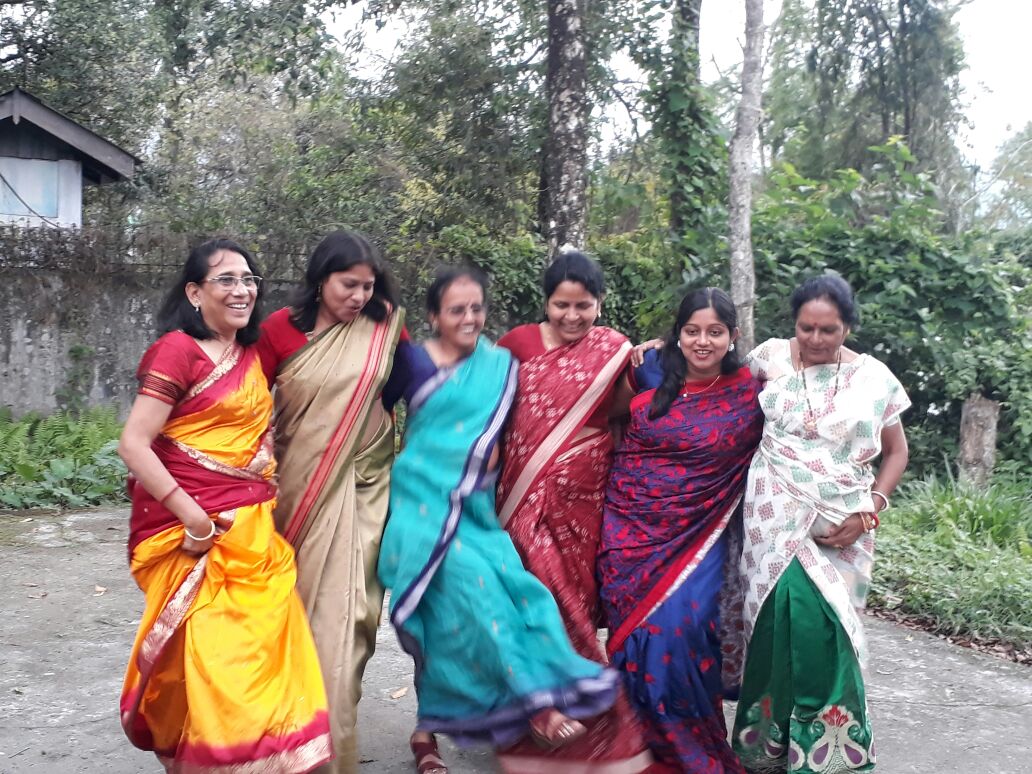
NIRJULI | Apr 15 | Folk lore of Pana Sankranti, Bihu and Lori celebrations rented the air on Saturday to justify Capital Complex as true mini-India.
The Odias led by Arunachal Utkala Sanskritika Parisahd (AUSP) led by president Chabi Nayak & vice president Dr Preeti Sudha Meher celebrated Pana Sankati here, while the Assamesse Bihu throughout Capital Complex and Punjabis Baisakh in Naharlagun gurudwara to mark traditional New Year as the Nyishis celebrated Longte and the Buddhists Shanken festival simultaneously.
All such festivals, including Pana Shankranti are celebration to weave every participant in one thread, like few glasses of water mixed together still remain colourless in tune with time tested traditions of Bharatiya Sanskriti (culture), NERIST director H S Yadav said, in his address.
That is why India stands united today despite being a sub-continent with unparalleled diversity in culture, languages, religions and life styles, he said while greeting the gathering here. “I am blessed being first such celebration after taking over as NERIST director”, he said and wished the soft spoken but committed Odias to continue their tempo to serve the Arunachalee society in which ever capacity they have been working.
The event was celebrated with a difference with melodious songs to respect mother land and mother by young and old with the rest joining in chorus, while women took the lead from all fronts including folk dances.
Pana Sankranti or Maha Bisuba Sankranti is the traditional New Year day festival of Buddhists and Hindus in Odisha, which is first day of traditional solar month of Mesha or lunar month Baisakh. The festival is celebrated with visits to Shiva, Shakti, or Hanuman temples, as the day is considered to be the birthday of Hanuman Feasts and special drinks such as a chilled sweet mango-milk-yoghurt-coconut drink called Pana is shared, a tradition that partly is the source of this festival’s name.
Pana Sankranti is similar to New Year festivals observed by Hindus elsewhere such as Vaisakhi (north and central India), Bhhu (Assam), Pohela Boishakh (Bengal) and Puthandu (Tamil Nadu).
Vaisakhi has been a harvest festival in Punjab – an area of northern India – for a long time, even before it became so important to Sikhs. In 1699, Guru Gobind Singh chose the festival as the moment to establish the Khalsa – that’s the collective name given to Sikhs who’ve been baptized. The story goes that at the festival, he came out of a tent carrying a sword and said that any Sikh prepared to give his life for his faith should come into the tent. Five men disappeared into the tent, and the Guru came out – alone – with blood on his sword. This worried the crowds.
Bihus – Baisakh (in mid-April), Maagh (in mid-January) and Kaati (in mid-October) – are national festivals of Assam and celebrated since ancient times. Bohaag Bihu marks the New Year at the advent of seeding time, Kaati marks completion of sowing and transplanting of paddies, and Maagh Bihu marks the end of harvesting period. Bohaag Bihu is also called Rongaali Bihu or Festival of Merriment, Maagh Bihu Bhogaali Bihu or Festival of Food, Kaati Bihu Kongaali Bihu or Festival of the Poor.
Longte aims at barricading all evil spirits for the humanity live peacefully in it inhabited areas while Buddhists purify their souls with water during Shanken, the Festival of Water.


 20
