By A O News Service
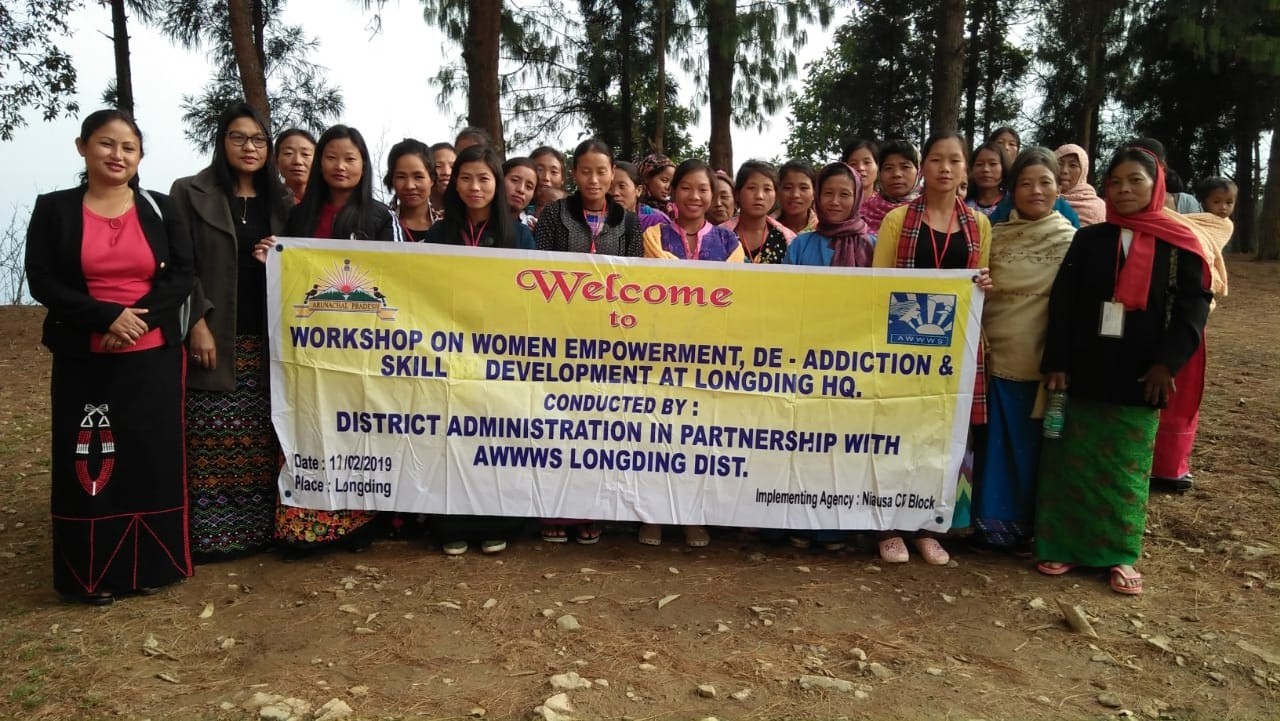
LONGDING, Mar 03: All Wancho Women Welfare Society (AWWWS) braving all odds in remote Longding district along Myanmar border conducted month-long skill development training, de-addiction awareness and block-wise in Longding, Pumao, Kanubari, Poncha-Wakka, Chubam and Mitgong circles recently.
Hundreds of women and students took part in the event which included labour management, particularly institutional delivery by ASHA workers so that the mothers in case of home delivery in the vast hilly district do not fall victims to any disease along with their children, AWWWS president Atha Wangsa told this daily over telephone on Sunday.
The other part was awareness on drug abuse presently threatening the younger generation due to availability of drugs as the district is located near Golden Triangle in Myanmar, the infamous drug hub of South East Asia, she said, adding the participants were acquainted with the use and abuse of social media, mandatory marriage registration through slide shows for their proper understanding.
Though Chubam recorded lowest 112 participants but in all circles women in large number made a beeline and delivery kits were distributed free during the concluding event at Mitgong.
As the AWWWS has been making various endeavours to empower the rural womenfolk though its various activities, district administration collaborated with AWWWS I for this event, she said.
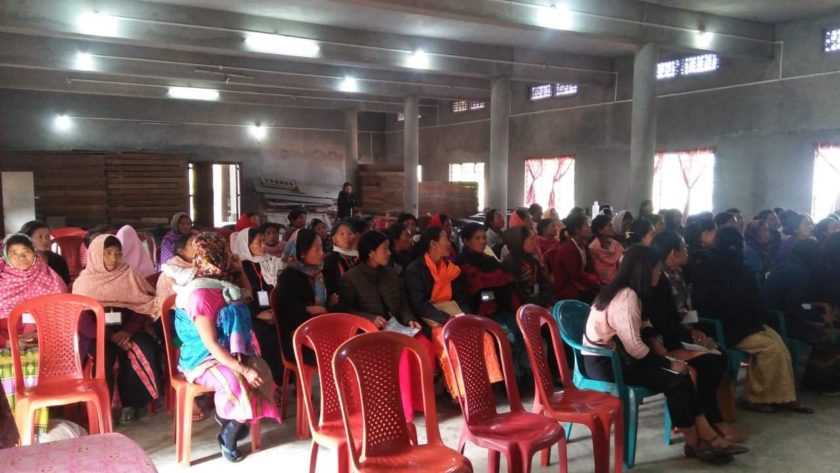
Pointing out that Dr. Wangnai Wangsu, Dr. Langam Wangsu, Dr. Taingam Wangsu, advocates Wangtan Wangsu & Epha Wangpan, GNMs Chajing Wangsu, Karuna Chowria and C. Lowang were resource persons, she informed that practical demonstration on first aid was given at district HQs Longding.
As majority population depend on agriculture, particularly jhoom or shifting cultivation, the awareness included tips to protect oneself in case of snake or poisonous inspect bite and minor accident, she informed.
More such initiatives are need of the hour as the poor people, particularly women, of the district are far away from the hustle bustle of modernity and live with nature to fend for themselves through traditional practices.


 20