
By A O News Service
NAHARLAGUN, Sept 09: The pain & palliative department (PAD) is an appreciative addition to Tomo Riba Institute of Health and Medical Sciences (TMIHS) though such department in hospitals of western countries is very common but an emerging branch of treatment in India.
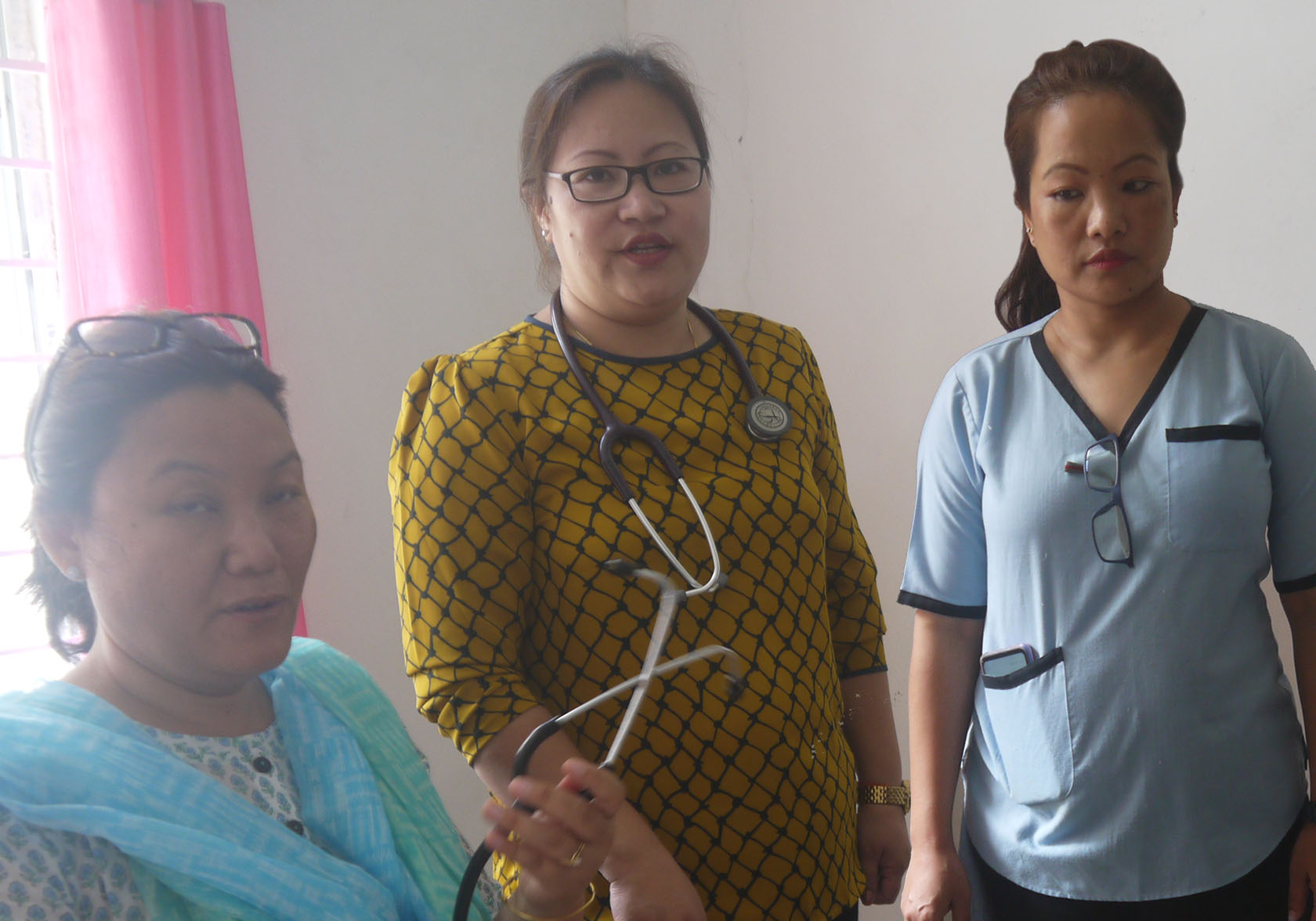
This was stated by PAD state nodal officer-cum-TRIMHS HoD Dr Tashi Choten, adding the department has a specialist Dr Hage Sonia (pain & palliative) and trained Nurse Jully Bage.
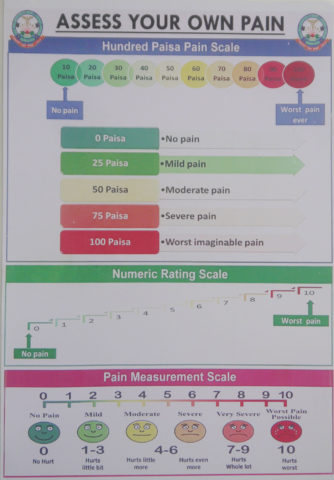
Pointing out in an exclusive interview to this daily on Monday that cancer is a very painful disease, she said that pain & palliative is a multidisciplinary treatment covering physical, psychological, social and spiritual treatment as every patient has a right to have dignified death. Ten patients approach for treatment weekly, she said while the poster in her chamber is self explanatory.
New Delhi-based All India Institute of Medical Sciences (AIIMS) has introduced MD course (pain & palliative) by incorporating the subjects in first year syllabus underscoring the importance given to this branch of medicine by central government, she said with conviction.
Dr Soina pitched in to add that cancer patient need emotional treatment too. Their attendants and family members are given proper guidance on how to deal with the patients to offer relief, she added.
Interestingly, WHO defines palliative care as an approach that improves the quality of life of patients and their families facing the problem associated with life-threatening illness, through the prevention and relief of suffering by means of early identification and impeccable assessment and treatment of pain and other problems, physical, psychosocial as well as spiritual. However, palliative care for children is the active total care of the child’s body, mind and spirit, and also involves giving support to the family. It begins when illness is diagnosed, and continues regardless of whether or not a child receives treatment directed at the disease. It can be provided in tertiary care facilities, in community health centres and even in children’s homes.


 20
