
By Pradeep Kumar
NAHARLAGUN, Mar 01: Executive (Government), Legislature (Parliament & State Assemblies, etc) and Judiciary (Supreme Court, High Court & other judicial centres) are three pillars of democracy. The elected members frame laws to govern the people which make the Parliament & State Assemblies the ‘Temple of Democracy’.
How the ‘Temple of Democracy’ (State Assembly) performs in Arunachal Pradesh is a billion dollar question as state assembly sittings has been for very few days.
Article 174(1) of Indian Constitution reads: “The governor shall from time to time summon the house or each house of the legislature of the state to meet at such time and place as he thinks fit, but six months shall not intervene between its last sitting in one session and the date appointed for its first sitting in the next session.”
This mandate of the Constitution seems to have been misused by many states, which legally allows them to meet for as few as two sessions in a year. What is more misused is what the Constitution does not mention: the minimum number of days that state assemblies must meet for in a year. However, many assembly sessions last for only one to two days.
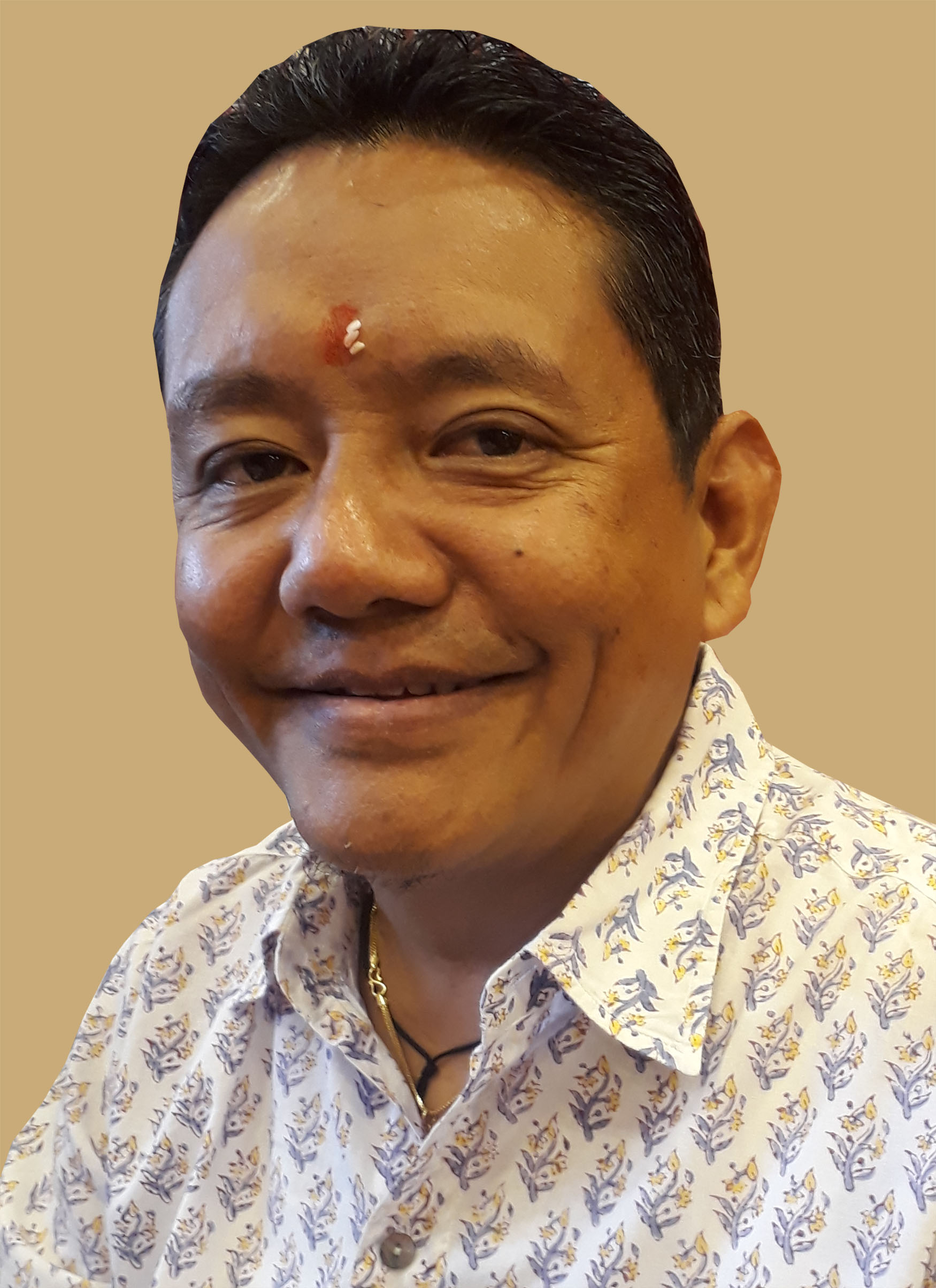
Thus, present Speaker Passang Dorjee Sona has convened nine-day budget session from Monday, the longest ever Assembly session of the state.
Responding to questions here on Sunday, Sona said that most of the newly elected MLAs are young, dynamic and knowledgeable for which he wanted to give adequate time to them to take part in threadbare discussions on important issues as all leaders represent the state not their Assembly constituency alone.
Many members do not get adequate chance during brief session for which he had convened the longer session in consultation with Chief Minister Pema Khandu which, who knows, could help surface many hidden talents with creative ideas.
Besides the budget, question hours, private member’s resolution, short hour discussion are the business of the house and the number of days depends on the business, he said, adding that this Budget session may not continue for the period convened and might get adjourned early, he added.
Among state assemblies, only Nagaland and Arunachal Pradesh sat for fewer days than Haryana. In the same period Kerala Assembly sat for an average of 50 days per year, while Tamil Nadu Assembly sat for 44 days. In its previous term, the Gujarat Legislative Assembly sat for a total of 157 days – an average of 31 days each year. Similarly, the current Goa Legislative Assembly sat for 24 days in 2012 and for 39 days in 2013.
Over the last 10 years, the Assembly sat for an average of 26 days a year. It recorded the highest number of sitting days in the last 10 years, at 39 days.
In most states, Bills are passed with little or no discussion. Most bills are introduced and passed on the last day of each session, which gives members hardly any opportunity to examine or discuss legislation in detail. Unlike Parliament, where most bills are referred to a department related standing committee which studies the bill in greater detail, in most states such committees are non-existent. The exceptions are Kerala which has constituted subject committees for this purpose and states like Goa and Himachal Pradesh where select committees are constituted for important bills. The current Haryana Assembly has passed 129 bills, all of which were passed on the same day as they were introduced.
Upto 23 Bills were passed on a single day, which left hardly any time for substantial discussion. In the 12th Gujarat Assembly, over 90% of all bills were passed on the same day as they were introduced. In the Budget Session of 2011, 31 bills were passed of which 21 were introduced and passed within three sitting days. Of the 40 bills passed by Goa Assembly till May 2013, three bills were referred to select committees. Excluding appropriation bills, the Assembly passed 32 Bills, which were taken up together for discussion and passing in five days. Almost all bills were passed within three days of introduction.
On average, each bill was discussed for four minutes. In 2012, West Bengal Legislative Assembly passed total 39 bills, including appropriation bills. Most bills were passed on the same day they were introduced in the Assembly. In 2011, a total of 23 bills were passed. On average, five members participated in the discussions on each Bill. In 2012, Delhi Legislative Assembly passed 11 bills. Only one of the 11 bills was discussed for more than 10 minutes. The performance of Chattisgarh and Bihar Assemblies follow the same pattern.
Over the last few years, some assemblies such as Andhra Pradesh, Rajasthan and Haryana have taken some positive steps which include setting up subject committees and permitting live telecast of Assembly proceedings. Every legislator- in Parliament and the states – is accountable to his voter. Weak democratic institutions deprive legislators of their right to oversee the Govt as enshrined in the Constitution. Inadequate number of sitting days, lack of discussion on bills, and passing of the budget and demands for grants without discussion are symptoms of institutional ennui and do not do justice to the enormous import of these legislative bodies. Serious thought and public debate is needed to reinvigorate these ‘temples of democracy’ and provide elected representatives with the opportunity to exercise their right to legislative scrutiny, hold government to account, and represent their constituents.
The number of state assembly sittings in India in recent times is abysmally low. While some states are doing relatively better, such as Kerala, which met for 151 days (across five sessions) in 2017, states such as Gujarat, Karnataka, Uttar Pradesh and Delhi met for only 33, 40, 17 and 21, respectively in 2017, reports former LAMP fellow Nidhi Tambi.


 20
