
Beyong the Horizon
By Pradeep Kumar
Journalism, particularly electronic, is very in-secured with ‘do or die’ as survival mantra. Thus, many while even rising in their career graph never hesitate to quit and join any secured job. This profession is neither well paid, nor rewarding in small states like Arunachal Pradesh where media awareness on challenges of the job is poor.
A Face in the Crowd
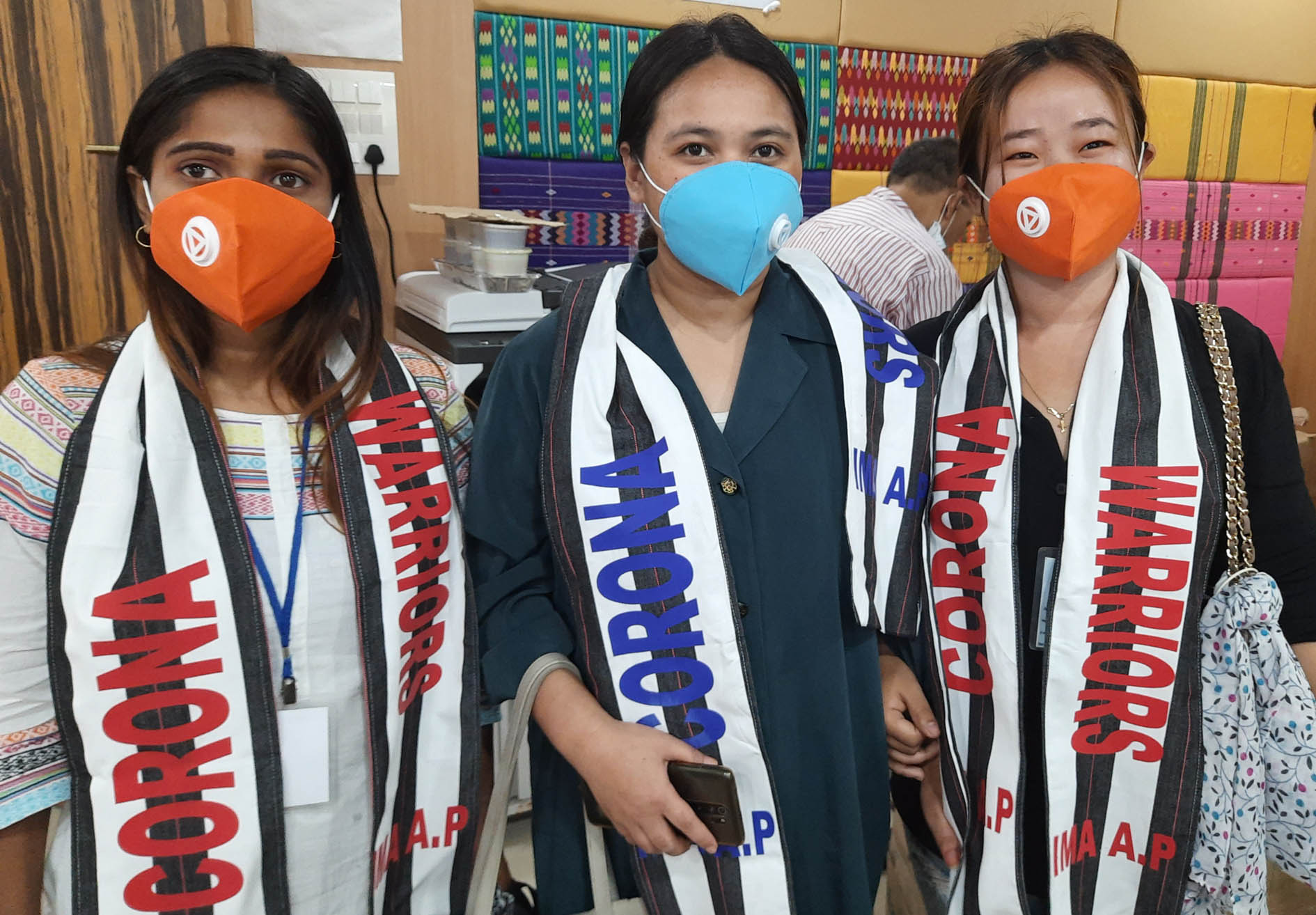
This profession demands commitment and hard work to survive on the face of cut-throat competition. Still many dare to jump into to this profession for various reasons. Many young electronic journalists, particularly girls, were covering national Doctors’ Day celebration by state branch of Indian Medical Association at Naharlagun health directorate on Wednesday. Few new faces, namely Minu Piyasng, Jugi Rekha of Raga in Kamle district and Dopi Hira of West Siang district HQs Aalo, drew my attention after they were felicitated by IMA as COVID warriors.
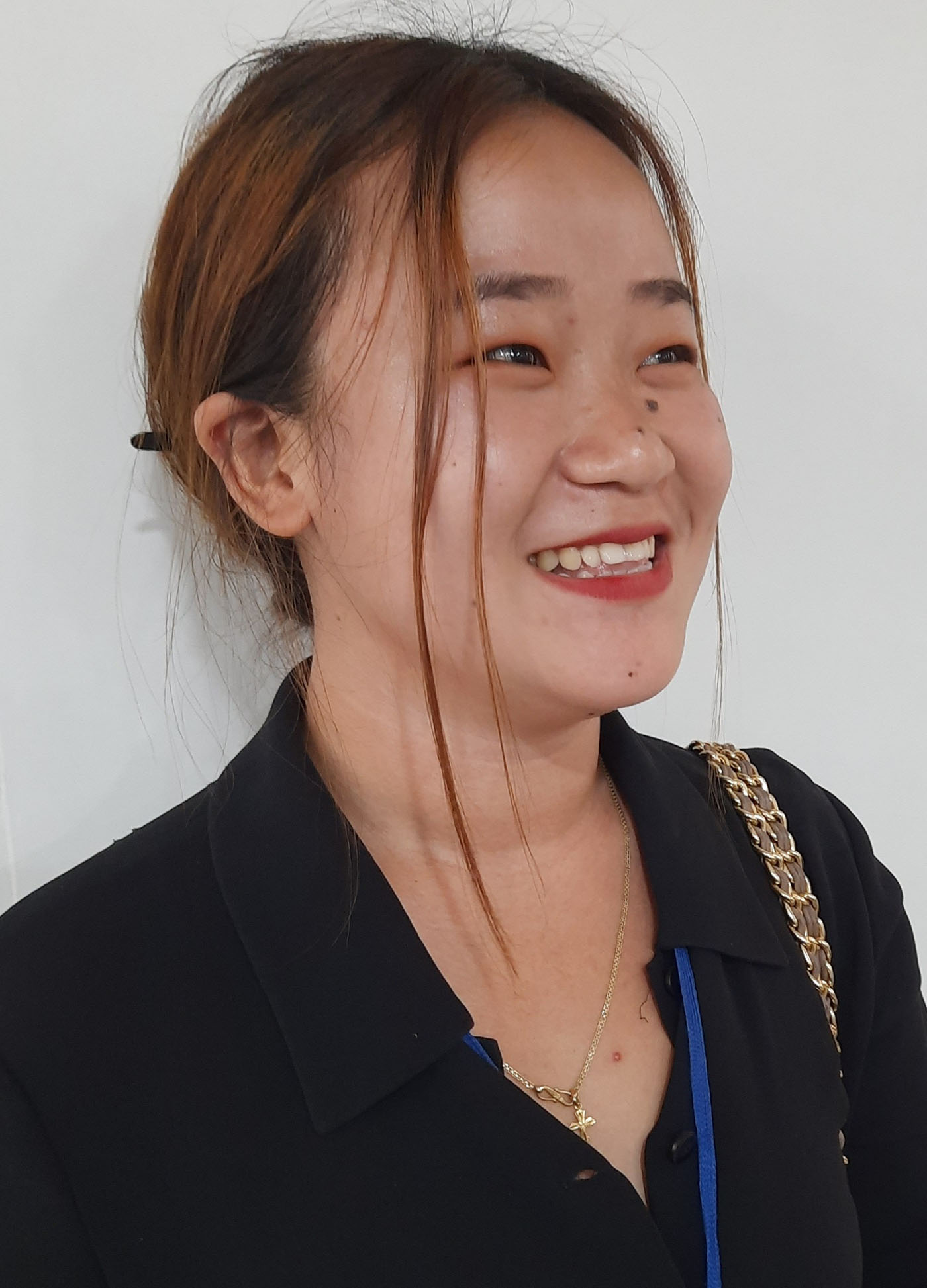
Interestingly Minu hails from Talamiyang, last village in Indo-China border in Shi-Yomi district, but presently living in Lekhi village. She passed class-XII from Konkar Nallah Govt HS School and pursued a three-year degree in media entertainment and film technology from Institute of Technology & Future Management Trend, Chandigarh before returning home to become an electronic journalist.
Ever smiling Minu has a ready reply for any question that reflects her inherent talent to rise in her career for she intends to pursue higher education.
There are many Arunacahalee girls who have been pursuing careers in electronic media as was highlighted by me in “Self belongingness makes Arunachalees ‘homeward ho’, in this column in 08.11.19 edition of this daily. It was about half a dozen young Arunachalee women including senior reporter Roshni Perying working with states first Hindi channel Capital News set up by CMD Toko Tacho.
Arunachal Pradesh saw birth of print media with launching of Echo of Arunachal, first English weekly by me on 20.02.1988, 167 years after birth of India’s vernacular press (Hicky’s Bengal Gazette or Original Calcutta General Advertiser on 29.01.1780 by James Augustus Hickey from Calcutta (now Kolkata). The while electronic media was born with All India Radio station functioning from type-IV quarters in Naharlagun since 01.04.1986 wher I worked ans an anchor and DDK programme production centre inaugurated by Union I&B Minister Purna A Sangma on 05.12.96.
But the turning point had come with Taro Chatung launching News and Views through Doordarshan in 1999 to earn the sobriquet ‘father of electronic media’ of the state as he had pursued journalism after quitting his service as circle officer in 1988. Regrettably, he left for his heavenly abode on 26.10.19 in TRIHMS.
But electronic channels of late have been booming even without obtaining registration from Union I&B Ministry and getting affiliated with Arunachal Press Club and Arunachal Electronic Media Association. Article 19 (1) (a) of Constitution of India guarantees its citizen, the right to “Freedom of speech and expression”. The press is an indispensable pillar of democracy which purveys public opinion and shapes it. Thus, the fundamental objective of journalism is to serve the people with news, views, comments and information on matters of public interest in a fair, accurate, unbiased and decent manner and language for the parliamentary democracy to flourish under the watchful eyes of the media. Media not only reports but acts as a bridge between the state and the public by adhering to ethics prescribed by the Press Council of India.
The electronic of print houses which violate press ethics are not explainable to any authority. But many young Arunachalees following Chatung legacy, few even after pursing journalism outside the state, may not be aware of such violation. But those launching such media houses should invariably honour Pres ethics for genuine growth of journalism in this under developed state.


 20
