RONO HILLS, July 05: Stressing on waste management processes and water conservation in the RGU campus, vice chancellor Prof. Saket Kushwaha has suggested collaboration and engagement with the community and the Govt to reduce carbon footprints for clean and green environment.
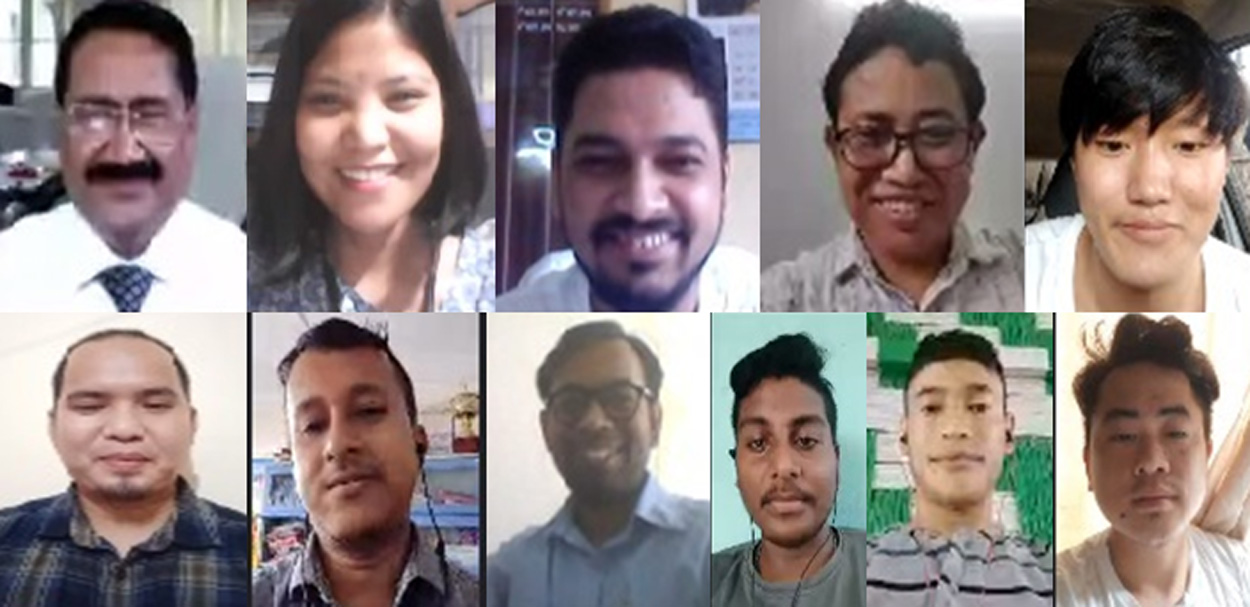
In his inaugural address to day-long online workshop for NSS volunteers on ‘swachhta & jalshakti’ on Saturday, conducted by NSS Cell, in collaboration with Mahatma Gandhi National Council of Rural Education of Union MoHRD, he highlighted key points, namely clean & green environment, energy conservation and water conservation, of sustainable development goals, and pinpointed RGU mission on waste management and water conservation.
He also advocated team formation and standard operating procedures to fix responsibility on those involved, including NSS volunteers
The workshop aimed at introducing swachhta and jalshakti aspects to campus dwellers and enable higher educational institutions to work with rural and urban Indian people to identify development challenges to evolve appropriate solutions for speeding up sustainable sanitation and water management. Creating virtuous cycles between society and an inclusive academic system by providing knowledge and practices for emerging professions was other objective of the event.
The workshop coincides with 150th birth anniversary celebration of Mahatma Gandhi, NSS programme coordinator Dr. Anil Mili told the participants, adding sanitation is more important than independence.
Pro-VC Prof. Amitav Mitra also spoke while social work department HoD (i/C) Dr. Kaushalendra Pratap Singh called for a systematic approach involving all stakeholders for a clean campus.
Resource persons John Gaingamlung Gangmei discussed on formation of swatchhta and jalshkti group; social work assistant Prof Ravi Ranjan Kumar on jalshakti said that the WHO says that an individual requires around 25 liters of water daily for basic hygiene and food. The 2018 Composite Water Management Index report of NITI Aayog highlighted that 21 major Indian cities are racing to reach zero groundwater level by 2020.
NSS programme officer Bhaskar Jyoti Chutia, in his concluding remarks, announced to form groups and conduct online sessions on various issues in future, according to a RGU release.


 20