
Evil spirits barricaded for safety of humankind
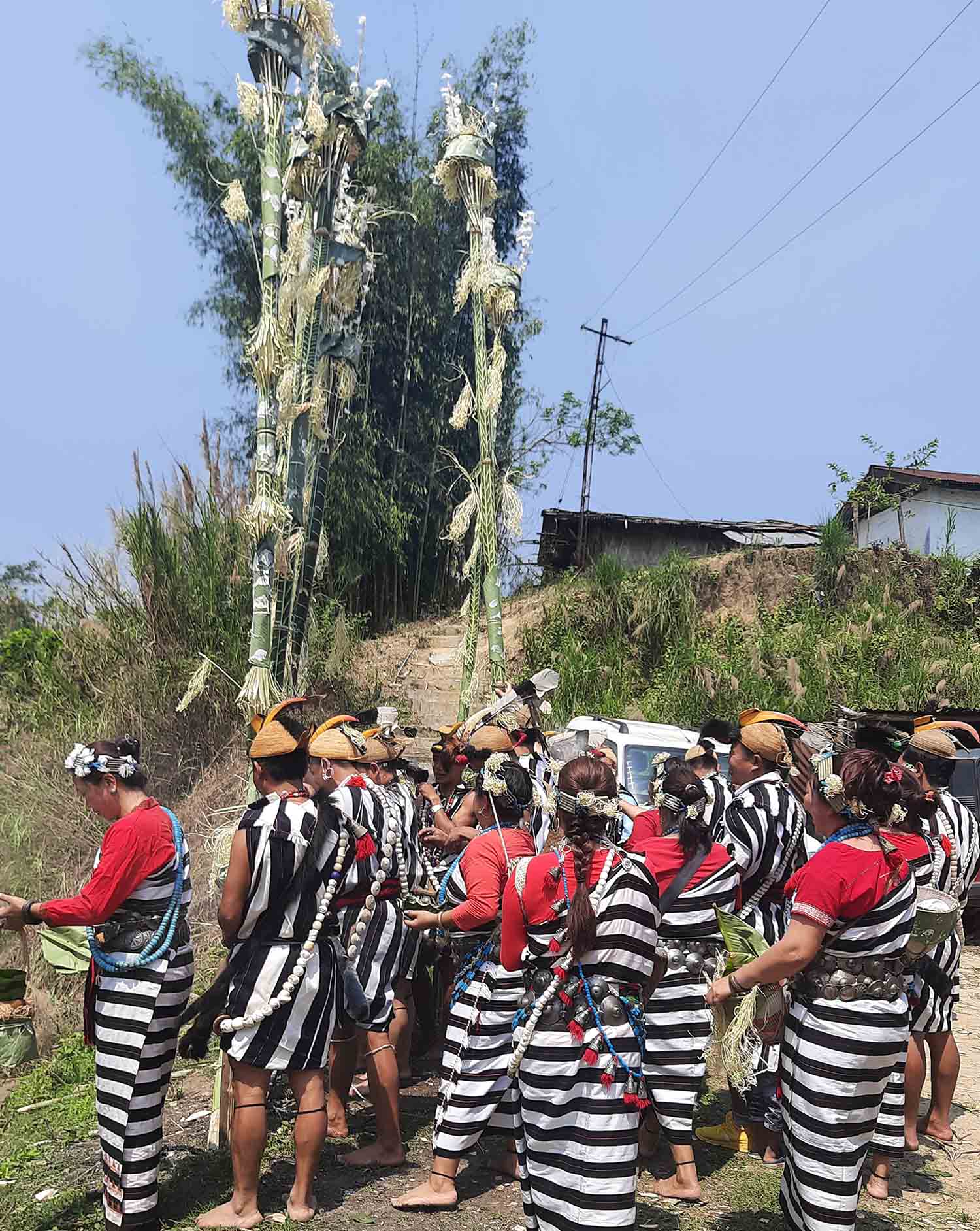
NAHARLAGUN, Apr 05: The Nyishis, the largest community of Arunachal Pradesh, celebrated Longte festival in Rakap Colony here on Monday to demarcate the domain of malevolent (evil) spirits by barricading them from all benevolent souls of human inhabited areas, their animals and cultivated fields to live in peace without any interference by the evil spirits.
Myth has it that Abo-Tani, the ancestors of the early human beings, had to struggle for survival amidst hostile surroundings and malicious spirits, responsible for misfortune, accidents, diseases and miseries. Thus, Longte was celebrated by the community by performing rituals to erect typical fencing to demarcate the domain of the malevolent (evil) spirits to barricade them from the benevolent souls.
The practice underscores the importance of festival as every living being has a spirit, which leaves the mortal body, to either become good or bad spirit depending upon the works he/she did when alive. The tribal communities also believe in such life philosophy. The human beings through this festival had to strike a golden mean for their survival for which they started Longte festival, said celebration committee patron Raman Sangha.
Highlighting the genesis of the festival which dates back to migration period of the human beings, Raman termed it as a festival of humanity without any bloodshed for bumper crops without any pre- and post-celebrations.
“No one knows when the festival was celebrated first, the way human history has not recorded date of birth of Lord Krishna and Lord Jesus. But it is celebrated in any day either in April or May without any distinction. It is our culture not religion as there is no religion without any culture. Thus, any effort to belittle the festival will not be tolerated,” he said without mincing any words.
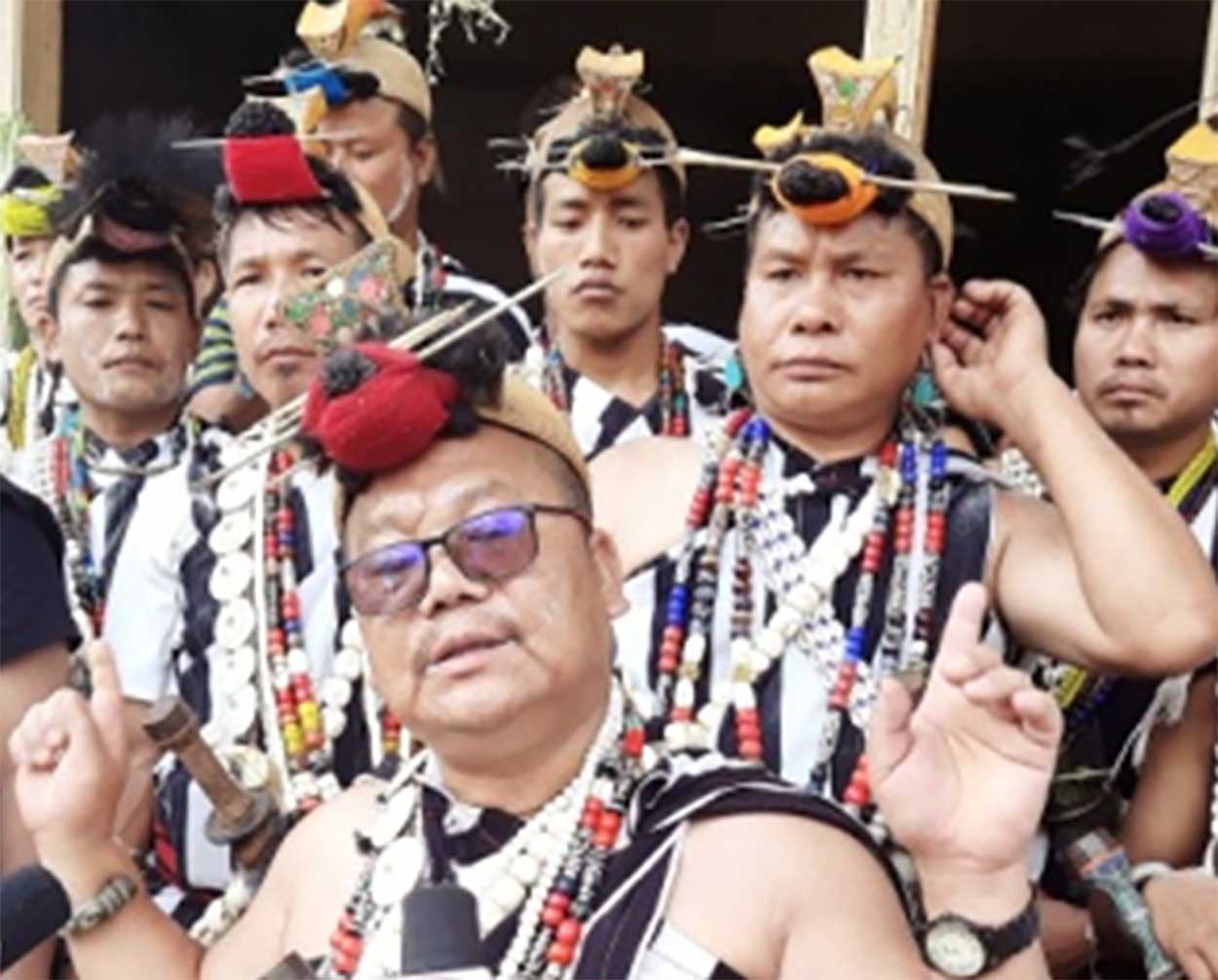
Flanked by committee chairman Sangha Tape, secretary Sangha Gungte and Sangha Choba, Raman, an accounts officer of NEEPCO, said that he was instrumental in celebrating the festival first in Capital Complex when Nabam Tuki was chief minister.
The festival, organized by Sangha clan, will be continued with greater enthusiasm in future, former panchayat leader Sangha Tagik said.
Ethnic-rich Arunachal Pradesh is known for its unique cultural heritage with each of the major and minor tribe known for its ek se bad kar ek festivals. Ceremonial sacrifice to appease the nature gods and goddesses are distinct part of the celebrations of each festival. But, this being the only bloodless festival makes a huge difference.
It is worth recalling here that at the initiative of then Koloriang lawmaker Chera Talo, first ZPM Chelo Tatup and PI Bengia Tarak, first community level celebration of the festival had begun at Pingang and Taipa villages of undivided Lower Subansisri district in 1975. However, Nirjuli has been hosting the festival at Nyikum Niya ground since 2011.
Without denying the tell-tale impacts of modernity on state’s rich traditions, Raman exhorted the younger generations to rise to the occasion to protect and preserve the anokha dhrobar, (unique sanskriti) lest the future generations blame us.
Ramesh Menon in – The influence of spirits – in India Today’s 30.11.88 edition had written: Arunachal Pradesh’s over 100+odd tribes continue to cling to their ancestors’ world view: Human lives are governed by spirits, which can be malevolent or benevolent. The only person who can mediate with spirits is the dandai (priest).
The incantations and often grisly rites of dandai hold total sway in Arunachal Pradesh. Faith still transcends everything and no one questions age-old beliefs. The state’s tribes continue to cling to their ancestors’ world view that human lives are governed by spirits.
“Tribals in Arunachal are traditionalists and so modern waves of change have not affected them much. Because of their beliefs and superstitions they are made out to be primitive, but aren’t the bulk of Indians superstitious” –anthropologist Parul Chandra Dutta had questioned once?
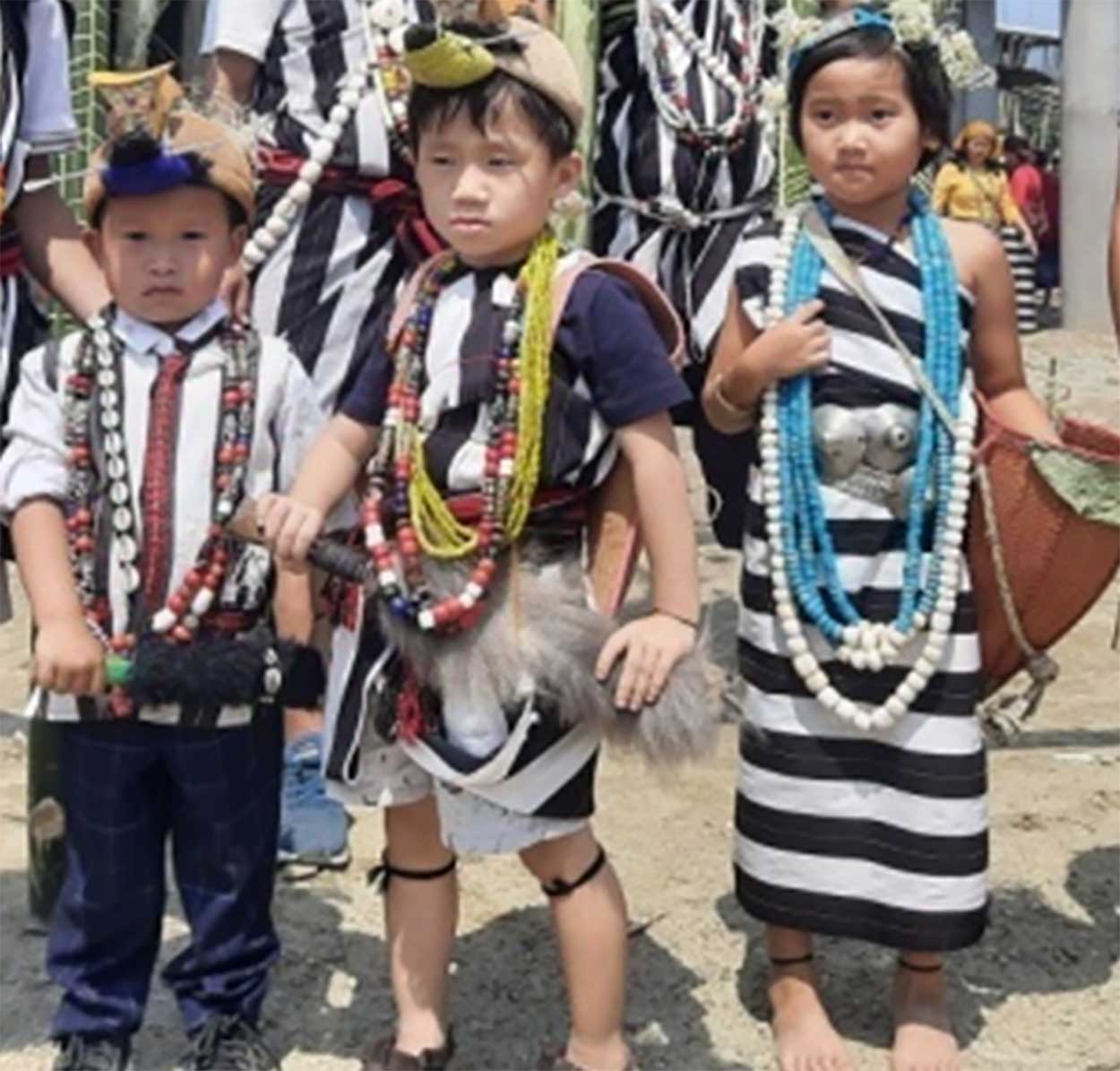
“A tribal in Arunachal Pradesh would find it difficult to conceive life without the dandais – so dominant is their influence. As life for many of us would be unimaginable without a dandai,” said IT expert Rongsa Tadar, who has returned recently from Bangaluru where he was working with many MNCs. Thus, the elders are zealously protecting their time-tested traditions and encouraging younger generations to adopt it conscientiously.


 20

