
Beyond the Horizon
By Pradeep Kumar
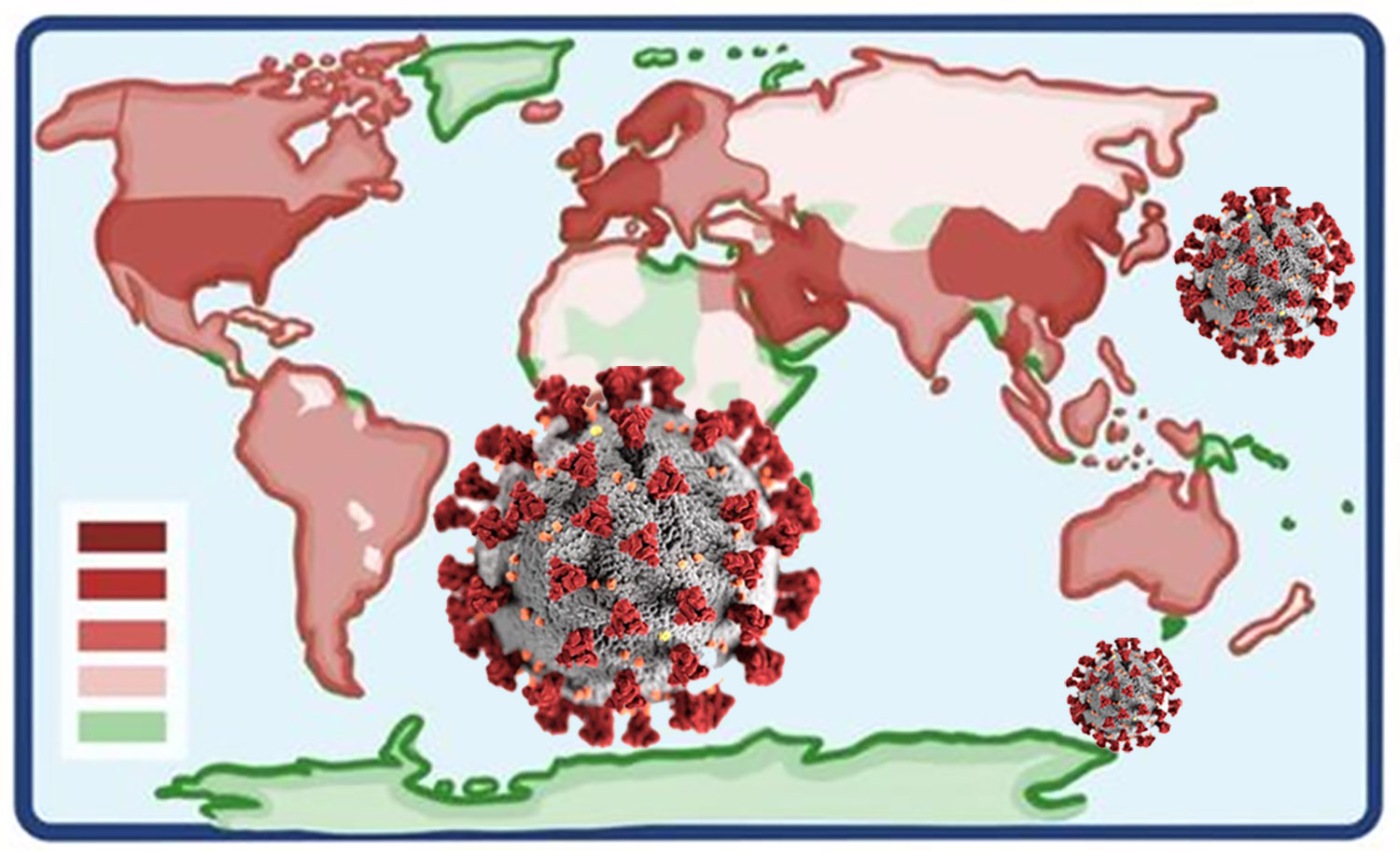
This deadly and contagious SARS-COV-2 virus, named as COVID-19 and declared as global pandemic by World Health Organisation (WHO) in March last year, is not the first virus confronting humanity.
COVID-19 has not only disrupted the lives of millions of people, but also taken a toll on their health and physical fitness. While some have escaped the wrath of the deadly virus, others are either still battling it or are struggling with post-COVID complications.
Until today, India recorded 196,427 new COVID-19cases in last 24 hours taking the tally to 26,948,874, number of active cases went down by 1,33,934 reaching 25,867,782, while 3,511 deaths raised the total toll to 3,07,231 till 8 am on Tuesday, according to Union health ministry.
Smallpox, cholera, tuberculosis, influenza or flu, and human papillomavirus (HPV) recorded huge deaths across the world during 1796 to 2014. the first vaccine ever was developed by Dr Edward Jenner against the deadly smallpox virus in 1796 before the oral vaccine emerged in 20th century, even though evidence exists that Chinese employed smallpox inoculation even prior to that the practice spread to Africa, Turkey and then to Europe and America.
The US Food & Drug Administration (FDA) in December 2014 approved a vaccine (Gardasil) to protect females between the ages of 9 through 45 years of age for prevention of cervical, vulval, anal, oropharyngeal and other head and neck cancers and approved for males between the ages of 9 and 15 against nine strains of HPV. As of 2017, 71 countries include it in their routine vaccinations, at least for females and it is on WHO list of essential medicines besides 25 different preventable vaccines.
In December 2019, the novel coronavirus was assumed to have emerged from Wuhan Institute of Virology (WIV), Wuhan city of China where Chinese scientists were reportedly experimenting under its biological weapons programme against which Sunday Guardian on May 19 published evidence although global debate on the issue is still on.
Numerous coronaviruses have been known since first discovered in domestic poultry in the 1930s with respiratory, gastrointestinal, liver and neurologic diseases in animals as prime cause. Only 7 coronaviruses are known to cause disease in humans, according to experts. Most frequently caused symptoms of four of seven coronaviruses is common cold. The 229E, OC43, NL63, and HKU1 coronaviruses cause common colds in about 15 to 30% cases. Rarely, severe lower respiratory tract infections, including bronchiolitis and pneumonia, can occur, primarily in infants, older people, and the immunocompromised.
Three of the 7 coronaviruses cause much more severe, and sometimes fatal, respiratory infections in humans than other coronaviruses and have caused major outbreaks of deadly pneumonia in the 21st century:
- SARS-CoV-2 is a novel coronavirus identified as the cause of coronavirus disease 2019 (COVID-19) that began in Wuhan, China in late 2019 and spread worldwide.
- MERS-CoV was identified in 2012 as the cause of Middle East respiratory syndrome (MERS).
- SARS-CoV was identified in 2003 as the cause of an outbreak of severe acute respiratory syndrome (SARS) that began in China near the end of 2002.
These coronaviruses that cause severe respiratory infections are zoonotic pathogens, which begin in infected animals and are transmitted from animals to people. SARS-CoV-2 has significant person-to-person transmission. COVID-19 is a disease caused by SARS-CoV2.The virus is transmitted via respiratory droplets and aerosols from person to person. The inhaled virus likely binds to the epithelial cells in the nasal cavity and starts replicating, during which stage the virus can be detected by nasal swabs.
Even when the viral burden is low, these individuals are still infectious. The virus further propagates down to the respiratory tract along the airways and a more robust innate immune response is triggered. For about 80% of the infected patients, the disease would be mild and restricted to the upper respiratory tract, unfortunately in about 20% patients, the disease will progress to cause infiltration of the lungs resulting in acute respiratory syndrome (ARS) which is one of the serious symptoms of the disease. While no one is immune to the disease including children, elderly individuals and those with medical problems such as diabetics and those on immunosuppressant drugs have high risk to develop severe symptoms and associated mortality.
The virus is said to be continuously changing in its form and mutating, which explains the fall out of many therapies from the covid treatment protocol, which initially showed some benefits since the start of the pandemic. So far there has not been any definitive treatment and steroids appear to be the only drugs that have proven to be lifesaving despite its many side effects, as per treating physicians.
Though many nations claimed to have invented drugs, many top ranking doctors world over gave contradictory opinions. Hence, it would be prudent to wait and watch while ensuring adherence to strict COVID protocol by wearing face masks, maintaining hand hygiene and social distancing. (With inputs from senior doctors)


 20

