
By Pradeep Kumar
Six minor girls were shockingly paraded naked in Baniya village, 50-km from Damoh district HQs in Bundelkhand region of Madhya Pradesh, on 07.09.21 as part of a ritual to please rain god to get relief from drought-like situation, agency reported quoting officials.
Two videos of the incident became viral. Girls, aged around 5, without clothes are seen walking side by side with a wooden shaft resting on their shoulders with a frog tied to it while a group of women behind them singing bhajans is seen in one video clip. Other video clip shows some women telling the videographer that they believe this ritual will bring in rain which is being performed as paddy crops are drying up for want of rain.
National Commission for Protection of Child Rights (NCPCR) has sought a report from Damoh administration on the incident.
The police after receiving information launched investigation and action would be taken if it is found that girls were forced to go naked, Damoh SP DR Teniwar said while highlighting about the ritual.
Parents of these girls were also involved in the ritual, but none of complained about it, Damoh collector S Krishna Chaitanya said, adding a report would be submitted to the NCPCR.
Had the ignorant villagers known that Raag Malhar rending could bring rains, they would not have performed the ritual by disrobing own minor girls.
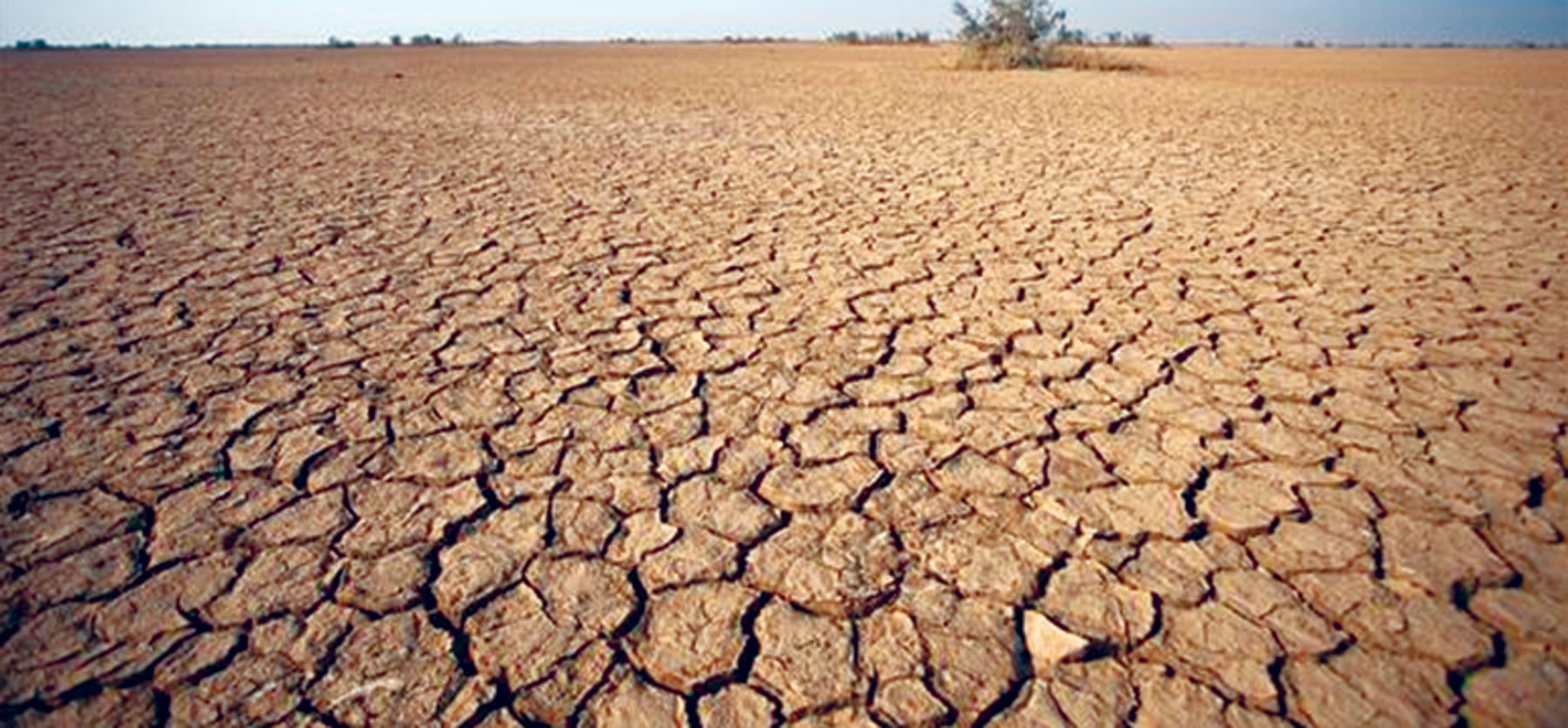
When the earth cracks, the tree leaves turn yellow and all living beings on the earth cry for water after a very warm summer, Raag Malhar, a monsoon raga, is rented as a prayer to rain god that brings life and a message to all human beings to be more respectful and conscious of how precious this element is to us and to life on earth.
Its name is derived from Sanskrit words mala and hari and legend has it that medieval era and even earlier musicians, like Miyan Tansen, his son Bilas Khan, Meera Bai, Baiju Bawra & Baba Ramdas used to rend this raag having capability of bringing rains.
Indian classical music tradition features numerous references to meteorological events that dominate seasonal rhythm of civil society, particularly annual monsoons. The monsoon winds blowing from the southwest in summer and the northeast in winter bring life-giving rain across India. Monsoons are dynamic weather events, showing variety in the whoosh of winds, cloud formations, stormy and shiny periods.
These phenomena have been a source of inspiration for poets through the ages and most famous of them is Sanskrit poet Kalidasa, active in 5th century. His romantic poem Meghadoota (The Cloud Messenger) is sung by a Yaksha, a demigod, who commits an infraction in daily rituals of worship. His mentor banished him into exile for a year on the hot plains of Madhya Pradesh. During his exile, he cannot cavort with his beloved wife and friends, singing and dancing, defying gravity, on the cool alpine meadows of the Himalayas. Torn apart from his wife, he beseeches a large monsoon cloud to take a message to her in Alaka, describing what it would see on its way northeastward.
Raags associated with emotions are rendered at a particular time of the day or season. Over 30 ragas are mentioned in Natya Sastra, a Sanskrit treatise written by sage Bharata Muni on performing arts (music, drama, dance and aesthetic). Its first completion is dated between 200 BCE and 200 CE, but estimate vary between 500 BCE to 500 CE. Such raags have been carried forward since then.
Moreover, legend also refers to Krishna and Radha danced united in joy that brought rain giving birth to Raag Malhar capable of inducing monsoon rains. (Malwa, 1670).


 20

