
Immunization Agenda 2030
The WHO has set an ambitious, overarching global vision and strategy for vaccines and immunization for 2021–2030. It was co-created with thousands of contributions from countries and organizations around the world, and came into effect after World Health Assembly endorsement. It draws on lessons from the past decade and acknowledges continuing and new challenges posed by infectious diseases (e.g. Ebola, COVID-19). The strategy intends to inspire and align the activities of community, national, regional and global stakeholders, towards achieving a world where everyone, everywhere fully benefits from vaccines for good health and wellbeing.
By Pradeep Kumar
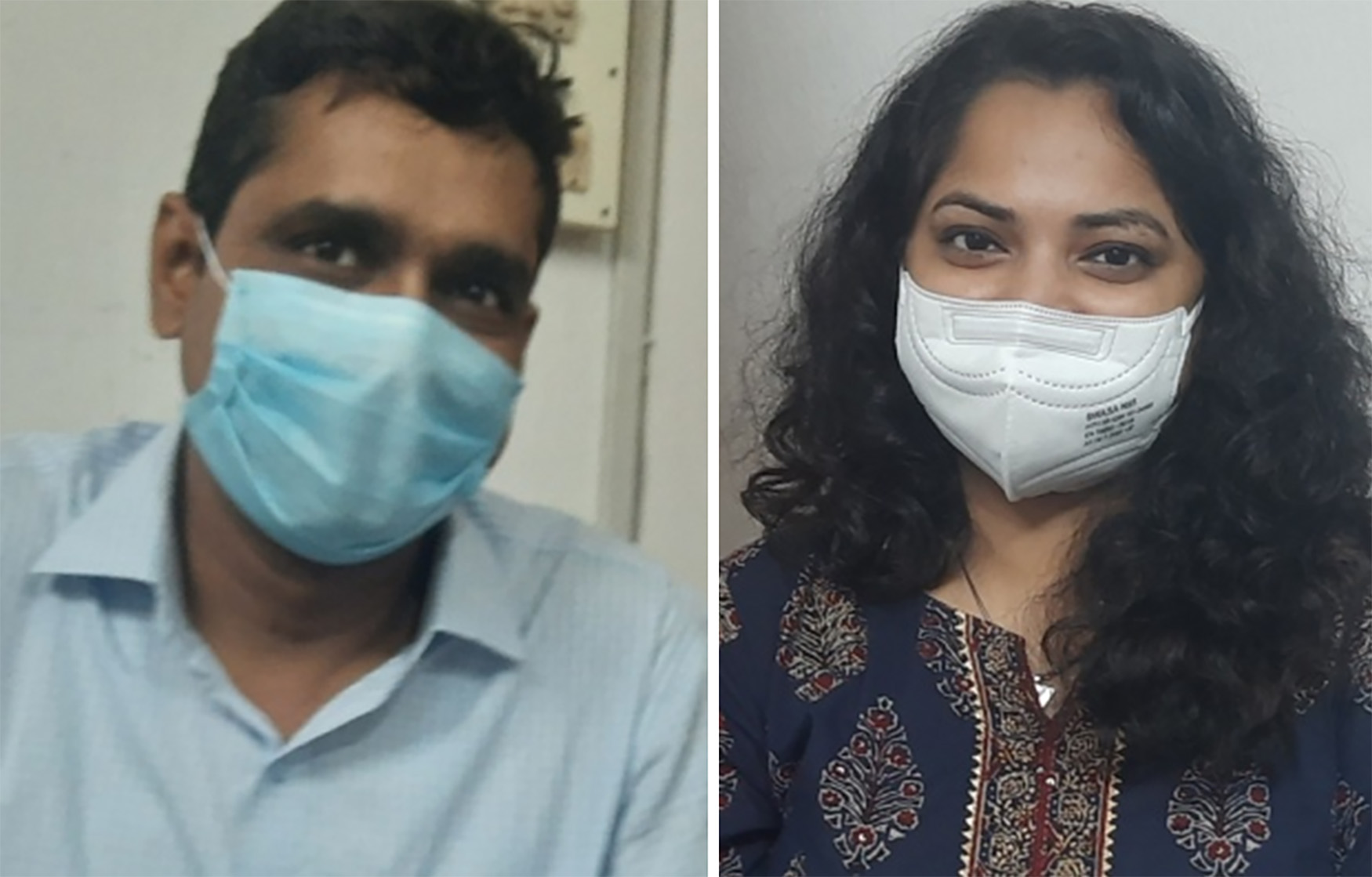
NAHARLAGUN, Sept 25: The immunization coverage in Arunachal Pradesh is satisfactory, United Nations Children’s Fund (UNICEF) representatives Dr Subash Godara and Himakshi Borah said.
Responding to questions, Dr Godara said that data received from dealing doctors are relied upon. Admitting to challenges of tough hilly terrain, unpredictable weather conditions, poor health delivery system and inadequate staffs, he said that there are tougher challenges in other countries but still UNICEF is offering humanitarian services there.
“We are responsible for spreading awareness on the benefits of immunization to people above 18-year of age, Borah said, adding immunization in the state has been going on despite COVID-19 vaccination drive as has been observed by us during tour to different parts of the state.
When contacted, state immunization officer Dr Dimong Padung gave details of immunization coverage.
| Full Immunization Coverage as per HMIS 2021-22 (April – August) | |||||
| District | ISTU infant target (2021-22) | Infant target (April-Aug’21) | Full immunization (April-Aug’21) | % FI | Rank |
| West Siang | 1001 | 417 | 431 | 103% | 1 |
| Papum Pare | 3388 | 1412 | 1348 | 95% | 2 |
| East Siang | 1430 | 596 | 539 | 90% | 3 |
| Tawang | 959 | 400 | 339 | 85% | 4 |
| Lohit | 951 | 396 | 321 | 81% | 5 |
| Tirap | 1056 | 440 | 351 | 80% | 6 |
| Namsai | 1845 | 769 | 612 | 80% | 7 |
| Lower Dibang Valley | 1038 | 433 | 335 | 77% | 8 |
| Changlang | 2844 | 1185 | 907 | 77% | 9 |
| Leparada | 344 | 143 | 100 | 70% | 10 |
| Anjaw | 406 | 169 | 113 | 67% | 11 |
| Siang | 475 | 198 | 128 | 65% | 12 |
| West Kameng | 1611 | 671 | 431 | 64% | 13 |
| Kra Daadi | 424 | 177 | 109 | 62% | 14 |
| Upper Siang | 678 | 283 | 167 | 59% | 15 |
| Longding | 1092 | 455 | 247 | 54% | 16 |
| Upper Subansiri | 1508 | 628 | 324 | 52% | 17 |
| Shi Yomi | 299 | 125 | 64 | 51% | 18 |
| East Kameng | 1139 | 475 | 220 | 46% | 19 |
| Lower Subansiri | 1124 | 468 | 216 | 46% | 20 |
| Lower Siang | 509 | 212 | 97 | 46% | 21 |
| Dibang Valley | 154 | 64 | 29 | 45% | 22 |
| Kamle | 562 | 234 | 85 | 36% | 23 |
| Kurung Kumey | 1342 | 559 | 126 | 23% | 24 |
| Pakke Kessang | 370 | 154 | 31 | 20% | 25 |
| Total | 26550 | 11063 | 7670 | 69% | |
The UNICEF, a United Nations agency, is responsible for providing humanitarian and developmental aid to children worldwide. The agency is among the most widespread and recognizable social welfare body in the world, with a presence in 192 countries and territories. Its activities include providing immunizations and disease prevention, administering treatment for children and mothers with HIV, enhancing childhood and maternal nutrition, improving sanitation, promoting education, and providing emergency relief in response to disasters. That is why both have been closely working with senior doctors of the state associated with immunization programmes.
Though immunization is one of the most successful public health interventions, but its coverage has plateaued over the last decade. The COVID-19 pandemic and associated disruptions have strained health systems.
“An estimated 23 million children under the age of one year did not receive basic vaccines, 3.7 million more than in 2019 and highest number since 2009. In 2020, the number of completely unvaccinated children had increased by 3.4 million. Thus, global coverage dropped from 86% in 2019 to 83% in 2020”, according to WHO immunization coverage data.
In 2020, 17.1 million infants did not receive an initial dose of DTP vaccine pointing to lack of access to an immunization and other health services and an additional 5.6 million were partially vaccinated. Over 1.6 million girls were not fully protected against human HPV in 2020, compared to 2019.
During 2020, about 83% of infants worldwide (113 million infants) received 3 doses of diphtheria-tetanus-pertussis (DTP3) vaccine, protecting them against infectious diseases that can cause serious illness and disability or be fatal. Monitoring data at sub-national levels is critical to helping countries prioritize and tailor vaccination strategies and operational plans to address immunization gaps and reach every person with life-saving vaccines.
Introduction of only 19 vaccines, including Haemophilus influenzae type b (Hib), Hepatitis B, Human papillomavirus (HPV), Meningitis A, Measles, Mumps, Pneumococcal, Polio, Rotavirus, Rubella, Tetanus and Yellow fever were reported in 2020, less than half of any year in the past two decades.
The WHO anticipated that this slowdown is likely to continue as countries focus on ongoing efforts to control the COVID-19 pandemic and on introduction of COVID-19 vaccines.


 20
