
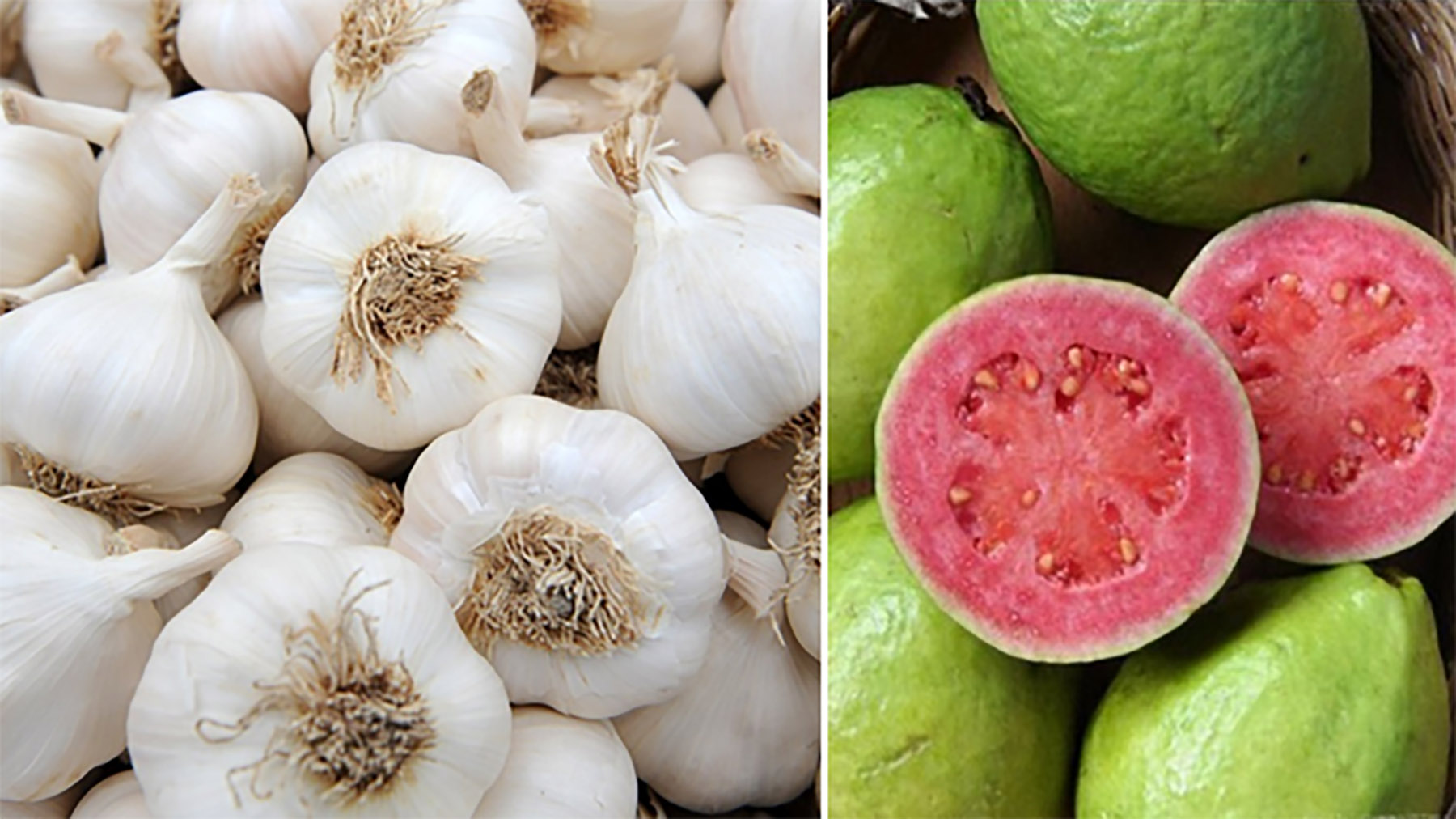
Doubling farmers’ income!
Present central Govt has set a goal to double farmers’ income by 2022-23 to promote farmers welfare because past strategy to develop agri-sector primarily focused on raising output and improving food security. It had resulted in 45% increase in individual food production that made India not only food self-sufficient but a food exporting nation too.
But agrarian distress during 1990s and sharp increase in number of farmers’ suicides during 1995 to 2004 was recorded. The agri-income of farmers is crucial to address agrarian distress thus the above ambitious goal.
The goal could be achieved in Arunachal Pradesh having vast suitable but unused land by encouraging farmers to toe College of Horticulture and Forestry line.
By Pradeep Kumar
ITANAGAR, Oct 01: Encouraged by success of onion pilot project in 10 hectares land in Riga circle of East Siang district by involving 20 local farmers, Pasighat-based College of Horticulture and Forestry (CHF) has decided to encourage farmers to take up garlic cultivation.
Disclosing this in an exclusive interview to this daily on Friday, CHF vegetable science department associate professor Dr. Chandra Deo said that garlic is treated as an herb and one of the main ingredients in many meals across India.
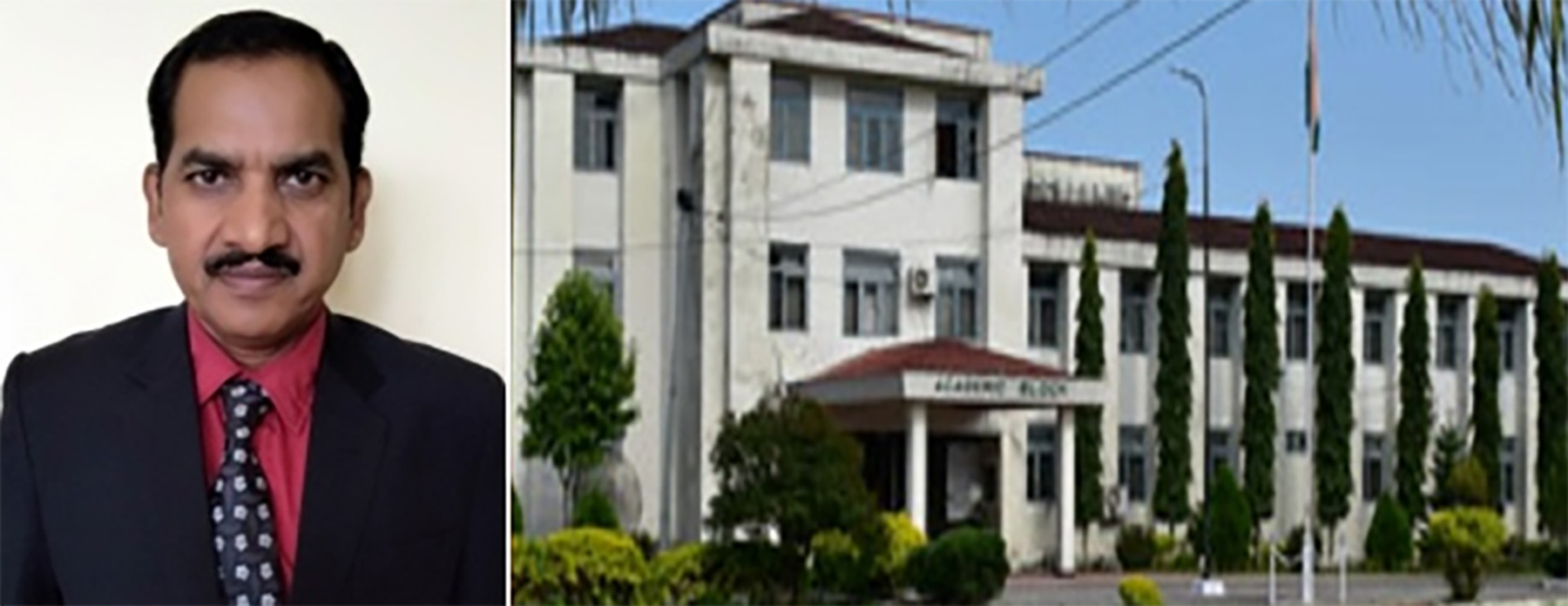
The onion pilot project of Pune-based ICAR-Directorate of Onion and Garlic Research (DOGR), was launched three years ago with the CHF as nodal implementing agency, he said, adding garlic cultivation would also be with the help of DOGR, which has sent one quintal fungicides free garlic seeds on request through transport.
Keen interest of farmers in onion cultivation leading to great success has prompted us for the new initiative, Dr Deo said, adding it aims at popularizing garlic cultivation in NE states, Arunachal Pradesh in particular. The North East India being onion consumer as none of the eight states of the region produce it in large scale to remain totally dependent on outside supply, he reasoned.
The garlic seeds would be distributed among farmers of Namsing and Riga circles, while an ex-serviceman Tangin G of Riga has been taking steps to popularize its cultivation, he said, adding that he has placed order for 5,000 guava plants of Lalit variety from Lucknow-based Central Institute of Subtropical Horticulture (CISF) for the same purpose.
India has always played a massive role in various agricultural activities including crop production and garlic is one of them. Ten states top in country’s annual garlic production, their 2018-2019 production and national share are as follows:
Rajasthan enjoying top position produced 582.08 tonnes/share 52.87%; Uttar Pradesh in 2nd position produced total 188.61 tonnes/share of 17.13%; Gujarat in 3rd position produced 151.01 tonnes/share 13.72%; Punjab produced total 73.74 tonnes/share of 6.70% & its people love garlic for which it is used in most of meals as one of the main ingredients; Assam produced 61.61 tonnes approximately/share of 5.60%. Assamese cherish garlic too much; Maharashtra ranking 6th in consumption produced 13.96 tonnes/share 1.27%; Himachal Pradesh produced 8.49 tonnes/share 0.77% while Himachalis are garlic consumers; Karnataka produced approx.5.42 tonnes/share 0.49%; Tamil Nadu on 9th position produced 3.46 tonnes/share 0.31% and Chhattisgarh in 10th position produced 3.45 tonnes/share 0.31%. .
Garlic (Allium sativum) is a species of bulbous flowering plant in onion genus Allium. Its close relatives include oinion, shallot, leek, chive, Welsh onion and Chinese onion. It is native to Central Asia and northeastern Iran and has long been a common seasoning worldwide, with a history of several thousand years of human consumption and use. Known to ancient Egyptians, it has been used as both a food flavoring and a traditional medicine. It is widely used around the world for its pungent flavor as a seasoning or condiment.
Identification of common garlic is difficult due to sterility of its many cultivars. Genetically and morphologically, garlic is most similar to the wild species Allium longicuspis, which grows in central and southwestern Asia. Moreover, Allium tunecelianum, Allium macrochaetum & Allium truncatum are native to the Miidle East. Allium sativum grows in the wild in areas where it has become naturalized. So-called elephant-garlic is actually a wild leek and not atrue garlic. Single clove garlic (also called pearl or solo garlic) originated in Yunnan province of China.
World production of garlic in 2019 was 31 million tones with China alone accounting for 76%.
Medicinal value: Garlic has been used for traditional medicine in diverse cultures, including in Egypt, Japan, China, Rome and Greece. Clinical research in 2015 found that consuming garlic produces only a small reduction in blood pressure and there is no clear long-term effect on hypertension, cardiovascular mortality. A 2016 meta-analysis indicated there was no effect of garlic consumption on blood levels because garlic might reduce platelet aggregation; people taking anticoagulant medication are cautioned about consuming garlic.
A 2016 meta-analysis of case-control and cohort studies found a moderate inverse association between garlic intake and some cancers of the upper digestive tract. Another meta-analysis found decreased rates of stomach cancer associated with garlic intake, but cited confounding factors as limitations for interpreting these studies. Further meta-analyses found similar results on the incidence of stomach cancer by consuming allium vegetables including garlic. A 2014 meta-analysis of observational epidemiological studies found that garlic consumption was associated with a lower risk of stomach cancer in Korean people. A 2013 meta-analysis of epidemiological studies found garlic intake to be associated with decreased risk of prostate cancer.
Writer Pliny of 2nd century in his Natural History gave a list of conditions in which garlic was considered beneficial and eulogized it as the “rustic’s theriac” (cure-all). Avicenna, in his The Canon of Medicine (1025) recommended garlic to treat arthritis, snake & insect bites, parasites, chronic cough and as an antibiotic. Writer Alexander Neckam of 12th century described it as a palliative for sun’s heat in field labor. Thomas Sydenham in 17th century valued it as an application in confluent smallpox while William Cullen in his Materia Medica (1789) found some dropies (swelling of soft tissues due to accumulation of excess water) cured by it alone.


 20

