
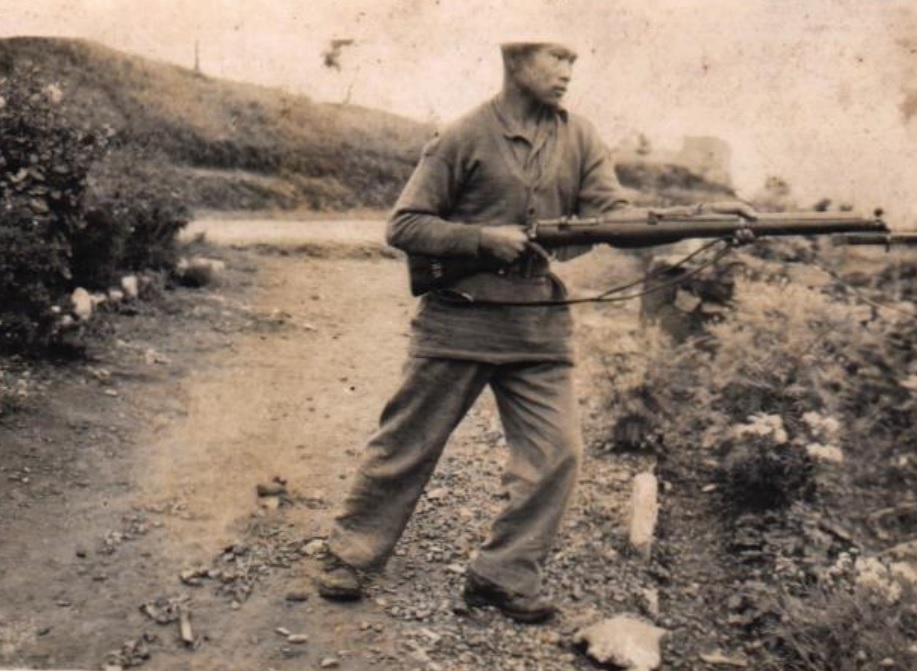
MEBO, Oct 03: The Centre has finally recognised the heroics of Madar Tayeng, a native of Mebo village in East Siang district, and his name has been inscribed in the Tyag Chakra of National War Memorial in New Delhi, much to the jubiliation of the people of his village and the state.
Born to Korin Tayeng and Surat Tayeng in the forties, Madar joined C-Company of 7 Assam Rifles around 1953. He was posted in Walong sector in the then Lohit district just before the Chinese attacked Arunachal Pradesh. Along with the sepoys of his company, Tayeng fought bravely before laying down his life for the cause of the country.
Despite his supreme sacrifice land, there was no formal recognition of his contribution by the Centre or even by the Indian Army. His name was never listed in the War Memorial of Walong and the National War Memorial of New Delhi.
The disappointment of his family and the villagers finally disappeared when Dambuk MLA Gum Tayeng announced that the name of Madar Tayeng has been recognized and included in the list of martyrs in National Martyrs Memorial. A formal letter in this respect has also been given to her by the Ministry of Defence following her constant pursuance and communication with the ministry, reports DIPRO.
The MLA felicitated Kosek Tayeng, the lone surviving sister of Madar Tayeng on the occasion of Gandhi Jayanti at Mebo on Saturday.
The lawmaker said that Madar Tayeng was a great son of the country and his supreme sacrifice would inspire all generations in the days to come.
Chief Commissioner of Income Tax at Kolkata Raju Tayeng, who assisted his mother Gum Tayeng in unearthing old records and communicating with the ministry, said the contribution of Madar Tayeng towards the country rises above caste and creed and people should be proud of him as a great son of the country.
Former IPR Director, Obang Tayeng while narrating the life history of the martyr and the long history of Assam Rifles which, witnessed one of the fiercest battle in the history of the state during 1962, said that the Indian soldiers bravely defended Walong for several days before the Chinese withdrew.
Many public leaders of Dambuk and Mebo constituencies, Gaon Buras, officers and villagers also gathered on the occasion, the report added.
It is pertinent to mention here that the Indo-Sino ear in the Walong sector ended on November 21, 1962 after the Chinese withdrew. It was only in March 1963; Lieutenant Kuldeep Singh of the Indian army could reach Walong to cremate the dead bodies of which many were cremated without any identification.


 20
