
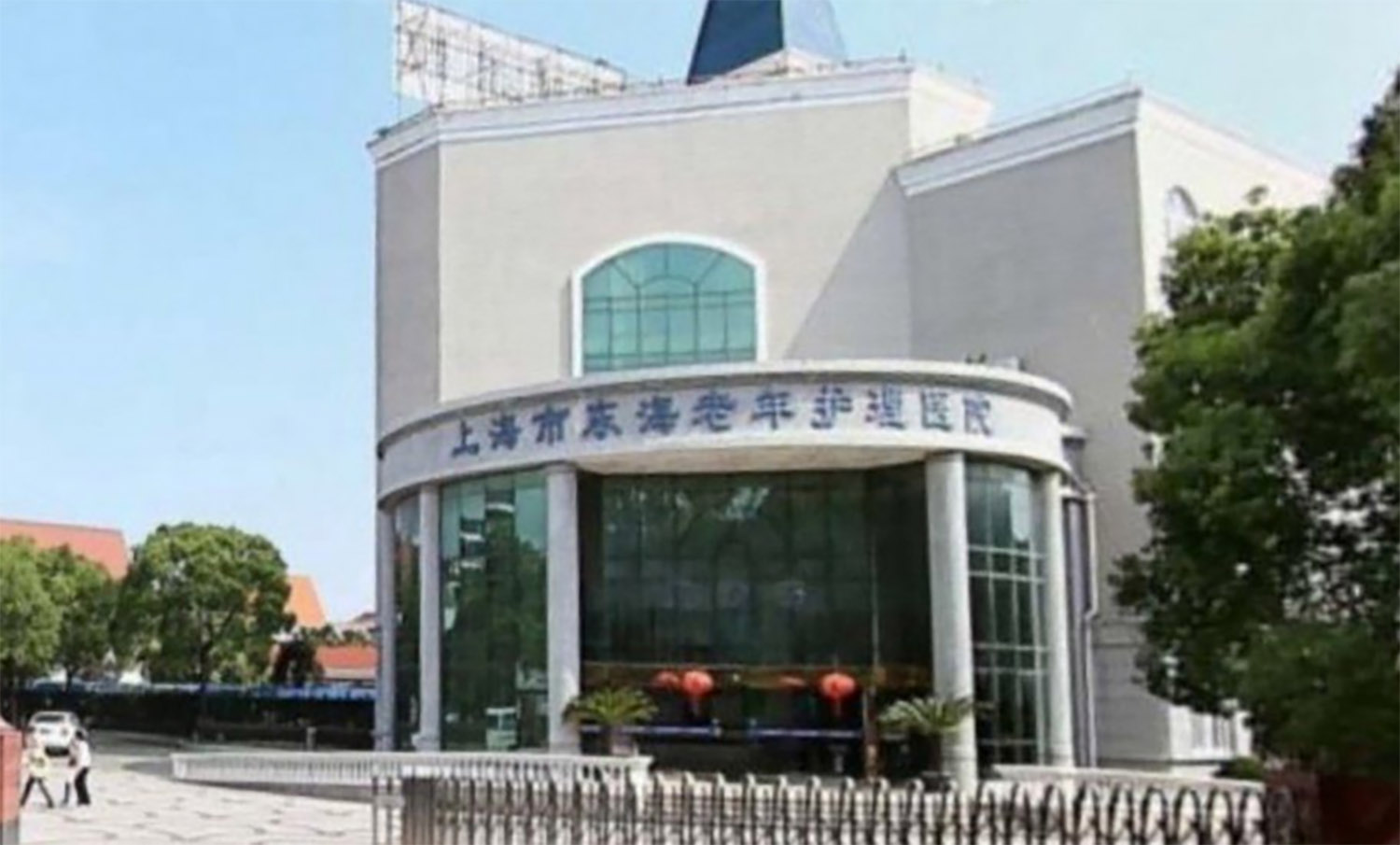
Donghai Elderly Care Hospital, Shanghai
India’s COVID-19 status
While Arunachal and Tirap are free from active cases, on April 3, Assam Govt confirmed total 89,468 positive cases, including 67,641 recoveries, three migrations and 234 deaths. NE’s largest state Assam & largest city Guwahati, has been worst affected by the virus.
In Arunachal, 64,484 COVID-19 cases were detected since April 2020 and latest update of health services directorate is 64,188 patients recovered and discharged, whereas 296 fatalities were reported till March 31, according to health secretary P Parthiban.
Tripura, NE’s most populous state and its health services director Subhasis Debbarm had said: “There are no active COVID-19 cases as no such case was detected in the last 10 to 15 days.”
On April4, Mizoram reported 34 fresh COVID-19 cases on Monday, taking state’s tally to 2,24,788 while death count remained at 687, a health department official said. However, the state on Sunday had reported 120 fresh COVID-19 cases, highest single day spike.
Sikkim COVID-19 tally was 38,415 n February last with total 432 deaths while rate of positivity was 12.2% and recovery 97%.
On April 5, India had total 12,054 active COVID-19 cases, 42,496,369 (98.76%) discharged and 5,21.416 deaths (1.21%) while total 1,84,87,33,081 vaccines administered, according Union Mo H&FW data.1,84,87,33,0811,84,87,33,081 1,84,87,33,081
Beyond the Horizon
By Pradeep Kumar
It is a well known fact that mysterious cases of pneumonia were detected in Wuhan the city of China’s Hubei Province on 31.12.19. The causative agent was identified on January 07.01.20 as a new coronavirus (2019-nCoV) and the disease was later named as COVID-19 by the WHO.
The WHO declared COVID-19 endemic after it spread across the world to become a global health burden.
However, China recorded 9,09,723 confirmed COVID-19 cases and 13,316 deaths during 03.01.20 to 01.04.22 as reported to WHO.
But, justifying the adage “as you sow so shall you reap”, surge of COVID-19 cases have been reported from the communist nation.
Authorities in Shanghai are struggling to deal with a suspected wave of COVID-19 infections at a large hospital for the elderly, as a sign of how serious the outbreak is in China’s biggest city.
Shanghai has not declared any new COVID-19 deaths in the city since the outbreak of the latest wave of the virus. But the BBC has spoken to people working at the Donghai Elderly Care Hospital in the city’s eastern Pudong area who have described a dire situation and desperate attempts to help dozens of elderly patients, some of whom have died.
A nurse told the BBC that the first positive cases were discovered at the facility – one of the biggest of its kind in Shanghai – three weeks ago.
Since then it has been sealed off, and specialist teams from municipal centre for disease control have been trying to contain the spread.
Another care worker who was drafted in to work at the hospital last week told that she had seen one patient die, and heard of a colleague who had dealt with another dead patient.
But workers say that it is hard to tell if the victims had died from COVID-19 as there have been many infections.
The nurse told the BBC that she was working and sleeping at the hospital before being moved to a quarantine facility. Since then she said a colleague had told her the situation had gone “worse and worse” with new cases “every day”.
Shanghai is China’s biggest city with a population of almost 25 million. It’s half-way through a nine-day citywide lockdown to try to stop the spread of a resurgent virus. Officials had planned to shut the eastern half of the city and test everyone living there, then impose the same lockdown on the western side of the city.
Despite plans to open up Pudong on April 1, there are stringent measures still in place and delayed test results which mean many areas, and millions of people, remain locked down.
A week before the lockdown was imposed other officials had claimed that Shanghai was too big and too important to China’s economy to be locked down in the way that other cities, like Wuhan, Xi’an and Shenzhen had been.
There’s evidence elsewhere that Shanghai’s health care system is struggling to deal with some of the increased demands put on it. On March 31, health officials offered a formal apology to the family of a 62-year-old man who died after he was refused further emergency treatment for an asthma attack. An ambulance medic who refused to transport the patient or offer the use of an AED has been suspended.
But now a senior Communist Party official has admitted Shanghai had not been prepared for the outbreak. Ma Chunlei said on Saturday that “our awareness was insufficient… our preparation is not sufficient”. In a rare public admission of failings he added: “We sincerely accept your criticism and we are working hard to improve.”


 20

