
By A O News Service
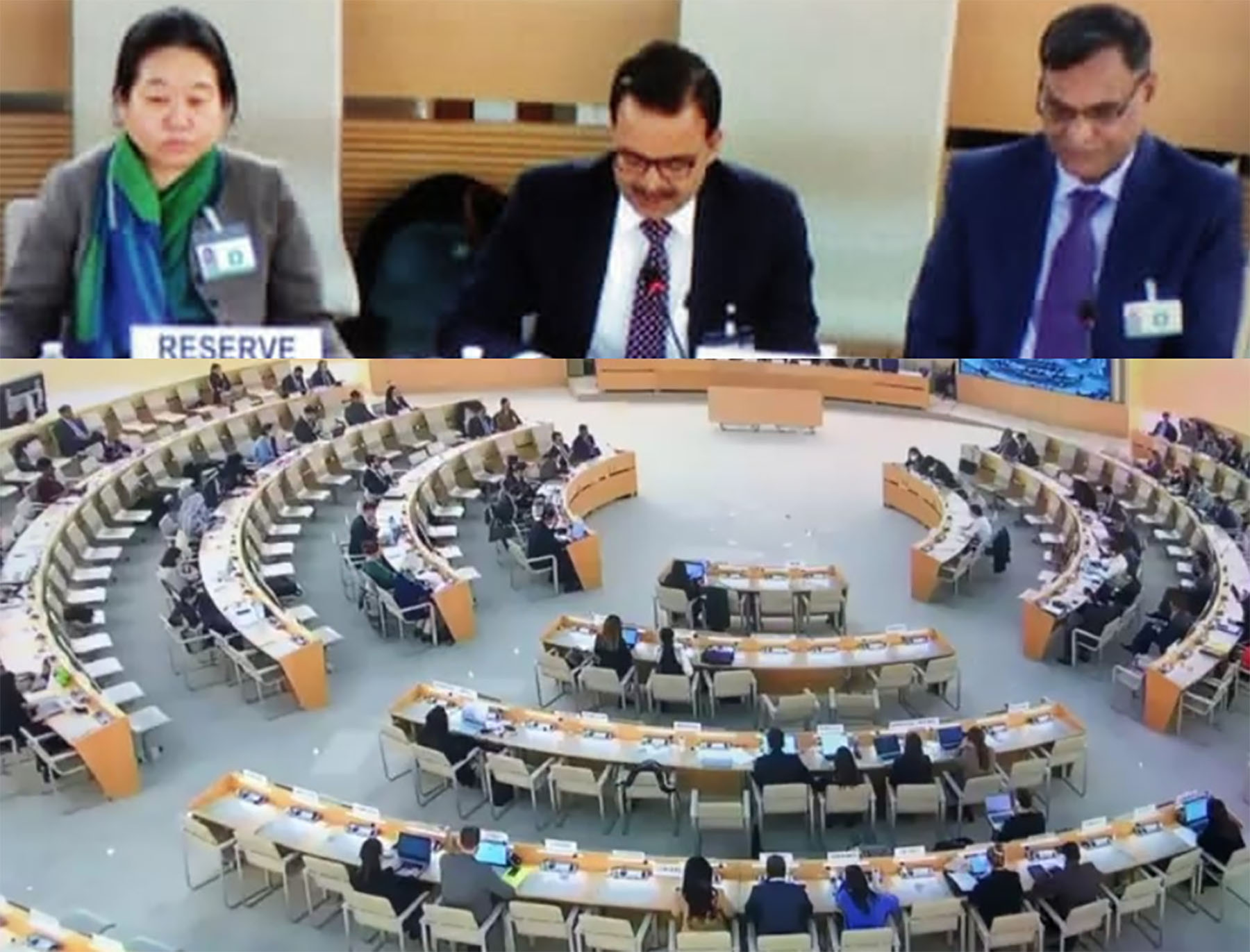
ITANAGAR, Nov 11: India is committed to ensuring survival, protection, development and participation of children following the principle of best interest of the children, said Indian Govt’s Women and Child Development department joint secretary Indira Mallo while highlighting rights of children, in her address to 41st session of universal periodic review (UPR) working group of United Nation Human Rights Council (UNHRC).
The UPR was examining human rights records of India for fourth time during the meeting in Geneva city of Switzerland on Thursday, which was telecast live for the world watch, official sources told this daily on Friday.
The UPR is a unique process that involves periodic review of human rights records of all 193 UN member-states. It is a significant innovation of UNHRC which is based on equal treatment to all countries and emerged as one of the successful human rights mechanisms, due to its universal character, constructive and consultative approach, and the importance it places on dialogue and cooperation amongst member states.
“Indian Constitution guarantees right to education to children between 6 to 14 years of age. In addition, the National Policy of Education for Children of 2013 and National Plan of Action of 2016 focus on children’s access to learning and nutrition and institutional supports for enabling them to grow and develop to their full potentials,” said Mallo, first woman ILAS officer of Arunachal Pradesh.
“The school midday meal scheme provides nutritious food to 118 million children across 1.12 million schools. India has one of the world’s largest outreach programme – integrated child development services – which provides a package of services comprising supplementary nutrition, immunization, health checkup, referral services, preschool non-formal education and nutritional education,” she informed.
As of June 2022, there were 1.39 million operational early educational centres benefitting 77 million children from six months to six years old. The Juvenile Justice Act, 2015 mandates a security net of service delivery structures to provide institutional and non-institutional care for children in need of care and protection and children in conflict with law through foster care, kinship based possessive care,” she said without mincing any words.
“India, one of 133 member states to register, took part actively, said an UNHRC statement, adding the national report of India, which was submitted on 5 August, outlines the steps taken by India toward the promotion and protection of human rights, including the implementation of recommendations accepted by India in its third UPR cycle in 2017.
Indian delegates included senior officials of Union Ministries of Home Affairs, Women and Child Development, Social Justice & Empowerment, Minority Affairs and Rural Development, NITI Aayog and Delhi-based National Law University vice chancellor.


 20

