
- G20 reflects ‘Vasudeva Kutumbakam’ spirit: Sona
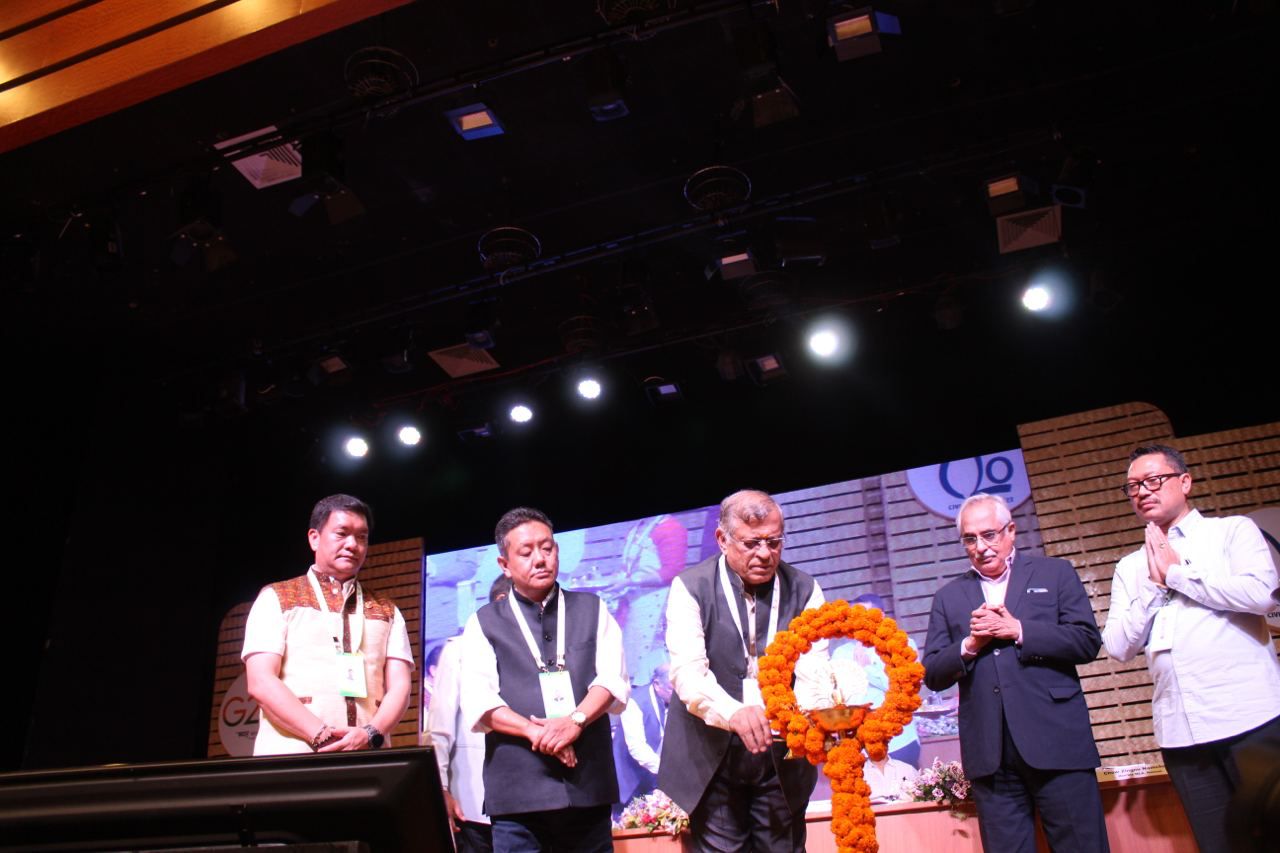
NAMSAI, June 10: Arunachal Pradesh Govt is committed to fostering an environment of ‘Jan Bhagidari’ and ‘Jan Samvad’ that nurtures and supports the active participation of civil societies, Chief Minister Pema Khandu said in his inaugural address to the C20 summit here on Saturday.
“We recognize the immense value the civil societies bring to the table – their expertise, local knowledge, and community-driven initiatives – are invaluable assets for inclusive and sustainable development,” he said.
‘Be an ambassador for Arunachal Pradesh, a place of true diversity, inclusion and mutual respect’, he said in his inaugural address to the two-day C20 Summit Seminar, themed “Namsai Conclave on Diversity, Inclusion and Mutual Respect”.
He said that the C20 summit would serve as an ‘exceptional platform for dialogue, knowledge sharing, and collaboration among civil society organizations from around the world’ which aims to promote ‘social and economic development with the vision that no one should be left behind’.
“As we celebrate the completion of nine years of ‘Seva, Sushasan and Garib Kalyan’ under the exceptional leadership of Prime Minister Narendra Modi, India is on a mission to bring about a shared global future for all through the Amrit Kaal initiative,” he said.
Khandu informed that this state has grown by leaps and bounds during the past few years and is seen as the most improved small state in infrastructure. State’s GSDP has more than doubled, with increase by over 85%, pace of road construction increased by nine times, hydropower energy generation multiplied manifold, built and upgraded hundreds of new schools, hospitals and airports, given a large fillip to agriculture and allied sectors, promoted eco-tourism and sustainable tourism opportunities, besides maintaining a record recovery rate of over 99% during the unprecedented COVID-19 pandemic period. He credited state’s ‘unparalleled progress’to the unwavering dedication of civil society organizations.
“In Arunachal Pradesh, our engagement with civil society organizations takes a unique form through the active involvement of Community Based Organizations (CBOs). Each year, when state general budget is prepared, we ensure that the voices of these CBOs are not only heard but embraced with utmost respect and consideration. Their inputs provide us with a deep understanding of the needs and aspirations of various communities, enabling us to design inclusive and effective development strategies,” he revealed.
Khandu informed that the state Govt held an interactive discussion with the CBOs on April 12 last, which led to the signing of a joint 21-point vision document.
“To further deepen the partnership, I had the privilege of leading a delegation of CBOs on a transformative journey to Ahmedabad, the iconic Statue of Unity in Kevadia, Gujarat and to New Delhi. These experiences served as a catalyst in envisioning a future filled with possibilities and empowering our CBOs to play a pivotal role in shaping the destiny of our state. In a historic meeting, PM Modiji interacted with members of the CBOs, which ignited a renewed passion and deepened our collective resolve to steer Arunachal Pradesh as the growth engine in India’s Amrit Kaal,” he said.
“We will work further towards creating platforms for dialogue, providing resources for capacity building, and establishing mechanisms for fruitful collaboration between the Govt and the CBOs, he added.
Legislative Assembly Speaker-cum-chairman G20 programmes in the state P D Sona, speaking about relevance of the event in the state said that ‘Arunachal Pradesh people are diverse in various aspects, but live in mutual harmony and inclusiveness showcasing ‘Vasudeva Kutumbakam’ (one life, one world) spirit in true sense. Diversity is here to stay and we need to work for it, he said
Vivekananda International Foundation Chairman Swaminathan Gurumurthy, in his keynote address, opined that the themes of diversity, inclusion and mutual respect are interdependent. Diversity, the foundation of human life and religion, acknowledges that people are different with different nuances and this along with inclusion and mutual respect needs a global level introspection and discussion.
A profound topic like diversity should not be discussed in silos, but should be done along with virtues like human rights and modernity, he reasoned. ‘Diversity is not an individual virtue but a collective one. We may not like it but we need to accommodate diversity as a living virtue and not a virtue of library. Diversity is a living phenomenon’, he added.
Sherpa (C20) Vijay Nambia said that civil society groups have helped strengthen the sinews of our democracy. Diversity and inclusion are two sides of the same coin and a peaceful coexistence is possible only when both under guard each other.
“Diversity can help people enlarge their thinking and focus should be on the protection of diverse cultures, the people and their knowledge systems, which should be a part of our education. Inclusion is about how the contribution and perspectives of different groups are accommodated and by sensibly embracing diversity we can make our lives richer”, he added.
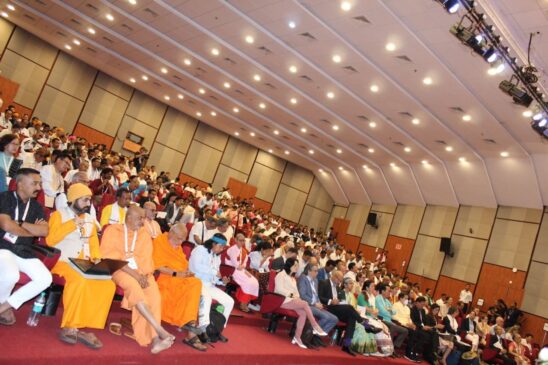
VKIC chairman-cum-Conclave national coordinator Dr. Joram Begi said that a platform like C-20 provides opportunities to voice people’s aspirations to an international platform like G 20. The G20 activities are mostly known through C-20 by reflecting importance that the Govt gives to Jan Bhagidari. The civil society’s role is important to ensure that no one is left behind. “We have to remind the people that we need to renew the spirit of mutual respect and live in harmony with each other”, he added.
Deputy Chief Minister Chowna Mein, in his address, said that the state offers immense opportunities for cultural, religious, eco and adventure tourism with activities, like trekking, river rafting & mountaineering besides sports and research tourism, due to its rich bio and cultural diversity.
State’s numerous torrential & perennial rivers, like Siang, Dibang, Subansiri, Kameng, Lohit and streams offer immense hydro-power generation possibilities. The state alone has the capacity to generate 50,000 MW of hydro-electricity, to earn the sobriquet “future powerhouse of India”.
In connectivity, he stated the state has made remarkable progress since the current BJP Govt came to power in India. The state now enjoys air connectivity to its capital city besides airports in Pasighat, Tezu, Ziro and several other advanced landing grounds (ALGs) are in the pipeline. The development of two-lane and four-lane highways connecting state capital and frontier highways reaching the border villages has vastly improved transportation.
Besides ongoing railway connectivity, the state would get enhanced internet connectivity through 4G networks. Thus, the state Govt has lauded the PM for its all out support.
Despite its tremendous potential, the state faces certain limitations in marketing, agri-processing, skilled manpower and in research & development which need to be improved. Thus, he sought intervention of private companies to invest and set up agro-based industries, food processing units and other ventures to help to overcome these challenges.
Former Dy PM of Thailand HE Korn Dabbaransi, High Commissioner of Republic of Costa Rica HE Lakshmipriya Pb, High Commissioner of Venezuela HE Mr Alfredo Caldera, MLAs Chau Zingnu Namchoom and Jummum Ete Deori, swamijis and delegates from around the world are attending the conclave.
General deliberation on theme – Diversity, Inclusion, Mutual Respect; Understanding Inclusion and Mutual Respect in the context of differently-abled (Divyaangjan), gender issues, culture and faith of indigenous communities: towards sustainability were held on Saturday.
The event has been organised by Vivekananda Kendra Institute of Culture In collaboration with state Govt, according to official release.


 20

