
ZIRO, Mar 15: A comprehensive research study to find out causes of rising stomach cancer in Arunachal Pradesh, Ziro Valley in particular, will be jointly undertaken by State Cancer Society of Arunachal Pradesh (SCSAP) in collaboration with RGU, TRIHMS Tertiary Cancer Centre (TCC), Guwahati-based Dr. B. Borooah Cancer Institute (BBCI), NIPER and IIT.
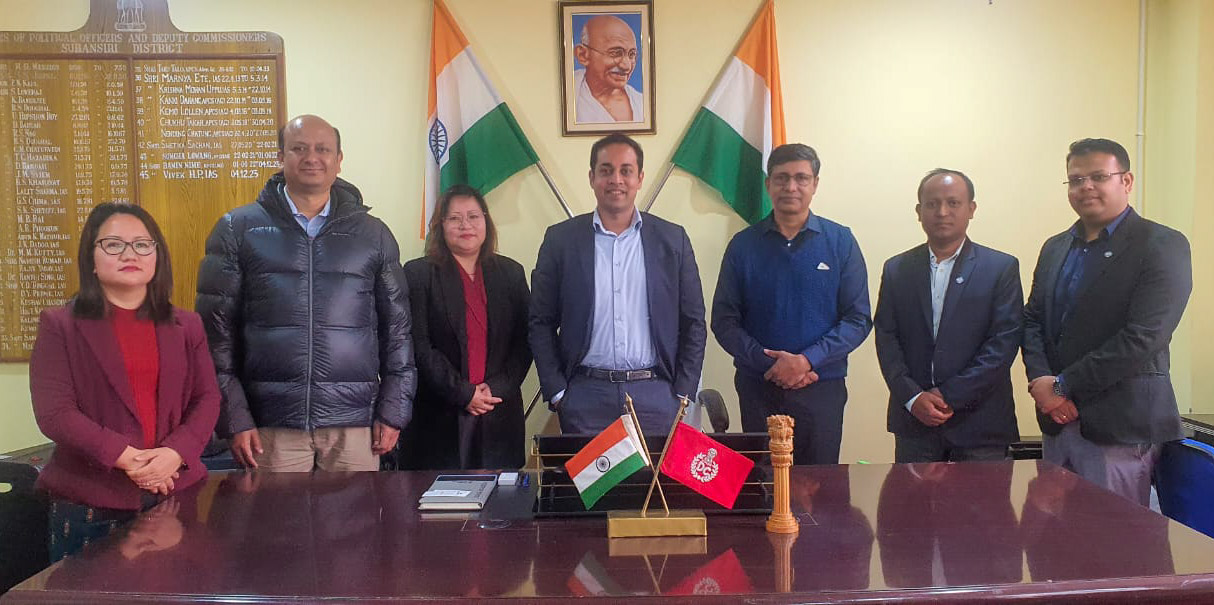
This was decided in a meeting, attended by BBCI Prof (head and neck oncology) Dr. Ashok Kr. Das and associate professor and head (surgical oncology Dr. Abhijit Talukdar, RGU Prof and HoD (anthropology) Dr. M. Asghar, TCC radiation oncologists Dr. Hage Sonia and Dr. Rubu Sunkuof, and chaired by Lower Subansiri DC Vivek HP here on Friday.
This meeting was a follow up of cancer screening-cum-awareness camp held here during October 6 to 8 last year by SCSAP under supervision of Vivek, who was health special secretary then and had suggested to take up the etiological study.
“The incidence of gastric cancer is very high in Arunachal Pradesh, particularly in Ziro Plateau, whose cause is unknown. But it is presumed that multiple factors, like dietary, prevalence of pathogens in stomach, tobacco use, presence of heavy metals in food and water besides genetic causes”, Dr. Das said
Interplay of these risk factors aggravate the situation, he said, adding: “In order to formulate effective intervention strategies, it is imperative to understand prevalence of these risk factors, cumulative exposure of individuals and the stage by stage change caused by these risk factors which ultimately lead to malignant transformation of gastric mucosa. With this knowledge, it will be possible to formulate appropriate intervention strategies to mitigate this risk”.
Explaining the modus operandi of proposed research, Dr. Das said “it aims to integrate community participation in implementing the programme at every step. It will be conducted within predefined geographic boundary of a few target villages in Ziro Valley from which the highest number of gastric cancers have been reported, and attempt to involve population aged between 20 to 65 years within these boundaries”.
“The plan will be conveyed to people through multiple group meetings and discussions involving civic bodies and district administration. The entire process will be explained to participants and their concerns will also be addressed. Only the informed voluntary participation will be accepted and findings of the study will be ethically shared without reservations with the community at every step”, he explained.
He also explained that the methodology adopted will be a cross-sectional study of population followed by a longitudinal study to identify effect of interventions and to monitor people under high risk.
“In the first phase, participants will be screened using endoscopy and mucosal biopsy for histopathology and microbial study (BBCI and TCC). Approximately 100 such screening camps will be conducted over 36 months covering 6,000 to 10,000 people. In parallel, food habits will be recorded to assess food frequency exposure (by RGU). Different food items and water will be sampled and analyzed at NIPERi for carcinogens, he informed.
After collating data and statistical analysis to derive the causes, probable intervention strategies will be devised and shared with the community for adoption, including by all institutes and state administration, he said, adding that during the second phase, the quality and extent of adoption will be monitored, and individuals at high risk, expected to be 200-300, followed up by periodic yearly endoscopy.
These interventions, if found successful, would lead to gradual decrease in gastric cancers which will be fully evident and stable in 20 years. It is also expected that many of the same factors are responsible for high gastric cancer incidences in rest of the state and the same interventions will be effective in bringing down this number.
The research, including two video-endoscopy units for Gyati Takka General Hospital here is expected to cost Rs 450 lakh, which would be submitted to ICMR for consideration, Dr. Das added. (DIPRO)


 20

