
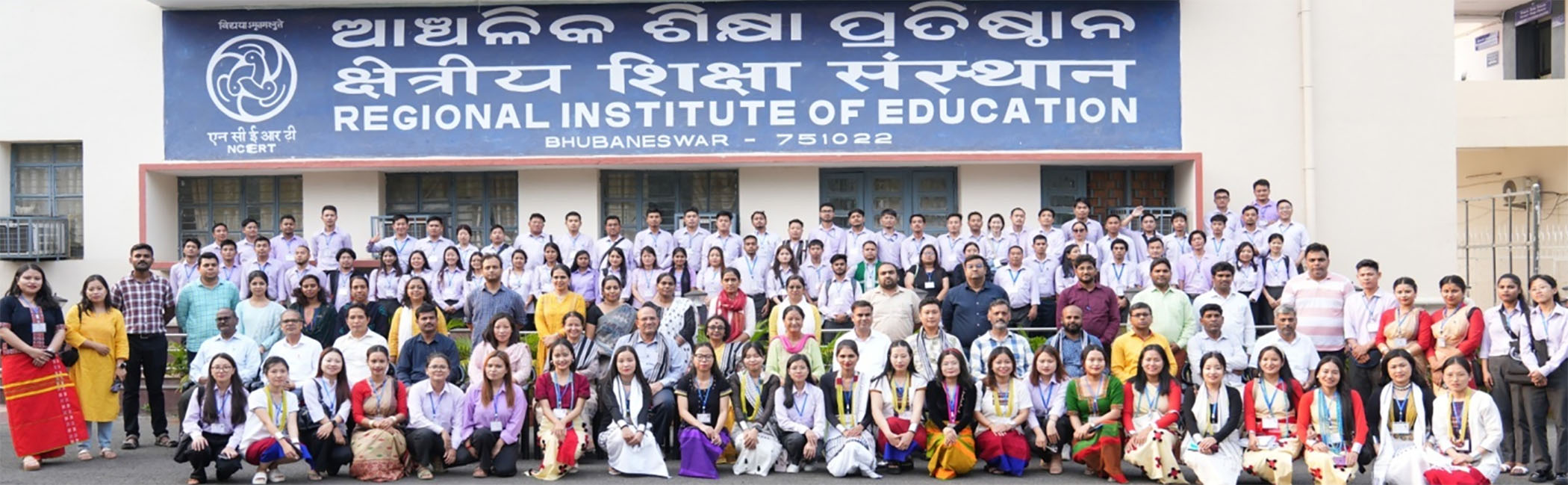
KONARK, Odisha, Apr 07: A study tour by B.Ed IV semester students of Rajiv Gandhi University on a trip to Odisha has revived the age-old ties between Kalinga (present Odisha) with NEFA (present Arunachal Pradesh).
The group of 95 students and research scholar Mumdam Saring, escorted by education department’s associate Prof Dr. Anga Padu, assistant Profs Dr. Tayum Saroh and Dr. P.K. Barik, was flagged off by registrar Dr. N.T. Rikam, finance officer and education HoD Prof. P.K. Acharya on April 2 evening from university campus.
The group after visiting Ravenshaw University and Radanath Institute of Advanced Study in Education (RNIASE) at Cuttack, Regional Institute of Education (RIE) and Kalinga Institute of Industrial Technology at Bhubaneswar visited Konark on Sunday to see the left for The Konark Sun Temple, also known as the world famous 13th century old Sun Temple of Surya. The temple is built in the shape of a giant stone chariot with 12 pairs of wheels, each representing a month of the year, and is led by six horses. The temple is 100 feet tall and known for its sculptural innovations and the quality of its carvings. The exterior is covered with sculptured decorations, many depicting erotic scenes.
The study tour, an integral part of B.Ed. IV semester syllabus, aimed at facilitating first-hand learning experience about various courses offered, teaching-learning culture, best practices, infrastructural facilities, and other important aspects of those prestigious institutions, Dr Padu informed this daily.
The group after reaching Bhubneswar on April 4, visited the RIE, a constituent of National Council of Education and Research Training. RIE principal Prof. P.C. Agarwal, during interaction, briefed the team about history of the institute, its intake capacity, admission process, infrastructural facilities, teaching strength and best practices. The group also visited learning resource centre, library and the campus.
The team next day visited Ravenshaw University, an A++-gradeuniversity. Education department students led by HoD-cum-dean Prof. Sudarshan Mishra and Dr. Sarat Kumar Rout received the team followed by interaction with faculty members and students.
A cultural exchange programme by both groups was organized that showcased unique culture of Arunachal Pradesh and Assam. A mega dance by Arunachalees and Assam’s Bihu dance not only mesmerized all viewers but also deepened their understanding of the NE region’s diverse culture.
The Ravenshaw University students displayed cultural items besides offered local cuisine (dahi bada) that gave RGU team first-hand experience of diverse culture and local cuisine of Odisha.
The team then arrived RNIASE to be received by its faculty and students led by principal Prof. Nibedita Guru. The RGU team was apprised of the history of the institute through a power point presentation, toured the campus, interacted with principal, faculty members, and students, followed by a cultural exchange programme.
The team on April 6 visited arrived KIIT to be received by 5000 tribal children studying in the school run by Kalinga Institute of Social Sciences (KISS). The team, later at KIIT, was briefed by Prof. Achyuta Samanta, founder of KIIS and KIIT. Prof. Samanta gifted each member of the team with a memento as a memory.
The RGU team was also taken a school providing free school education to tribal children running under the banner of KISS, the largest global institute offering free education to 40,000 tribal children from KG to PG.
The team also scheduled to visit Puri, famed for Lord Jagannath temple, would return to RGU on April 9, Dr Padu added.
The Malinithan in Likabali town, located in Lower Siang district on the base of Siang Mountains, is famous for the temple built in classical tradition of Odisha with unique carvings and architecture. The temple is made entirely out of granite while most temples in NE India are built with bricks. The temple’s erotic Maithuna sculptures suggest that tantricism was practiced as a fertility rite by the primitive tribal people.
In Dwapara Yuga, Lord Krishna while on way to Dwarka after eloping Bhimsmak princess Rukmini from Bhismakanagar, near Lower Dibang Valley district HQs Roing, had halted at Malinithan. They were welcomed by Lord Shiva and Devi Durga with garlands of flowers plucked from the orchard for which the place is called Malinithan.
Moreover, emperor Ashoka after Kalinga War in 261 BCE had embraced Budto turn Dhrmasoka from Chandasoka and has sent his son Mahindra and daughter Sanghamitra across South East Asia to propagate Buddhism. The duo had returned home from Burma (Myanmar) through Changlang district of this state. Its evidence – Ashokan edict engraved between 268 and 238 BCE, is visible on a hillock in Motongsa, located along Jairampur-Pangsau Pass, which has turned a pilgrimage for Buddhist monks.


 20
