
- Roridomyces species reported in Basar first
From Our Correspondent
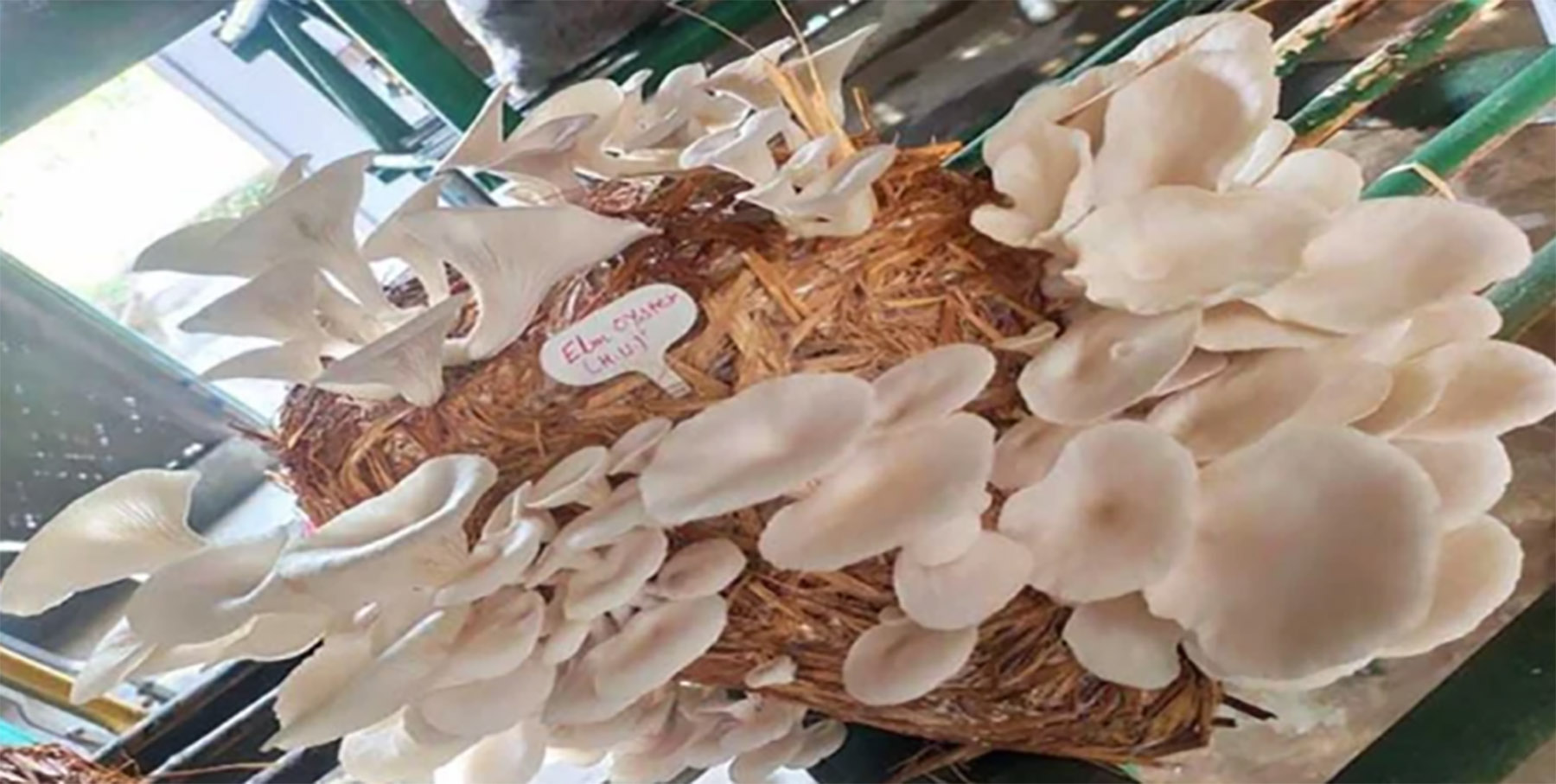
BASAR, Sept 30: The Elm oyster mushroom (Hypsizygus ulmarius) has been successfully cultivated here with the innovative efforts of the All India Coordinated Research Project (AICRP), marking a significant milestone for local agriculture and adding a new chapter to the world of culinary and medicinal fungi.
Known for its remarkable biological efficiency of up to 98%, this mushroom not only boasts a meaty texture and subtle flavor to make it a versatile addition to any dish, but also offers numerous health benefits, including anti-inflammatory and antioxidant properties.
With training available at Mushroom Research & Training Centre (MRTC) here and potential for fresh, dried or powdered sales, aspiring growers in the state have a golden opportunity to tap into this thriving market while promoting sustainable farming practices.
They thrive in areas with temperatures between 20-25 degrees Celsius, making them suitable for local cultivation. Additionally, spent mushroom substrate (SMS) can be repurposed as high-quality organic manure or for vermicomposting, contributing to sustainable farming practices.
Moreover, with its robust growth, nutritional benefits and market potential, the Elm oyster mushroom is more than just a culinary delight—it’s a step towards a healthier, more sustainable future, an expert of MRTC said.
Total 62.8 lakh fungi species are found on earth (2,000 in India), including 19 poisonous mushrooms. Total 733 species of macro-fungi of 267 genera and 94 families, according to a 2022 study of botany department of Gauhati University, are found in Arunachal Pradesh, Assam, Manipur, Meghalaya, Mizoram, Nagaland, Sikkim and Tripura because of suitable climatic conditions. Though varieties of mushrooms grow in Arunachal Pradesh, one of the 12 biodiversity hotspots of the world, is home to a rich diversity of edible mushrooms integral to local delicacies. But, 18 of them are most common treasures, spotlighting their distinctive features, tastes and culinary uses.
Interestingly, ICAR research complex for NEH region in Leparada district here in 2022, had discovered a bioluminescent fungus, Roridomyces species growing on dead wood’s stumps in forest near Basar town that emits light. Based on morphological characteristics, its identity was confirmed by taxonomist of Solan’s Directorate of Mushroom Research that it belongs to genus Roridomyces and a new species to science and first report of the genus in this Himalayan state.


 20
