
Any innovative initiative deserves GoAP support!
Arunachal Pradesh, known as an ethnic treasure trove, whose time tested rich traditions and cultures have been facing threat by the impacts of modernity. A young girl educated outside, taking bold steps to protect the roots of tribal identity, which is genuine in true sense, not only deserves appreciation, but support by one and all, particularly by the GoAP.
Present Chief Minister Pema Khandu, who himself is Monpa and belongs to same Tawang district, should not only consider conferring state award on her, but also engage her by assigning similar works as projects, which would go a long way in protecting and preserving the unique Arunachal identity for posterity. (AONS)
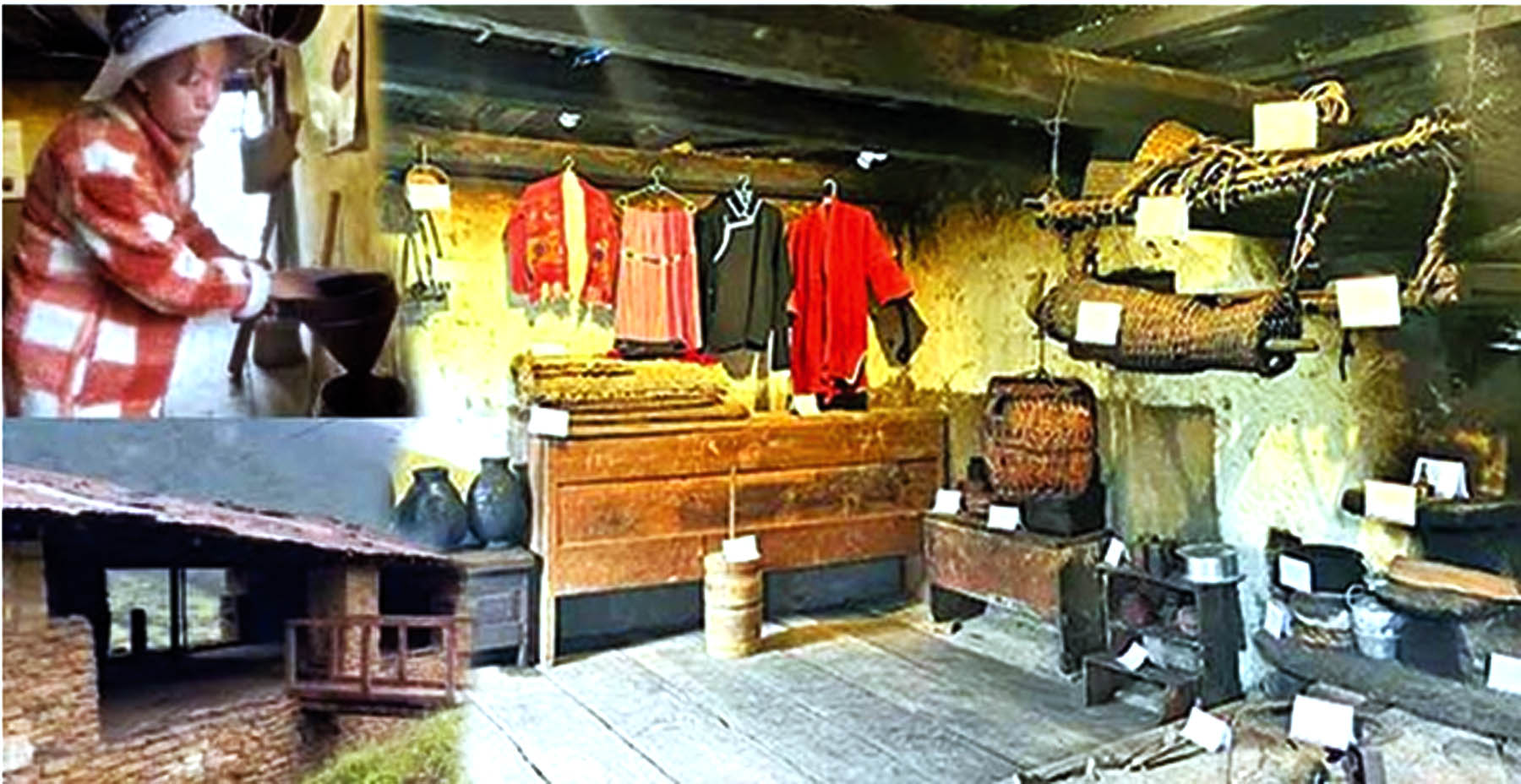
CHUG VALLEY, Mar 02: Leike Chomu, a 24-year-old of Monpa community in western Arunachal Pradesh, has breathed new life into her family’s 200-year-old ancestral house by turning it into a living museum.
The museum, which showcases the community’s heritage, is not just a collection of artifacts but a testament to the Monpa way of life, preserved through the very architecture and lifestyle of the house.
Built using ancient Monpa techniques with mud and stone, the house itself is a piece of history. “It’s about keeping our cultural identity alive,” says Chomu, who has taken on the monumental task of restoring the structure, conserving artifacts, and making the space accessible to visitors. Her efforts are part of a broader initiative by WWF India to safeguard the heritage of the Monpa community, but Chomu has personally driven the project from start to finish.
The idea for the museum was born out of Chomu’s deep connection to her community’s traditions and her desire to preserve them in the face of rapid modernization. “I wanted to safeguard Monpa knowledge and everyday practices before they fade away,” she explains. Rather than creating a conventional museum that simply displays artifacts, Chomu’s initiative allows visitors to experience how the Monpa people lived centuries ago, offering an immersive journey into their history and lifestyle.
Launched on October 05.10.24, the museum has quickly garnered attention from tourists and culture enthusiasts. Visitors are often struck by the authenticity of the experience, with many describing it as a rare opportunity to step back in time. “They appreciate that the museum isn’t just about objects but the house itself, its architecture, and the stories it holds,” Chomu says. Some even report feeling a deep connection to Monpa heritage as they walk through the house.
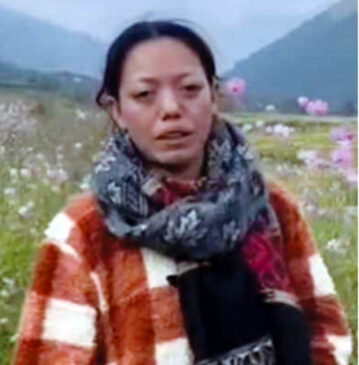
Chomu, originally from Chug Valley in Dirang, holds a BSc in agriculture and has a background in agroecology. Her passion for preserving the culture of her people is rooted in her family’s longstanding ties to agriculture and local traditions. “This project is not just about preserving history but about keeping our cultural identity alive for future generations,” she says.
However, the journey hasn’t been without challenges. Restoring and maintaining a 200-year-old structure while keeping it authentic required immense effort, as well as convincing community elders of the importance of showcasing their heritage.
The museum is yet to receive financial support from the GoAP and Chomu hopes future assistance will help sustain and expand the museum.
Chomu is managing the museum now through personal efforts, with initial funding provided by WWF India. She remains committed to continuous improvements and envisions the museum becoming a cultural hub that allows visitors to actively engage with Monpa heritage. Plans for the future include storytelling sessions with community elders, a library dedicated to Monpa history and folklore, and eco-tourism initiatives that promote traditional hospitality and provide rest areas for visitors.
Chomu also plans to collaborate with local artisans and researchers to document and promote indigenous craftsmanship. Additionally, she hopes to create employment opportunities for local women through various museum activities, such as handicrafts, storytelling, and hospitality services.
“My ultimate goal is to make the museum a self-sustaining heritage site that preserves Monpa culture while empowering the local community,” Chomu explains. Through cultural tourism and skill development, she hopes to ensure that Monpa traditions not only survive but thrive for future generations.
Unlike conventional museums that display artifacts behind glass, this living museum offers visitors a chance to experience history by stepping into a real Monpa household, where traditions are still alive and practiced. “Everything inside -the utensils, carpets, tools, and textiles – is still arranged and used as it was in the past,” Chomu adds. “Visitors don’t just see history; they experience it.”


 20
