
By Pradeep Kumar
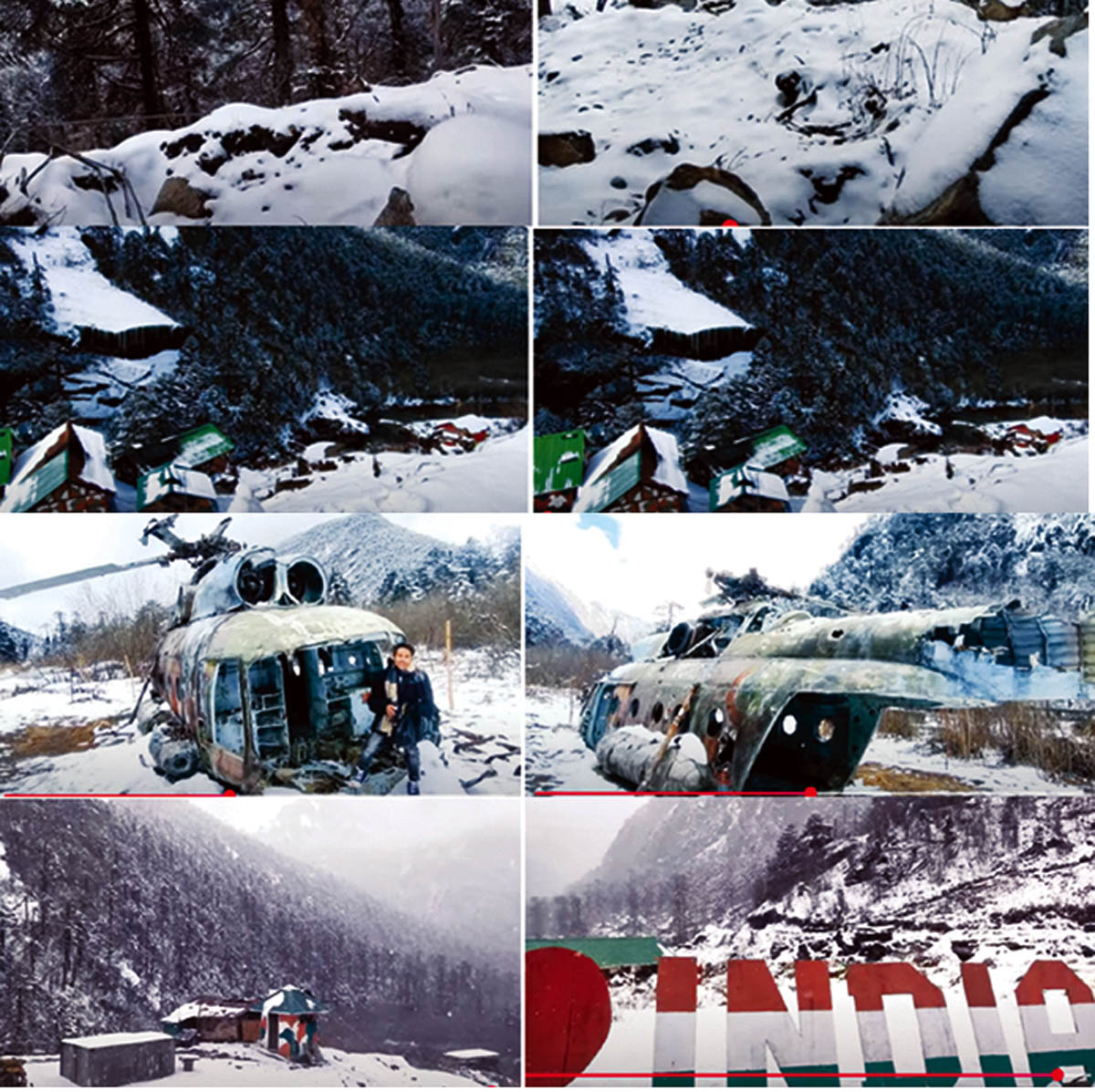
ITANAGAR, Mar 09: Lamang village in Anjaw district, located in the northeastern tip of India, 12-km away from China and Myanmar border, known for its beautiful landscape, transforms into a magical wonderland especially during winter as shown in the picture including a damaged helicopter used during the 1962 Indo-China War. The district is known for its rich wildlife, including rare species like Mishmi takin, Mishmi Hills Giant Flying Squirrel, Sclater’s monal and rare pine species Pinus.
Lamang Pass, situated near Mechuka, is a high-altitude mountain pass that offers breathtaking views of the surrounding Himalayan landscape. Situated at an altitude of approximately 15,420 feet above sea level, but tourists are allowed till the 4th gate of 13000 ft. This Pass was witness to ferocious fighting between Indian and Chinese defene forces, but tourists are allowed till 13000 ft.
The picture posted by a defence personnel on Saturday justifies its sobriquet as ‘Last Shangri La on Earth’. This Himalayan state was put on international tourism map on being adjudged as second runners-up of BBC’s travel magazine – Lonely Planet Magazine India Travel Award under ‘Emerging Destinations in India’ category awards in 2013. An expert panel had shortlisted an exhaustive 42 categories which was put to vote to worldwide readers of the famed magazine.
Shangri-La is a fictional place in Tibet’s Kunlun Mountains, described in the 1933 novel Lost Horizon by English author James Hilton, who had portrayed Shangri-La as a mystical, harmonious valley, gently guided from a lamasery, enclosed in the western end of the Kunlun Mountains.
Shangri-La has become synonymous with any earthly paradise, particularly a mythical Himalayan utopia – an enduringly happy land, isolated from the world. In the novel, the people who live in Shangri-La are almost immortal, living hundreds of years beyond the normal lifespan and only very slowly aging in appearance.
Ancient Tibetan scriptures mention existence of seven such places as Nghe-Beyul Khembalung, one of the several hidden lands similar to Shangri-La which Tibetan Buddhists believe that Padmasambhava established in 9th century CE as idyllic, sacred places of refuge for Buddhists during times of strife.
This multi-ethnic, multi-cultural and multi-lingual (about 200) state, spread in 83,743 km² area, bordering Assam and Nagaland, is a treasure trove to earn many sobriquets, like “Land of the Dawn-Lit Mountains”. “Land of Rising Sun”, “Paradise of Botanists” or “Orchid State of India” with highest over 612 documented varieties of orchid species (of India’s recorded 1,256 species, including 388 endemic species), “Land of Festivals” with each 26 major tribes and over 100 sub-tribes reflecting rich cultures and heritage through their unique festivals and mesmerizing unspoiled nature (named by me as Nilalaya) Nil- Lord Shiv & alaya-house- abode of nature’s Lod Shiva.
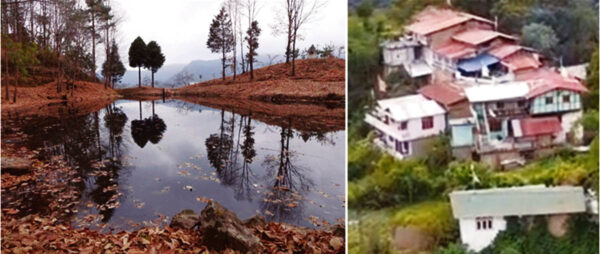
Justifying the adage ‘Diya tale andhera’ (Below earthen lamp is dark), media person Sangge Droma had produced a picture in November 2018 which looked like from a different universe.
When asked from the picture is of which country, she gave a cool smile and said: “It is from my native village Wangho, few kms ahead of West Kameng district HQs Bomdila. It was difficult to believe but “Seeing is believing”.
Arunachal’s unique culture, cuisines, art and handicrafts had turned the cynosure of all eyes, particularly among 100 international delegates from three SAARC and 10 ASEAN countries at India’s first three-day International Tourism Mart (ITM) held at Guwahati in January 2013. That was why Tawang was chosen to host 2nd edition of ITM.
Though Sela Pass located at 13,700 feet above the sea level and Tama Chung Chung ridge where subedar Jaswant Singh and rifleman Shere Thapa respectively had shown their brevity during 1962 Chinese war and Pangateng Tso Lake in Tawang district are awe-inspiring for their natural beauty but Wangho village is exceptional.
“The trees near by a lake have no impact of season as its leaves never fall”, said Droma and pinpointed that the state Govt giving priority to boost state’s high potential tourism sector should identify all such places. Tourists from within and outside India would flow once such places are identified and projected.
Why don’t you visit yourself to see and enjoy the serene natural beauty of Wangho village, she had quipped?
Wangho village is only tips of an iceberg. If surveyed, many such queue aspects of Arunachal Pradesh would surface to woo tourists.
‘Similarly, Chief Minister Pema Khandu, who is very digital savvy, had posted a beautiful video of Beghar village of state’s Tawang district on X.
Khandu, one of the most active politicians on social media, keeps on giving regular updates to his followers on X and the content that he shares goes viral in no time. On 30.09.22, he had shared a magnificent view of Beghar village, originally captured by Dukhum Magu.
The clip showed the lush green landscape of the village that looked absolutely breathtaking. After watching the footage, anyone would like to visit the villaage.
“It’s Beghar village in Tawang. So green and magnificent! Great are the people who take pride in taking care of their village so well. Beghar is a must-visit destination. Join #DekhoApnaPradesh campaign and enjoy the beauty and diversity of our sweet #Arunachal,” Pema Khandu wrote in the caption.


 20

