
From Our Correspondent
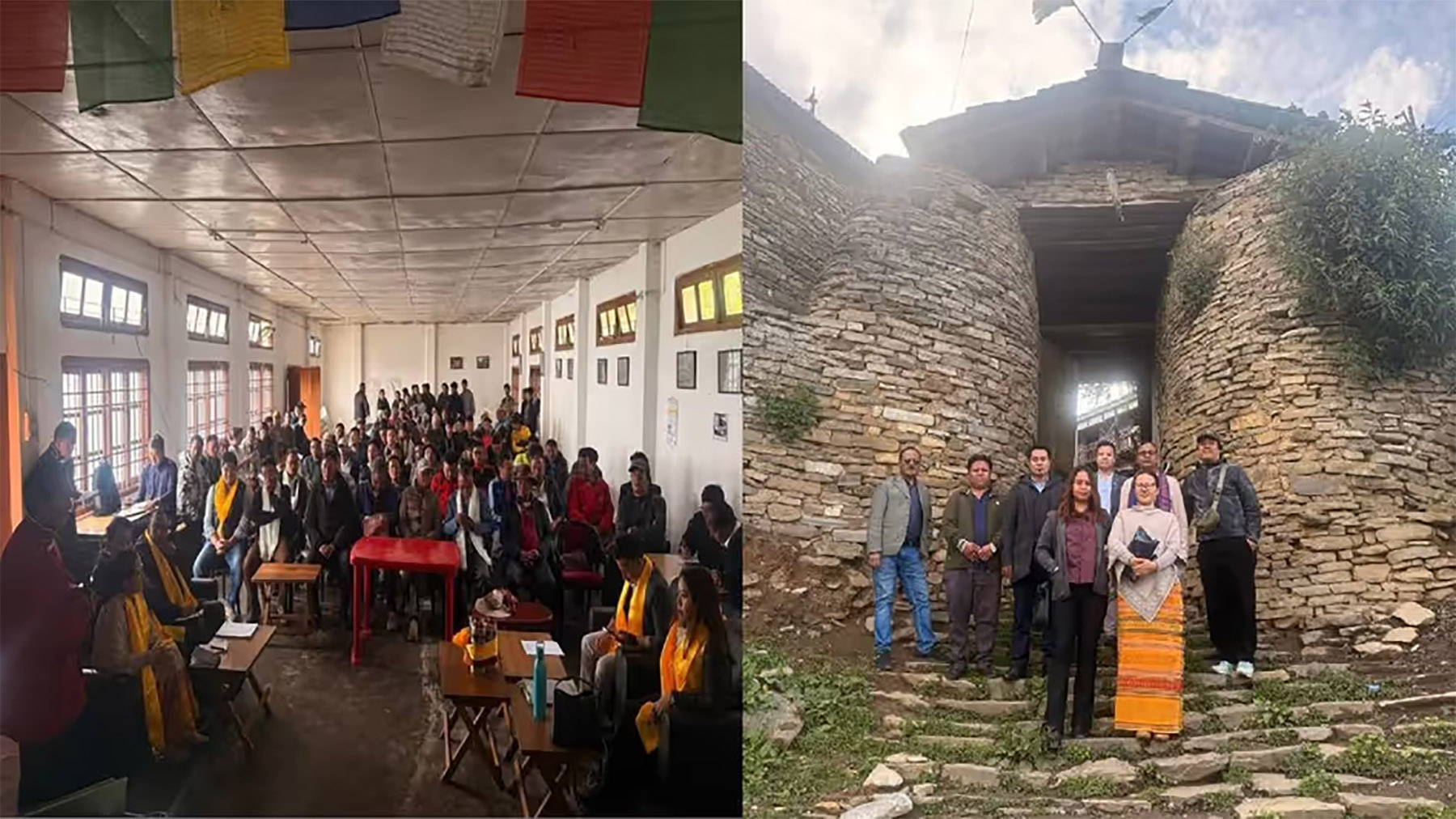
BOMDILA, May 22: In a significant step towards the conservation and recognition of Thembang Fortified Village, a public meeting-cum-hearing was held under the chairmanship of additional deputy commissioner Choiki Dondup to discuss preparatory measures for the village’s inclusion in the UNESCO World Heritage list.
Thembang, located in West Kameng district, is currently on the final tentative list of UNESCO World Heritage Sites. The meeting focused on the formulation of a comprehensive site management plan and infrastructural readiness for heritage conservation.
Chairing the gathering, ADC Dondup urged the local consultative committee (LCC) to develop a detailed master plan in coordination with state’s Research Department, ensuring compliance with heritage preservation norms. He also stressed importance of maintaining ecological balance by discouraging illegal tree felling and upholding cleanliness across the village.
Dondup assured villagers that implementation of proposed projects would be carried out with full transparency with high-quality standard. The administration addressed a wide range of public queries, offering clarity and inclusiveness in the development process.
Research Department deputy director Bultan Dutta presented an in-depth overview of the comprehensive site management plan, using visual aids to address community doubts and lay out a roadmap for sustainable implementation. He also proposed the formation of a local-level heritage cell to facilitate smoother coordination.
Other dignitaries Research Department assistant director Radhe Yampi, Thembang circle officer Moyir Kato, ZPM Jam Tsering, PRI members, senior leaders, and stakeholders present gave suggestions and feedback.
Nestled at an altitude of 2,169 meters, Thembang Dzong is situated about 55-km northeast of district HQs Bomdila. Surrounded by snow-capped peaks, steep gorges and cascading Dirang River, Thembang reflects the cultural soul of Monpa community. The fortified settlement, spanning roughly 3.2 acres, is regarded by locals as a living monument, notable for its traditional architecture and historical significance.
The Dzong features two gates—north and south—constructed using indigenous Monpa techniques, including composite stone masonry and woodwork. Decorative features such as carved stone blocks, mani walls, murals and ancient manuscripts add to its historic charm.
Home to the Dirkhipa clan, the village comprises 42 households and a population of around 250. All dwellings follow traditional architectural patterns. Property ownership is communally managed through the village panchayat, a practice rooted in the Buddhist ethos predominant in the region.
Excavations by Research Department archaeological section have uncovered significant prehistoric artifacts, including Neolithic Celts, tools, and Stone Age axes, further cementing Thembang’s archaeological and cultural worth.
As the push for UNESCO recognition gains momentum, the Thembang community, along with local authorities and heritage experts, is laying the groundwork for preserving this unique Himalayan legacy for future generations.


 20
