
- 12 companies polluters in Indian Himalayan Region::IMI
NEW DELHI, Aug 09: The Himalayan Cleanup 2025 has put the spotlight on Himalayan waste crisis and a call to action against plastic pollution. THC waste and brand audit insights becomes more pertinent at a time when global treaty negotiations to end plastic pollution is on. It highlights the need to have a vulnerable areas approach to the plastic waste crisis while adopting a complete life cycle perspective with producers taking responsibility as well as intersecting it with food and nutrition security, climate and biodiversity crisis.
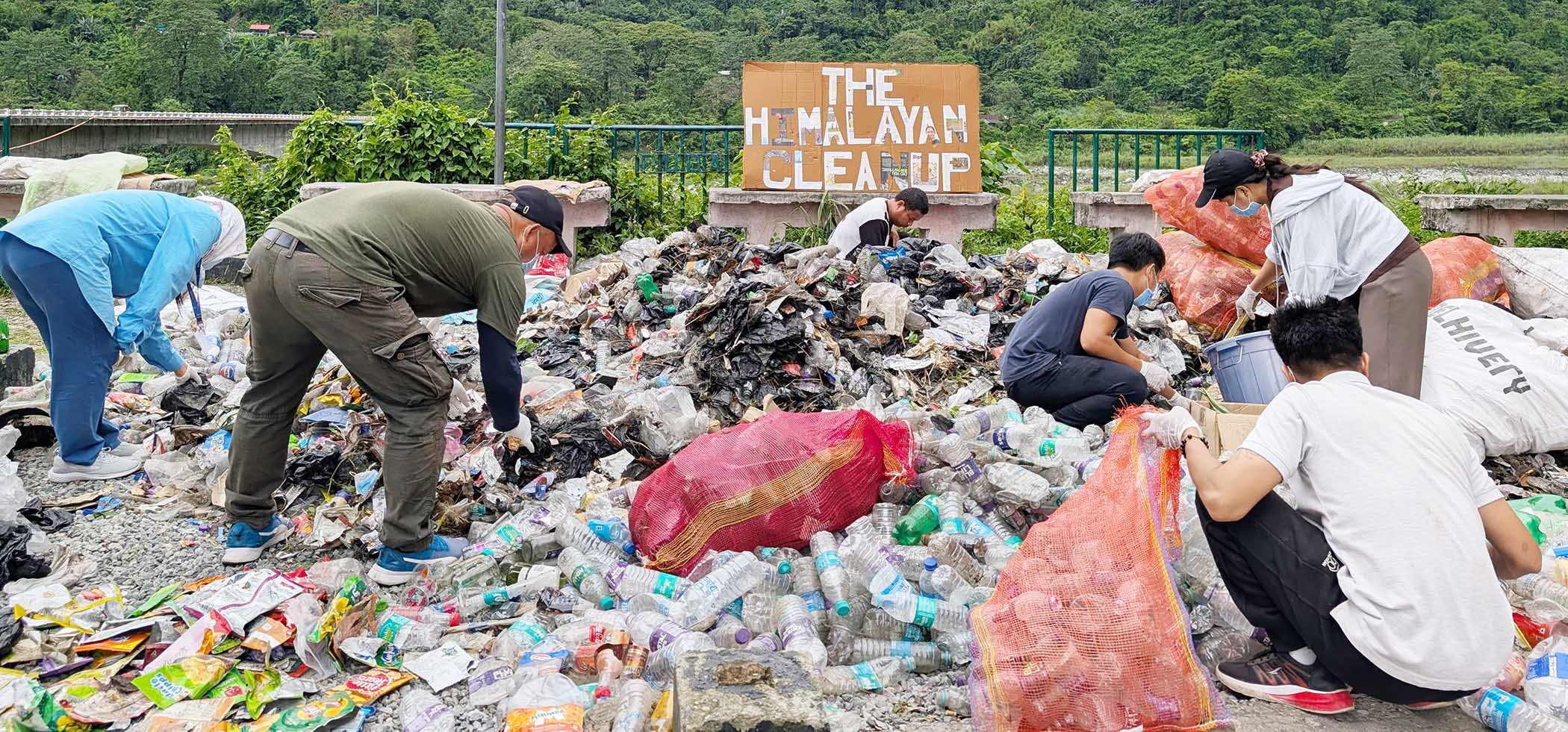
PepsiCo, Coco-Cola, Kaisha Industries, Natural water Industries, Parle, Vinayaka Industries, Hornbill Industries, ITC, CG Foods, Perfetti Van Melle were revealed as the top 10 polluters of the Indian Himalayan Region for 2025 at a webinar ‘The Himalayan Cleanup Speaks: Insights to Action’ – Zero Waste Himalaya Day on August 8. The top polluters were identified through THC audits were conducted across eight mountain states in which 12,500 volunteers cleaned 148 sites and audited 2,17,854 plastic waste collected.
Zero Waste Himalaya & Integrated Mountain Initiative (IMI) have been anchoring THC since 2018, with a waste and brand audit to name companies that pollute the Himalaya and call them out to take responsibility for their plastic waste including designing out of the system.
The call is also for the extended producer responsibility rule implementation with targeted focus for the Himalaya that recognizes the importance and fragility of the landscape.
The webinar’s context setting highlighted existing policies and practices are not sensitive and sufficient to respond to the Himalayan waste crisis and that there was a need to acknowledge the socio-ecological importance, fragility and challenges of the Himalaya. The need to shift the solution narrative beyond the broom, bin, landfill, burn and roll it downhill and to towards systemic solutions was stressed.
The presentation on findings of THC 2025 by Zero Waste Himalaya member Priya Shrestha said that 2,17,854 plastic waste collected was 93% of total waste collected. 47% of the plastic waste collected was non-recyclable, thus challenging recycling as a complete solution. There has been a dramatic reduction in non-recyclable plastic collected in THC2025 compared to past six years that needs a deeper trends analysis. 53% of plastic waste collected was recyclable and shows that the mountains are struggling with collecting and linking recyclable plastics for processing, she said.
Food packaging was consistently highest trashed item at 93% of all plastics that shows the continued trend in the consumption of junk ultra-processed food and the contribution of Big Food to the Himalayan waste crisis. 52% of food packaging audited was non-recyclable which highlights the limitations of recycling as a solution. 47.5 % of the food packaging was beverage bottles and 11% of it was the energy drink Sting, which had very high consumption among students, though it was not labelled as not recommended for children, pregnant women and lactating mothers.
While Sting still topped the list, THC2025 showed an increase in the number of energy drinks. The food and waste intersect was highlighted as very concerning for mountain communities, as there is clear evidence showing that junk ultra-processed food and beverage to be the leading cause of non-communicable diseases and contributing to mental ill health.
Half of 20 companies, namely Nimoj Industries, Parshuram Packaged Drinking Water, Nestle, Fresho Beverages, LinggiLehmo Beverages, Haldirams, Pran, Dabur, Mondelez and Reliance were found top polluters in Indian Himalayan Region as found out by Himalayan Cleanup 2025. While the top global and national brands have continued their presence as top polluters, THC2025 showed a big jump of local brands and bottled water brands that calls on targeted localized actions to reduce their plastic pollution.
RK Paul Chawang, Amyaa (Arunachal Pradesh); Shirshendu S Das, Midway Journey (Assam); Kamlesh Rai, Biruwa (Darjeeling/Kalimpong); Abdul Rashid Bhatt, Kashmir University (Jammu & Kashmir); Preeti Chauhan, Little Green World (Leh Ladakh); YoyungShaiza, Enfogal (Manipur); Subhashish Dasgupta, MIMDI (Meghalaya); Mery Chakma, Mizoram Waste Solutions (Mizoram); Niksungla, Living for Environment (Nagaland) and Tshering Uden Bhutia, KCC (Sikkim) shared their key insights across Indian Himalayan Region anchoring the THC2025 in their respective states and regions.
While there is a need to look at the Himalaya with focused urgency, contextual nuances across the IHR have to be factored in too in response to the waste crisis. These reflections also committed to taking THC insights as well as the Zero Waste Himalaya movement further into their states and regions.
Representatives of GAIA and Break Free from Plastics responded to THC results and insights bringing in national, South Asia and Global perspectives. The need to go beyond the visual narrative of waste as well as end of life management issues was stressed. Curb on production and systemic changes that also ensures a just transition was shared and put into perspective with global negotiations that are underway to end plastic pollution.
Sikkim SBM MD Jigme Bhutia said that THC had been instrumental in informing local waste management strategies and hoped that the demand of EPR would lead to meaningful outcomes.
IMI President Ramesh Negi, in his closing remarks, reiterated the Himalayan agenda and called out the need for mountain sensitive policies and allocation of adequate resources. He called out a development paradigm for the Himalaya that is not extractive and polluting and congratulated the organizers and volunteers of THC for their stewardship.


 20
