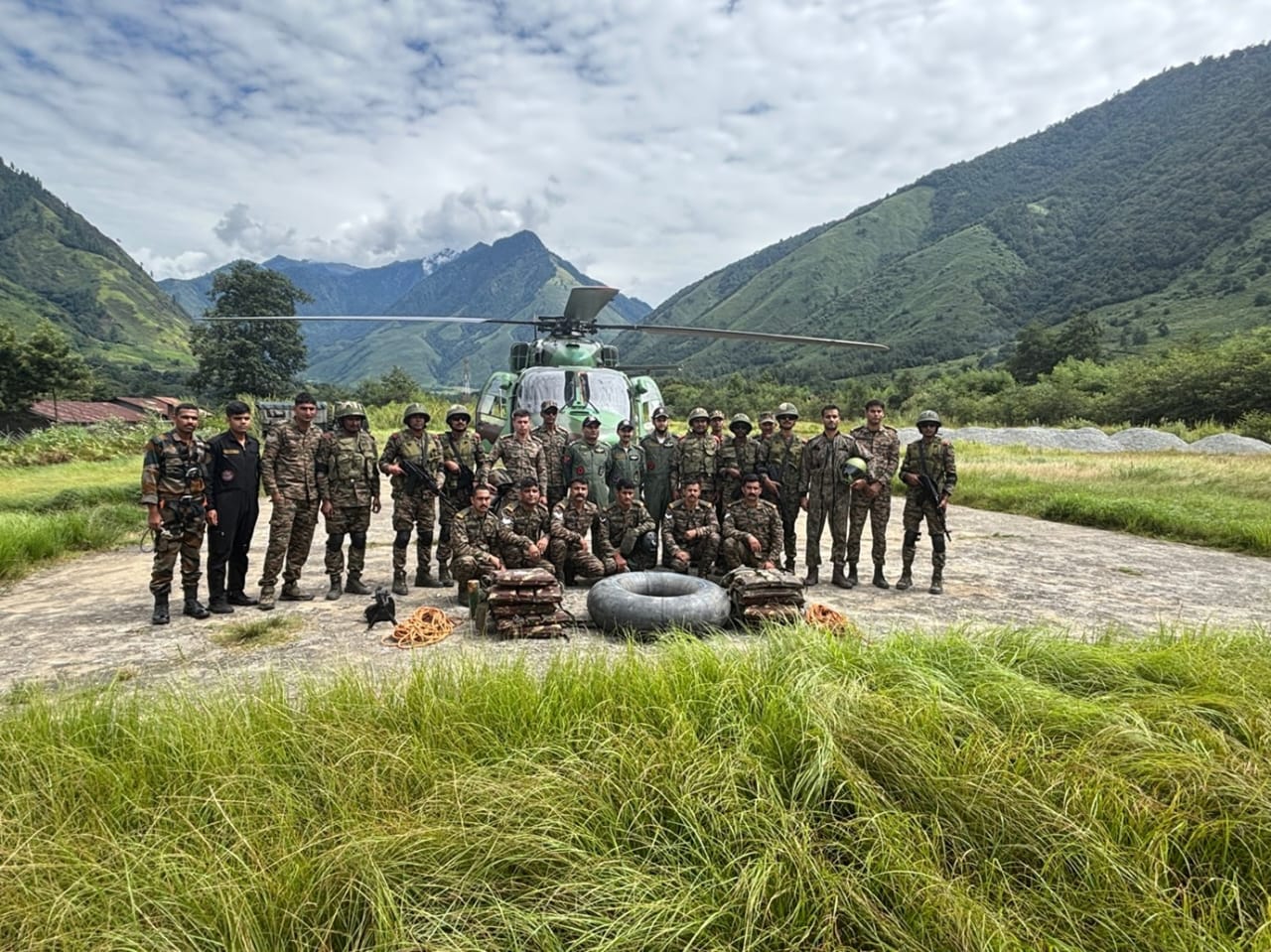
ROING, Sept 13: Indian Army’s Spear Corps conducted a high-intensity exercise – Dibang Shakti – in Dibang Valley district on Saturday to prove its preparedness to tackle unconventional threats along India’s eastern borders.
The exercise, conducted in dense jungles and steep mountains under harsh weather conditions, was aimed at testing asymmetric warfare capabilities and rapid-response readiness in extreme environments, according to Guwahati-based Defence spokesperson Lt Col Mahendra Rawat.
The troops demonstrated advanced combat skills across multiple tactical domains, including jungle warfare, survival techniques, and combat free fall operations.

The exercise demanded immense physical endurance, tactical brilliance and mental resilience as soldiers manoeuvred through uncharted terrain under simulated battlefield conditions.
Dibang Shakti highlighted Indian Army’s focus on holistic combat preparedness through seamless inter-arm coordination and the use of cutting-edge technologies. The drill reinforced the ability of Indian troops to respond swiftly to evolving threats in high-altitude and jungle warfare scenarios.
The success of the exercise not only strengthened the morale and patriotic spirit of the soldiers but also reaffirmed the Army’s motto of remaining ever-prepared. It reflected the sustained emphasis on innovation, adaptability, and operational excellence to safeguard the nation’s sovereignty.
By validating its readiness through such rigorous field exercises, Indian Army continues to inspire confidence among citizens and stands firm in its commitment to securing India’s frontiers, Rawat added in a statement.
CPR training and cleanliness drive held
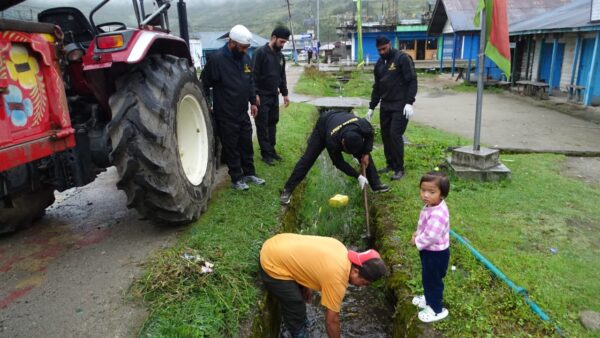
Meanwhile, Indian Army observed World First Aid Day in Shi-Yomi district on Saturday with a twin outreach initiative that combined lifesaving medical training and an environmental cleanliness drive, a defence official said.
While comprehensive first aid and CPR awareness sessions were conducted at Manigong and Menchuka, a parallel campaign on waste management and garbage disposal was launched in Menchuka, underscoring the Army’s commitment to both health security and sustainable living.
The programmes directly benefited over 200 civilians, Rawat said.
At Manigong, the Regimental Medical Officer (RMO) conducted a detailed session, which included lectures and live demonstrations of essential first-aid techniques and hands-only CPR.The outreach drew 110 participants, comprising 80 men, 18 women and 12 children.
At Menchuka, the training stressed on foundational first-aid principles and CPR familiarisation.
The RMO placed special focus on equipping civilian medical staff, village volunteers and community members with practical, step-by-step techniques to respond during the critical ‘golden hour’ before professional help arrives, the spokesperson said.
“Immediate, informed response saves lives,” the RMO stressed, adding that simple but sequential actions, checking scene safety, calling for help, controlling bleeding and administering CPR when needed, can make the difference between life and death, he added.
The Indian Army also joined hands with district tourist information office to drive home the importance of environmental hygiene through an awareness lecture and cleanliness campaign in Menchuka.
Speakers also highlighted the link between clean surroundings, tourism potential and long-term livelihoods in the high-altitude, eco-sensitive valley.
“Clean surroundings are fundamental to public health, force readiness, and sustainable tourism. Community awareness, disciplined habits, and regular drives will keep Menchuka pristine,” a representative of the local military authority said.
The Army also announced that it would support fortnightly cleanliness drives, school outreach programmes, and refresher training sessions in partnership with local institutions under Op Sadhbhavna, its flagship initiative to strengthen civil–military cooperation, Rawat added.


 20