
- APTGA’s role vital for state’s niche industry
By Staff Reporter
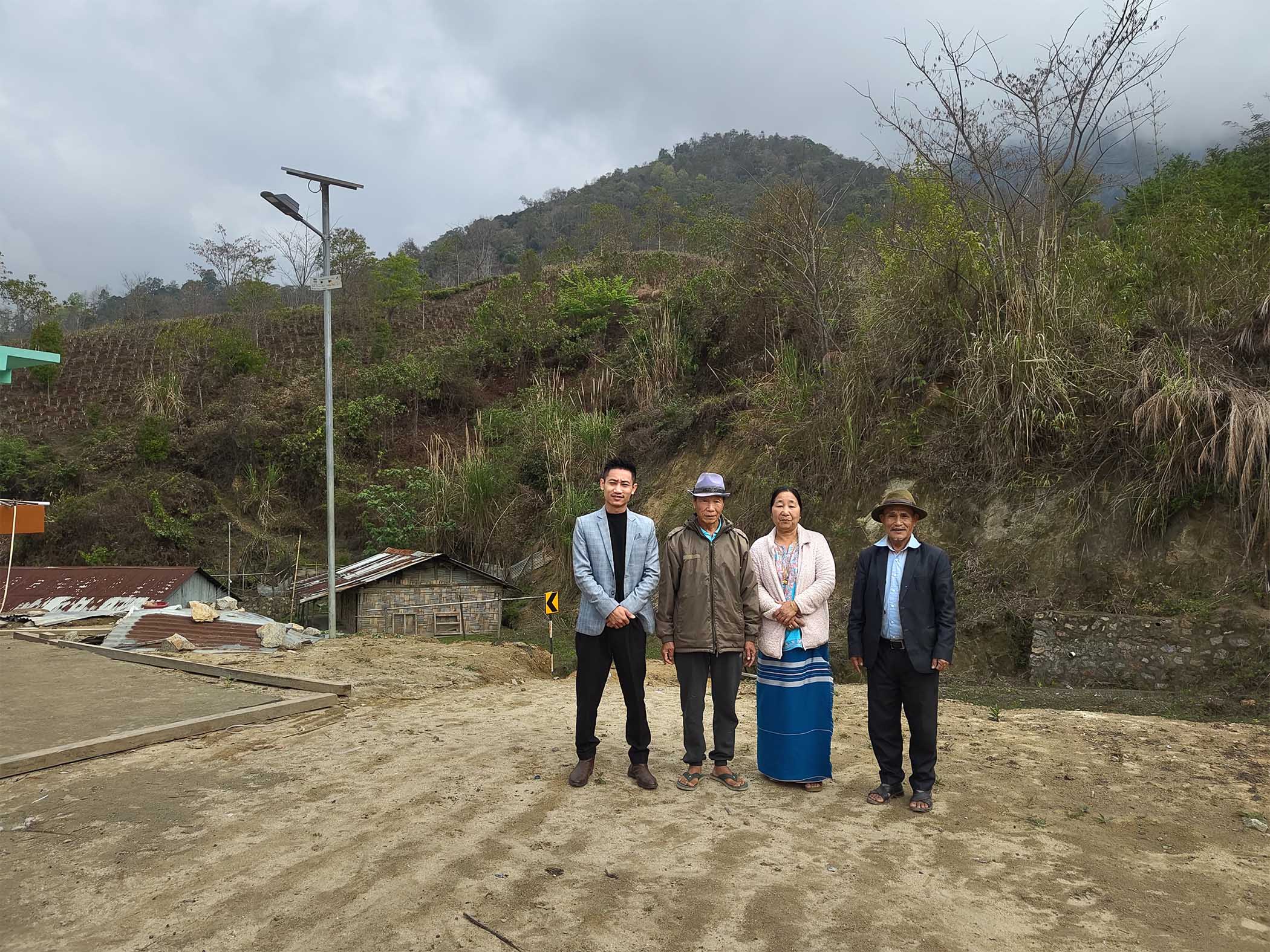
ITANAGAR, Mar 30: A team of Arunachal Pradesh Tea Growers’ Association (APTGA) led by its president Tadak Gab and general secretary Kapwang Arangham during tour to Kamle district interacted with tea growers found labour crisis in tea sector.
The APTGA, in a press statement, said that acute labour scarcity was the pressing concern as per ground assessment at Raga. Despite favourable conditions for tea cultivation and increasing interest of growers, labour crisis has emerged as a major bottleneck. Farmers said that they have been maintaining tea gardens without reliable workforce, a serious threat to productivity and long-term sustainability.
The team encouraged to adopt self-help group (SHG) model, promote group-based labour sharing and rotational work system among farmers. Emphasis was also laid on mobilizing unemployed youth of local community to create a sustainable labour pool while generating employment opportunities.
Former MLA Boa Tamo, a prominent tea grower, during in-depth discussion gave valuable insights into ground realities, operational challenges and potential solutions to strengthen the tea sector.
The APTGA would also visit other districts to develop practical strategies to support tea farmers.
AONS adds: Arunachal Pradesh tea sector of is an emerging, niche industry focused on high-quality, organic and specialty teas (orthodox, green, and white) rather than high-volume CTC production. Located primarily in Lohit and Changlang districts.
The state is known for renowned gardens, like Donyi Polo Tea Estate, established in 1985-1987 in East Siang district’s Oyan, spread in 420-hectare plantation near Siang River. Known for producing high-quality specialty teas, like Golden Needles—which fetches record prices—and purple tea, a key contributor to sustainable growth of tea sector.
The industry is largely driven by small tea growers (STGs) and emphasizes sustainability, eco-friendly branding, and, increasingly, women-led cultivation, according to World Tea News. Namchic Tea Estate in Changlangin equally popular.
Arunachal is recognized for innovation as nation’s first wild-harvested purple tea. Unlike neighboring Assam, which focuses on bulk, Arunachal concentrates on the premium, artisanal and organic market, promoting its tea through storytelling and eco-friendly branding.
Arunachal is an emerging tea-producing state, contributing approximately 0.4% to India’s total tea production. The state produces 11 to13 million kg of tea annually, primarily driven by small-scale farmers, mostly in East Siang, Lohit and Changlang districts.


 20
