
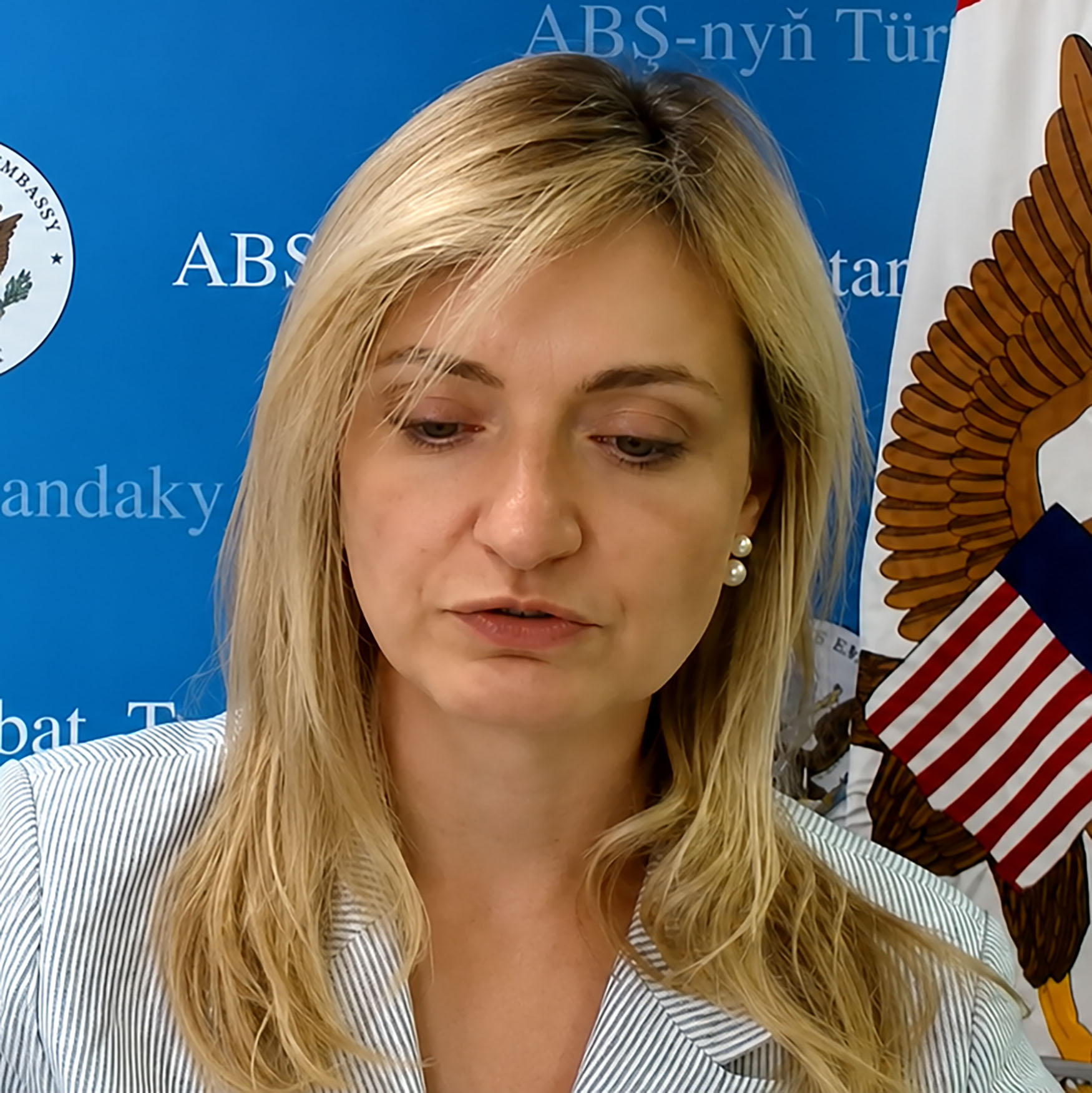
ITANAGAR, June 09: The U.S. Department of State’s London International Media Hub held an online interaction on Tuesday, joined by journalists from India, Nepal, Uzbekistan, Turkmenistan and other parts of the world for a briefing on Freedom 250 and recent diplomatic engagements of Sarah B. Rogers, United States Under Secretary of State for Public Diplomacy and Public Affairs.
The discussions centred on advancing commercial diplomacy, cultural preservation, digital freedom and innovation.
Sharing insights from her recent two-week visit across South and Central Asia, Rogers said the United States’ engagements in the region had been guided by three priorities, commercial diplomacy, preservation of cultural heritage, and strengthening connectivity through digital freedom and innovation.
Arunachal Pradesh Union of Working Journalists (APUWJ) general secretary-cum-The Arunachal Pioneer sub-editor Sonam Jelly, among the participants, questioned if media censorship and regulation of social media platforms was necessary and what challenges Govts faced in regulating online spaces.
Rogers, in her response, said the United States approached the issue from the perspective of First Amendment, which guarantees freedom of speech. She described censorship as suppression or punishment of speech by a central authority, particularly Govts, based on the viewpoints being expressed.
“I don’t think that any country needs censorship. In fact, I think we’re all much better without it,” she said, adding that free speech and free enterprise had historically contributed to innovation and technological advancement in the United States.
Rogers also acknowledged that Govts faced legitimate concerns over harmful conduct of digital spaces. Drawing a distinction between censorship and regulation, she said there could be “rules of the road” online without resorting to suppression of ideas.
Citing the recently enacted Take It Down Act in the United States, she pointed to legal safeguards available to victims of deepfakes and non-consensual intimate imagery as an example of targeted intervention aimed at addressing online harms while preserving freedom of expression.
Throughout the interaction, Rogers stressed that open information ecosystems and free speech were not merely democratic ideals but also important drivers of economic growth, entrepreneurship and innovation.
Jelly’s question reflected a growing global concern over how societies can address misinformation, deepfakes and other emerging digital challenges without compromising the fundamental principles of free expression that underpin democratic discourse.


 20
