Ramdev targets China to export Patanjali products
Well aware of the reopening of historic Stillwell road (built from Ledo in Assam to Kunming in China) during World War-II through Changlang district of Arunachal Pradesh and Pangasu Pass in Myanmar that link the South East Asian nations, Baba Ramdev’s Patanjali Group had planned to set up world’s largest botanical garden in Seijosa sub-division of East Kameng district as reported in January last.

PRI leaders, HGBs, GBs and senior citizens of Seijosa and Dissing Passo circles had wholeheartedly welcomed the move anticipating new employment avenues and income generations for villagers and unemployed youths on completion of the ambitious project.
This proposed project bodes well because of the fact that this Himalayan state, richest biogeographical province of the Himalayan zone and classified as one of the 12 biodiversity hotspot of the world is also known as Orchid State of India or Paradise of the Botanists. It boasts of large number of medicinal plants while the Apatanis living in Ziro valley of Lower Subansiri district are adept in using 158 medicinal plants.
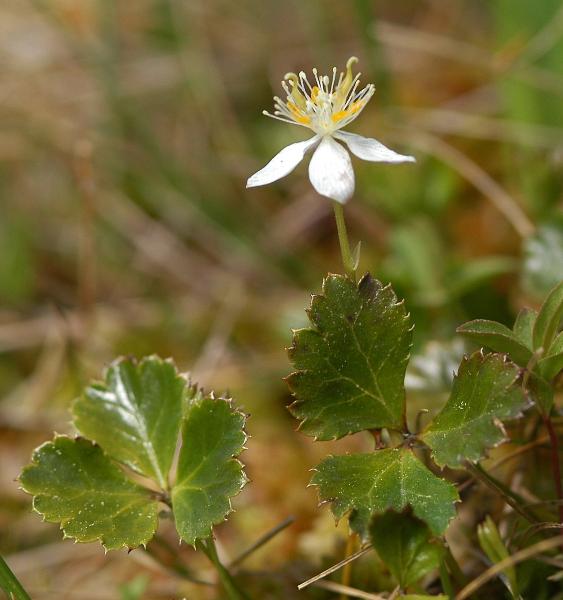
Arunachal Pradesh swears by a wonder Mishmi Teeta or Coptis Teeta, a herb that can’t be found anywhere else on earth. The bitter plant, locals claim, can cure almost anything. But when her mother Gutitun was diagnosed with cancer in 2009, Basamlu Krisikro went beyond the herb – that derives its name from her ethnic group Mishmi. She had began giving her mother a daily cup of organic green tea sourced from a niche estate near Roing town in Lower Dibang Valley district. But it wasn’t always convenient for her to travel miles to get the chemical-free beverage. So Basamlu, 39, decided to grow tea in the backyard of her house at Wakro, writes journalist Rahul Karmakar, I flashed it globally through Asia News International on 07.05.13.
A New Delhi report adds: After pushing back several multinational FMCG giants by flooding the Indian market with a wide range of consumer products, yoga guru Baba Ramdev is now taking his fight to China.
Ramdev’s Patanjali Ayurved Ltd is allying its ambitious foreign forays with the government’s ‘Act East’ policy, which aims at strengthening ties with the countries in India’s east.
Patanjali Ayurved is planning to set up a production unit in Sahibganj, a district in Jharkhand, which the central government plans to turn into a multi-modal hub with direct connectivity through roads, waterways and air with the neighbouring East-Asian countries.
“Patanjali is in talks with the Inland Waterways Authority of India and Shipping Minister Nitin Gadkari to use the Sahibganj multi-modal terminal for export of its products to East Asian countries like China, Myanmar, Bangladesh and others. By using the inland waterways, the company will save on its logistic costs for exports and the idea is to capture the East Asian market by competing on price and quality,” Mint quoted a senior central government official on condition of anonymity.
Since Sahibganj is the only district in Jharkhand where the Ganga flows, it will give Patanjali direct access to Bangladesh and Myanmar. “We are in discussion with the Jharkhand government for the industrial development of the state,” a spokesperson for Patanjali Ayurved told Mint, adding that Sahibanj was a “strategic location” for the company.
When China’s export-driven economy is slowing down, India is poised to boost its own exports to the country. China is scared of India overtaking it in manufacturing in the long term as labour costs in China are rising.
Global Times, a Chinese establishment newspaper, wrote recently in an article headlined ‘China should pay more attention to India’s increasing manufacturing competitiveness’: “Although India is still in its initial stage of developing export-oriented manufacturing industries, the country has great potential to emerge as a regional hub for labour-intensive industries. One recent analysis showed China’s manufacturing hourly wage in 2016 was roughly five times that in India.”
The trigger for the article was India’s exports to China increasing 42% in January this year. Though China has a big edge over India in bilateral trade, it wants to see if the rise in Indian exports is a flash in the pan or a trend. (Courtesy: Mint)


 20