- A state butterfly park in offing
Beyond the Horizon
By Pradeep Kumar
The scenic Kamlang Tiger Reserve (KTR) in is set for an exciting transformation with development of a nature trail and angling spot, designed to attract visitors and empower surrounding communities.
These initiatives reflect a rising trend to harmonize the growth of tourism with the conservation of rich biodiversity of Arunachal Pradesh as KTR with unique flora and fauna endemic to the region in Eastern Himalayan Biodiversity Hotspot.
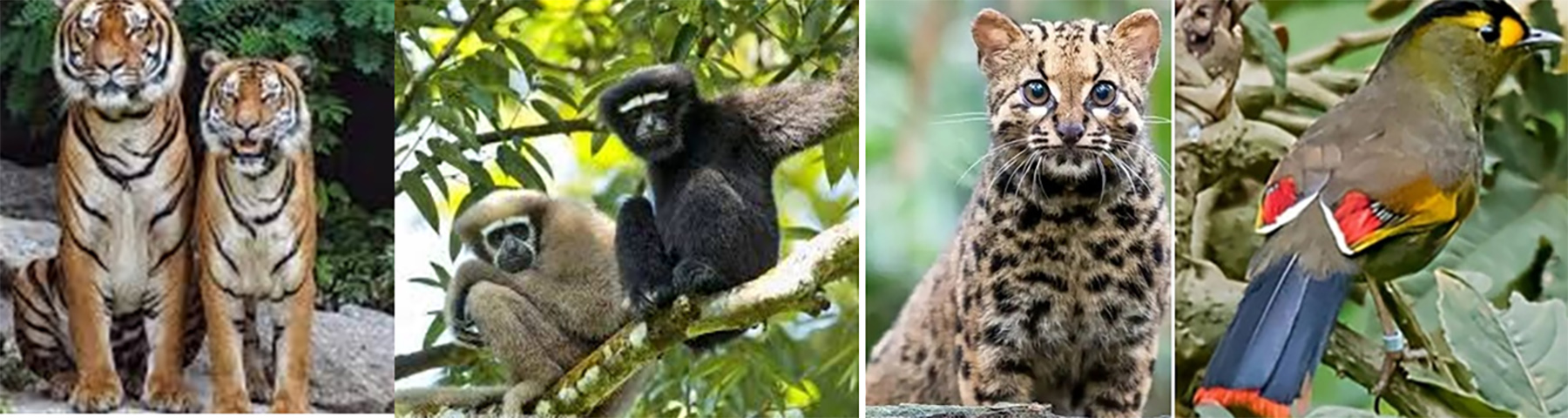
The KTR, named after Kamlang River, which flows through it, was created in 1989 as a protected area and designated as a tiger reserve in 2017. Spread in 783 sqkm (696 sqkmcore area & 87 sqkm buffer zone) in Lohit and Anjaw districts, it is known for its various feline species, Glow Lake and local Mishmi community.
It is home to Royal Bengal Tiger, Leopard, Clouded Leopard, and other cats like the Golden Cat and Marbled Cat, Hollock gibbon, elephant, and various species of deer, birds and butterflies.
Balancing tourism with ecology: Deputy Chief Minister Chowna Mein has stressed that the nature trail and angling spot will support sustainable tourism that respects the environment. These projects aim to provide visitors with immersive experiences in nature while protecting the fragile ecosystem of the tiger reserve. Moreover, there are aspirations to set up a butterfly park at a remote and suitable location within the state, highlighting the ecological importance of butterflies.
Butterflies play a crucial role in ecological balance, acting as pollinators and indicators of environmental health. Inspired by successful efforts, like Namdapha and Ziro Butterfly Meets, the planned butterfly park intends to raise awareness and promote conservation among locals and tourists alike. Youth participation has been especially noted for their enthusiasm in safeguarding biodiversity.
Community empowerment & biodiversity celebration: Local organizations, like Kamlang Valley Nature Club and groups dedicated to the butterflies of NE India, along with the Kamlang Tiger Reserve & Wildlife Sanctuary, have been pivotal in conserving the area’s natural heritage. Their ongoing commitment helps foster eco-tourism as a sustainable livelihood, where community members can benefit economically while protecting the environment.
This state boasts of an impressive record wildlife diversity, with recorded so far, and new species continue to be discovered. This wealth of biodiversity underlines the ecological importance of developing tourism carefully and responsibly.
Complementary to the eco-tourism drive, cultural and commemorative events, like Sun Rise Festival (29.12.25 to 02.01.26) proposed at Dong village that receives India’s first sunrise in Anjaw district, Walong Day marking historical remembrance and Namsai to Namti cycle expedition exemplify vibrant social fabric and heritage of the state. These festivities not only draw visitors but also strengthen community spirit.
Infrastructure enhancements, like progress of Arunachal Frontier Highway would improve connectivity and opennew avenues for eco-tourism to boost local economic growth. This boost will make the area more accessible for travellers, fishing enthusiasts and nature lovers, potentially integrating well with taxi and transfer services for seamless travel experiences.
These developments create promising prospects for visitors seeking authentic nature experiences. For those relying on transfer services to reach such remote destinations, platforms like GetTransfer.com offer an edge by letting them preselect vehicles tailored to their needs—whether a private car or even a limousine—with visible details like make, model and driver ratings beforehand, ensuring peace of mind.
Travelers venturing to KTR can look forward to combining thrilling wildlife encounters with opportunities, like angling, hiking, and butterfly watching. On arrival and within surrounding cities or airports, having access to reliable transfer services is a bonus, ensuring that the journey matches the excitement of the destination.Although the global impact of this particular development may be localized, but it reflects a broader shift towards responsible tourism practices.
The vast tourism potential of the state got a new thrust after the GoAP led by Chief Minister Pema Khandu adopted2021 Pakke Tiger Reserve Declaration, which focuses on climate action and resilience.
As impacts of climate change are visible, the strategy seeks to balance conservation with economic growth by integrating indigenous wisdom and traditional practices with modern conservation techniques.A dedicated cell in CMO has been set up to monitor its implementation.
Moreover, Arunachal Pradesh State Biodiversity Strategy and Action Plan: A People’s Plan wasadopted and launched in March 2025 to protect wildlife through community-led initiatives and alignment with national goals. This plan, provides specific, localized action points to empower communities and districts in managing their environment and aims to achieve the targets set by the Pakke Declaration. It was developed in collaboration with the WWF-India and includes district-level action plans.


 20