By A O News Service
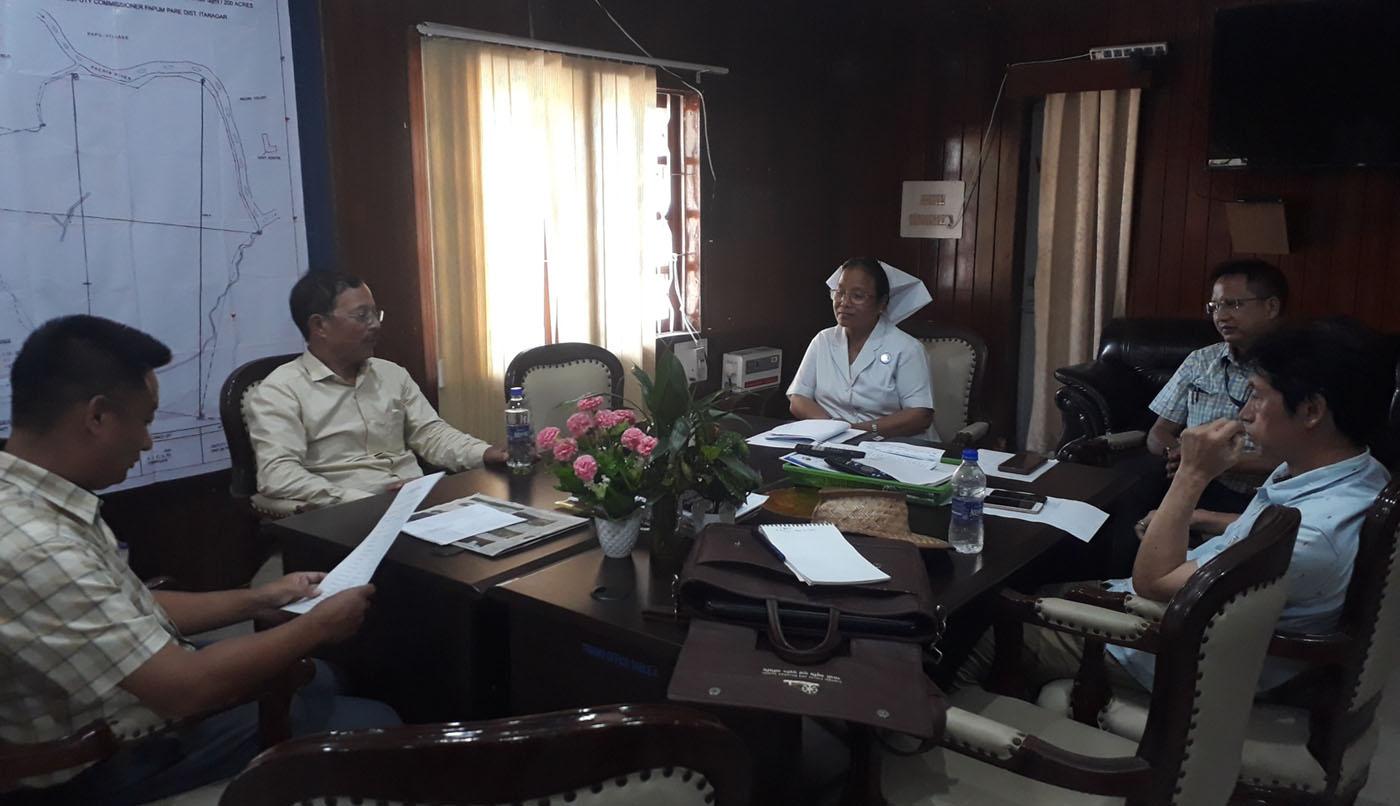
NAHARLAGUN, Aug 16: Tomo Riba Institute of Health Medical Science (TRIHMS) will make its 25-beded intensive care unit (ICU) functional soon as decided in a meeting chaired by its director Dr Moji Jini here on Friday.
Dr Jini underscored the importance of ICU, also known as an intensive therapy unit or intensive treatment unit (ITU) or critical care unit (CCU), as a special department of a hospital or health care facility that provides intensive treatment to patients with life-threatening illnesses and injuries, while having threadbare discussion with TRIHMS chief medical superintendent Dr Hage Ambing, his deputy Dr Taw Kaki, cardiology assistant Prof Dr Megaji Rinjin and matron Tun Tun Taikam.
Pointing out that initially the ICU will have five beds but a physician and two nurses should remain on duty round-the-clock, Dr Jini said that any critically ill patients admitted would require constant care, close supervision of life support equipment and medication to ensure normal body functions.
Though all sophisticated equipments have been in place but the TRIHMS has acute shortage of nurses. However, many nurses being transferred here from various parts of the state would ensure making the ICU functional, he said.
The ICU will be made a separate department later, he said, adding the doctors of any hospital have sole responsibility of the patients not only in medication but also constant monitoring of health status of such critical patients.
Hundreds of patients approaching regularly for treatment while 163 indoor patients are in hospital now for which ICU will be boon, said Dr Ambing while Dr Rinjin said three nurses will be required.
Insisting on proper use of medicines, surgical items and other allied medical products which have been made available due to constant support of present GoAP, Dr Jini said and called upon all staff to avoid any wastage besides ensuing cleanliness of the hospital campus. The formal engagement of 30 sanitary staffs since August 2 last though less but should bring a difference in cleanliness of the campus, Dr Jini added.
The sanitary staffs with their efforts have brought visible changes, Dr Kaki informed.
History: Florence Nightingale left for the Crimean War in 1854 where triage was used to separate seriously wounded soldiers from the non-life-threatening conditions. However, she had reported reduced mortality from 40% to 2% in the battlefield. Her experiences on the importance of sanitary conditions in hospitals during the war had laid the foundation for a critical component of intensive care. Anesthesiologist Peter Safer in 1950 evolved the concept of “Advanced life support”, keeping patients sedated and ventilated in an intensive care environment. Safar is considered to be the first practitioner of intensive care medicine as a specialty.
However, Bjorn Aage Ibsen set up the first intensive care unit in Copenhagen in 1953 in response to a polio epidemic where many patients required constant ventilation and surveillance.
Surgeon William Mosenthal applied this idea first in the United States in 1955 at Dartmouth-Hitchcock Medical Centre. In 1960s, the importance of cardiac arrhythmias as a source of morbidity and mortality in myocardial infarctions (heart attacks) was recognized. This led to routine use of cardiac monitoring in ICUs, especially after heart attacks.


 20