By Pradeep Kumar
Health conscious has become buzz word of 20th century which seemingly is yet to reach Arunachal Pradesh state capital, particularly Naharlagun, which had temporarily housed North East Frontier Agency capital when shifted from Shillong in 1974.
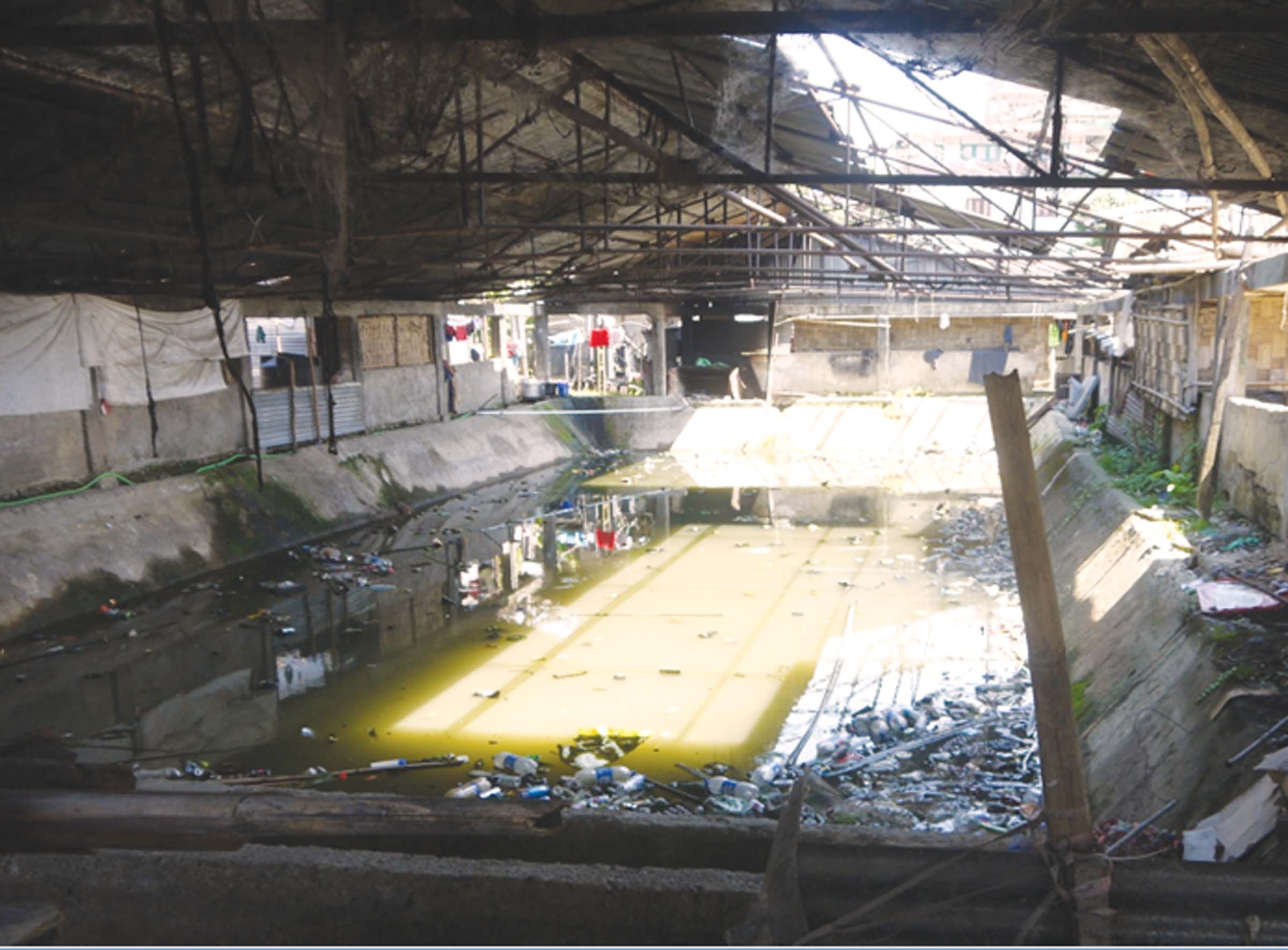
Realizing the ground reality of the rhyme – water … water everywhere not a single drop to drink! – Public Works Department (PWD) had then constructed a huge RCC water tank in Naharlagun G-Extension with a strong iron grill frame covered with CGI sheets and boundary wall. It was used for sedimentation process with a pump to supply potable water to then Naharlagun residents, who included lieutenant governor, ministers, MLAs and top bureaucrats, police officers and engineers.
The state capital was shifted permanently to Itanagar in 1978 in an area spread approximately in 200 sqkm. The Public Health Engineering Department (PHED), bifurcated from PWD in 1995, got charge of the same location, set up its revenue collection and inquiry office there besides palling to build another overhead tank.
Naharlagun, part of Capital Complex, now boasts of state’s health directorate; National Health Mission office; lone medical college (Tomo Riba Institute of Health and Medical Science); offices of PWD, administration and what not!
The original RCC water tank, probably 10-feet deep, remained useful for few years before it was totally abandoned to become a breeding ground of numerous diseases with stinking garbage in accumulated dirty water. But located in an isolated place it never drew the attention of those who matter though pump house is still in use.
When health sector finds in top agenda of present state government, the past government no exception either, why and how the disease breeding ground failed to draw the attention of those who matter is a million dollar question.
The water tank became useless of course because of record breaking achievements of PHED, like tapping water from Niroch stream in hill top, where I had reached by walking down 3.5-km from Niroch village on 11th October 2012 with PHED SE Toko Jytoi and EE Tadar Mangku in pitch dark night.
The 80 mtr of 300 mm dia doctile iron pipeline, main water supply feeder pipeline for Naharlagun and Nirjuli residents, was washed away by massive landslide on 04.10.12. And hundred-odd labourers were working on war footing to clear about 160m3 debris around 10 pm next day, under the light of a DG set.
If the common adage ‘seeing is believing’ is true, one has to undertake the risky foot march to reach the spot to understand jivanki falsafa.
Moreover, the PHED also tapped water from Mehi stream, a tributary of Poma River, about 30-km from Itanagar in high hills, which also I have visited repeatedly. The department had also engaged elephants to lift 300 mm dia doctile iron pipes to a hill top to supply water to East Kameng district headquarters Seppa, which was video-graphed by state’s first electronic journalist Rup Jyoti Pater.


 20