
By Joken Ete
For every drop of water you waste, you must know that somewhere on earth someone is desperately looking for a drop of water! – Mehmet Murat ildan
Water will be major natural resource issue globally in 21st century as people have been facing immense problems to have access to water.
In Arunachal, Ziro Valley, without a major river, many would face acute water crisis in future. Lack of rivers and rivulets has resulted in over-dependence on clay river system.
Picturesque Ziro Valley in Lower Subansiri district, surrounded by lush green hills on all sides, is inhabited by the Apatani tribe. The valley spread in about 1,100 sqkm, of which about 40 sqkm is under cultivation. This tribe over the centuries has perfected to live with nature in harmony. One of the most important aspects of the valley is judicious utilization of its limited land resources.
Agriculture is the mainstay of most of the people in Apatani plateau. But the farmers mostly suffer for want of water sources. Moreover, there is improper utilization of scare resource due to pollution and ever-growing needs of teeming millions resulting in loss of water resources.
With its colossal water resources notwithstanding, Arunachal Pradesh has been dismal in its utilization. With over hundreds of big and small rivers, the state should have been able to utilize them for its growth and development. A proper policy and practice for water utilization is the need of the hour to secure the future.
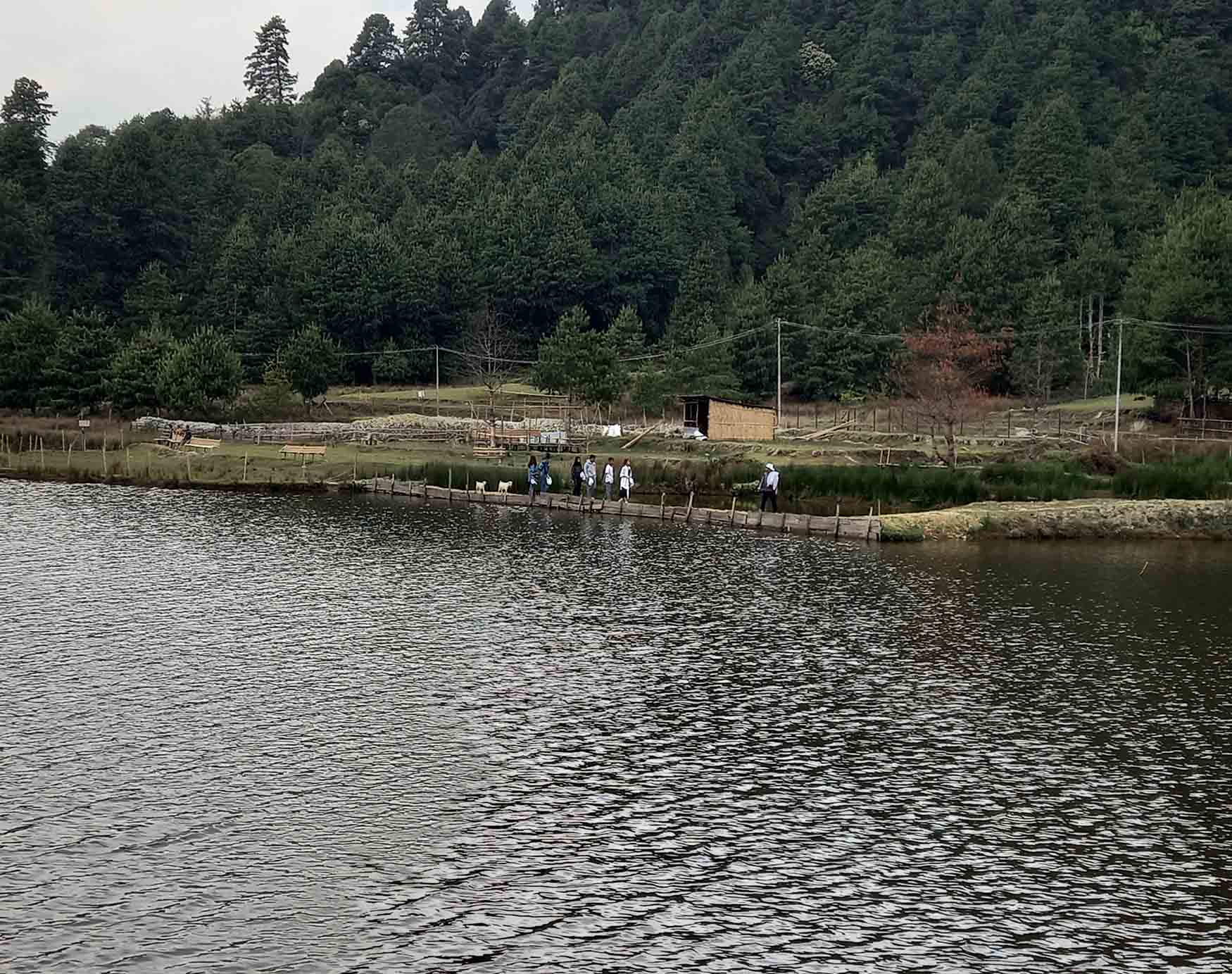
 A conservation effort: Siikhe Lake, a manmade lake, was created over two years ago. The state Govt is making all efforts to replicate this pilot project in 13 districts of the state, including West Kameng, East Kameng, West Siang, Siang, Lower Dibang Valley, Dibang Valley, Changlang, etc. for which schemes with fund have been announced in last budget.
This project of water resources department (WRD) has integrated livelihood concerns with all economic and environmental protection activities. It would not only provide sustainable livelihood options to the people but also helpe in water conservation in the parched Ziro Valley.
The WRD and Ziro-based M/s Siikhe Multipurpose Cooperative Society have jointly started a water conservation project on Siikhe stream, one of the major tributaries of Cley River system. Siikhe contributes about 20% of total flow of Cley River, with a flow of about 1 cumec during lean season.
With many rivers and rivulets across the state are drying up, water conservation has become imperative as the possibility of facing acute drinking water shortage soon cannot be ruled out.
Siikhe, spread over an area of 75,160 sqmtr, located few kms from Ziro, is an ideal place and all its activities are in tune with National Action Plan for Climate Change (NAPCC), State Action Plan for Climate Change (SAPCC) and National Water Mission (NWM) and offering recreational, tourism, fisheries, irrigation and domestic water supply services. Moreover, the project is aligned to ‘Catch the Rain’ under Jal Shakti Abhiyaan launched by Prime Minister Narendra Modi recently.
The project has been built at an estimated cost of Rs 450 lakh under State Annual Development Agenda (SADA) with Rs 250 lakh proposed for its upkeep and maintenance. The construction works begun in September 2017 and completed in January 2019. The length of the embankment is 165 metres with a crest width of 10 metres.
The earthen dam, having a reservoir with 1,20,000 cubic metres capacity, has created irrigation facility for 50 hectares spread over a catchment area of 8.50 sqkm. The lake is not only intelligible to common man but also a sustainable venture for 90-odd families who have donated the barren land for this novel project.
The area was highly vulnerable to water scarcity which had forced the farmers to give up agriculture. The highlands for centuries have been used to social forestry while use low-lying flatland to cultivate paddy, millet and fish.
This traditionally systematic land use pattern ensures conservation of biodiversity, including crucial watersheds, perennial streams flowing into lone Cley River system to meet the needs of the people. The project has brought tangible improvement in livelihoods. Wedged in the midst of greenery and villages and just a few kilometres from the Ziro-Daporijo road, the lake is a testament to resilience between men and nature.
The blue skies, the emerald green water, the forests and the slight breeze give one goose bumps. It’s a perfect trip to the valley’s most sought-after retreat. Once here, one can be with the incredible nature in its finest glory. The climate is pleasant throughout the year, which makes this place worthy of visit at any time of the year.
Siikhe – a blessing: Lakes, natural or manmade, have many purposes, including fishing, transportation, recreation, irrigation, etc. They not only enrich the flow of rivers but replenish the groundwater, enhance natural beauty, moderate the climate of surrounding area, preserve biodiversity and ease the impact of flood or drought by storing water in large amounts. They also provide habitats to aquatic and semi-aquatic plants and animals, which in turn provide food to other animals.
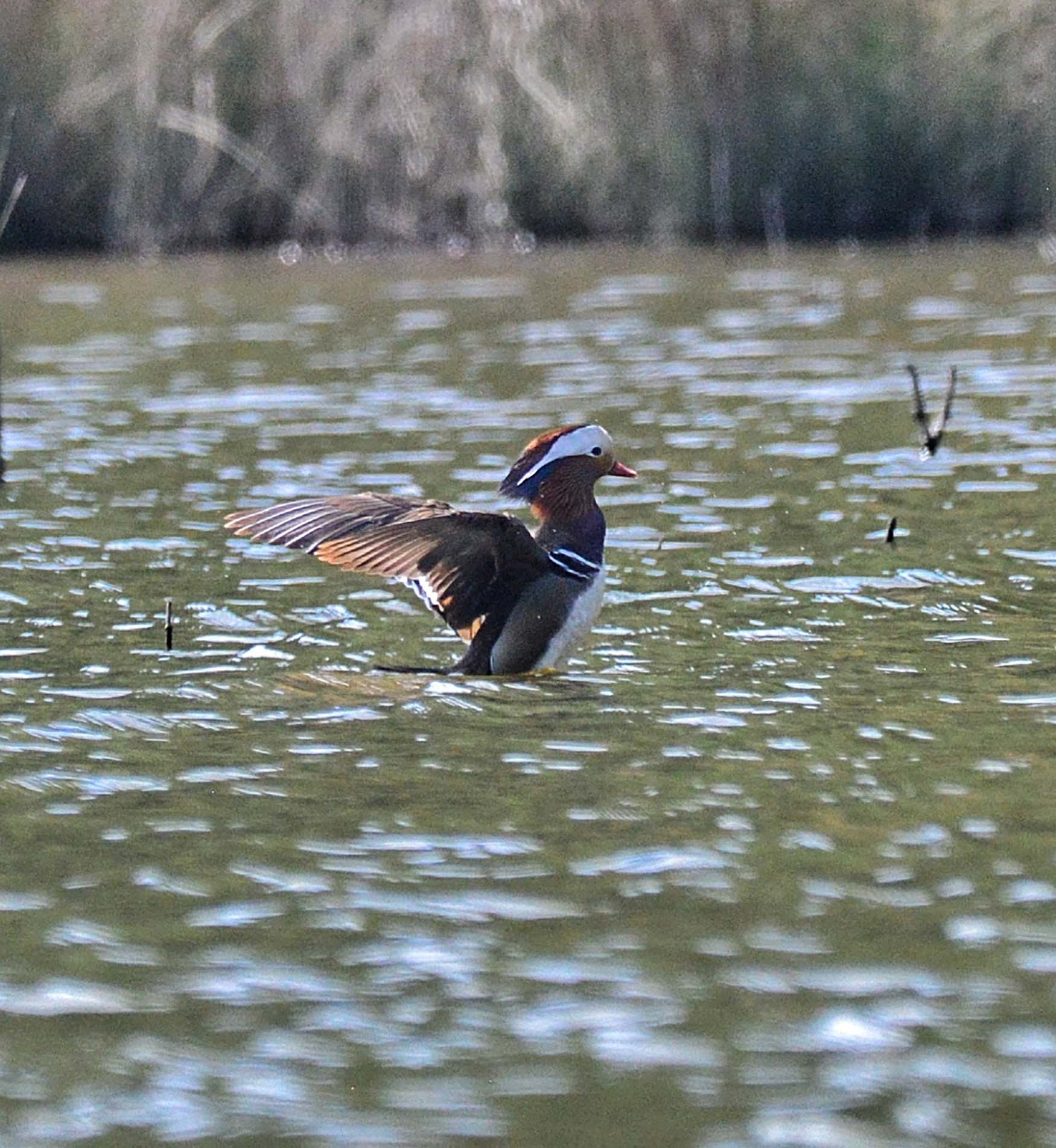
Haven for migratory birds: The lake this year turned into a haven for migratory birds, including Mandarin & Ferruginou ducks, Mallard, Northern Pintail, Gadwall, Northern Shoveler, Tufted duck, Greater Scaup, Common Pochard, Garganey, Common Teal, Greylag Goose, etc.
The arrival of migratory birds is cucial in sustaining the ecosystem as they help in understanding the ecological health of an area followed making conservation planning.
“As a community, we must ensure that the habitats of migratory birds are not disturbed and they are allowed to be in their natural environment,” said, Ziro resident Taru Abin, adding “proper conservation of the lake is crucial for survival of migratory birds.” The lake has been main attraction or tourists, he said.
The lake has augmented water resources of the valley, said Hapoli forest division DFO Abhinav Kumar. The tourists earlier used to flock into Ziro valley and Talle Wildlife Sanctuary for cultural and festival tourism. But, Siikhe has become an added attraction. The migratory birds are also attracting tourists from around the world.
The wetland has become a valuable natural space as one won’t find wetlands in places at an altitude of 1200 metre or more above sea level, Kumar said. Although the area is filled with pine trees, the moisture will help in further greening of the area, he said.
The lake will also help in mitigating climate change, he said, adding “we should try to preserve them as they are important for survival of other species.
“The lake has served as home to many avian friends which has made Siikhe a most sought-after spot in Ziro Valley,” photographer Koj Mama said.
Expressing concern over cutting of trees for firewood and timber in lake vicinity, Mama said it should be stopped immediately as pine trees surrounding the lake give an aesthetic look.
Lakes help in replenishing the groundwater level as they are essential receptors of groundwater recharge and in turn influence water quality of downstream and preserve biodiversity and habitat of the surrounding area. Thus, conserving water for irrigation and recreational purposes would be a boon for water deficit Ziro in future.
Besides enlightening the community on water conservation method, the value-added components of the project, like fish-rearing (pisciculture), with an estimated annual fish production of 18 tonnes, will immensely benefit 90-odd families.
“In the first fish reared in the lake were harvested almost after 7 months in March 2020 and sold in open market for around Rs 1.80 lakh, society’s treasurer Nani Tadi said. adding the society had earned Rs 31.90 lakh last year.
He said that most of the income was from entry tickets for boating and picnicking. Additionally, the project has provided employment opportunities to unemployed youths. The society has engaged five staff, including a supervisor, a boatman, a sweeper and two gatekeepers, he disclosed.
Future course: Tadi, however, favoured planting more trees and laying footpaths around the lake and the bird nesting platforms.He also demanded that the channel of the lake should be expanded for irrigation. Around 28 hectares are being irrigated now.
“The area under irrigation coverage could be increased, to benefit maximum farmers having paddy fields downstream,” he added.
Another project on the anvil: Happy with the success of Siikhe Water Conservation Project (SWCP), another project is coming up in the valley. The WRD is coming up with Sii Lake project at Biirii as part of SWCP.
The way forward: Biodiversity is declining faster than at any time in history to the point that it will affect our current and future prosperity, according to a study in United Kingdom.
Amid the pandemic, the perils of climate change and biodiversity loss has taken a back seat. We Arunachalese are complacent about the loss of green space and biodiversity. We, as people, don’t seem to realize that our rich biodiversity is under increased pressure of development.
In our state, people take greenery for granted and think everything is fine who need serious rethinking. It’s time to realize that nature has intrinsic value for human beings as a whole for which the sensitive habitat should be preserved and not left to fragment. It is time to reflect and take action for our rich biodiversity before it’s lost.


 20
